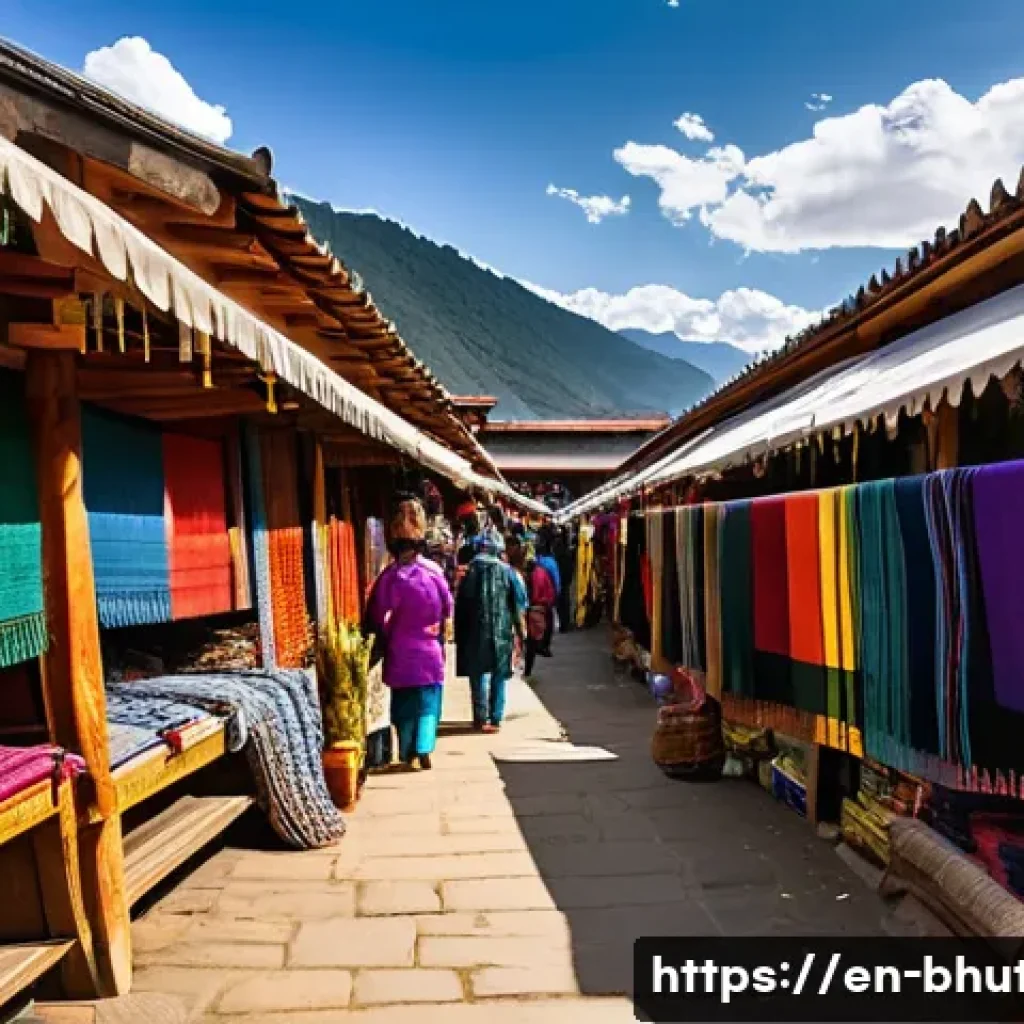
Exploring Bhutan’s unique shopping scene is like stepping into a world where tradition meets craftsmanship at every corner. From vibrant handwoven textiles to intricate handmade crafts, the markets here offer more than just souvenirs—they’re a window into Bhutanese culture.
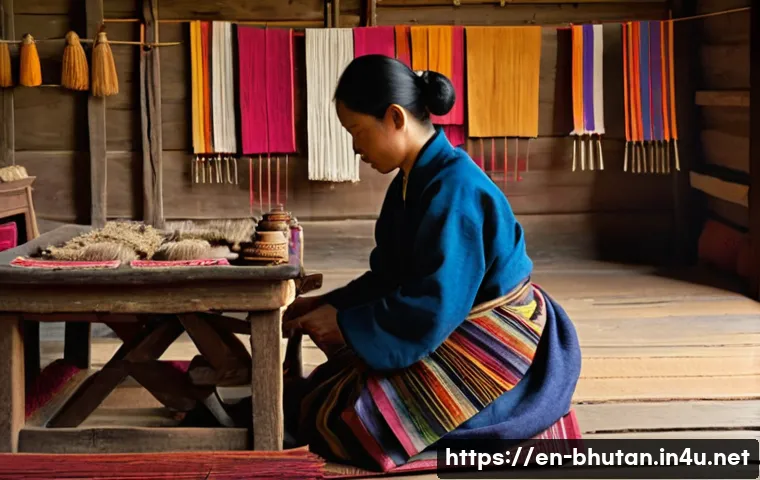
Navigating local shops can be a delightful adventure, especially if you know how to engage with sellers and spot authentic goods. Plus, understanding the best times to shop and where to find hidden gems can make your experience truly rewarding.
Whether you’re hunting for the perfect gift or a keepsake to remember your journey, a little insider knowledge goes a long way. Let’s dive into the details and discover how to shop smartly in Bhutan!
Discovering Authentic Bhutanese Handicrafts
Identifying Genuine Textiles and Fabrics
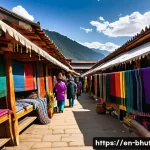
When you walk into a Bhutanese market, the first thing that catches your eye is the vibrant array of handwoven textiles. These fabrics aren’t just colorful; each piece tells a story woven from generations of craftsmanship.
To truly appreciate what you’re buying, it helps to know a bit about the materials and patterns. Genuine Bhutanese textiles are usually made from silk or cotton and feature traditional motifs like dragons, flowers, or geometric shapes.
I’ve noticed that authentic pieces have a certain weight and texture—lighter, more delicate fabrics might be machine-made imitations. Also, feel free to ask the seller about the weaving process; most artisans are proud to share their craft’s history, and that’s often a good sign of authenticity.
Spotting Quality Handmade Crafts
Beyond textiles, Bhutan’s markets are brimming with wood carvings, paper products, and metalwork, each crafted with meticulous care. When browsing these items, look closely at the details—handmade goods will have subtle imperfections that add character, unlike the uniformity you get from mass production.
I once bought a small wooden mask, and the seller pointed out the hand-chiseled grooves that make it one-of-a-kind. Don’t hesitate to handle the items gently to feel the craftsmanship.
Talking to vendors about their techniques often reveals fascinating insights and builds a connection that can lead to better prices or even custom orders.
Engaging with Sellers to Enhance Your Experience
Bhutanese sellers are generally warm and welcoming, but approaching them with genuine curiosity makes the interaction even more rewarding. I’ve found that starting with a smile and a few polite phrases like “Kuzuzangpo la” (hello) breaks the ice instantly.
Ask about the origin of the items or the stories behind their designs; most sellers appreciate when buyers show interest beyond just the price. This kind of engagement not only enriches your shopping trip but can also lead to insider tips on where to find rarer pieces.
Remember, bargaining is common but should be done respectfully—think of it as a friendly conversation rather than a contest.
Timing Your Shopping Trips for the Best Finds
Exploring Markets During Local Festivals
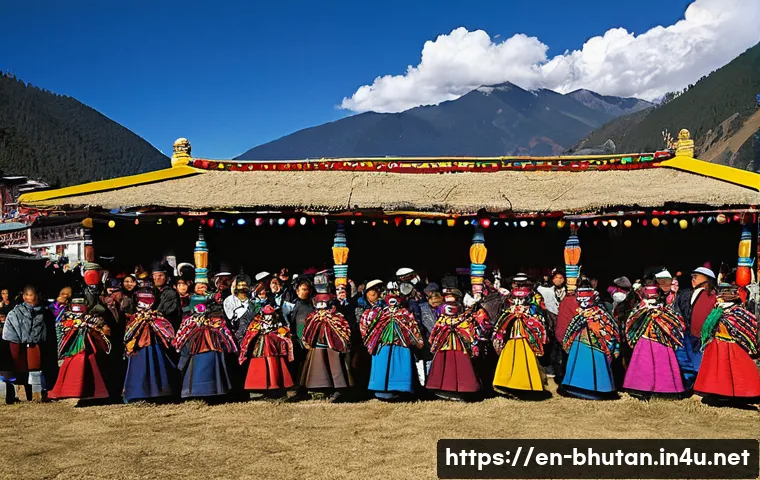
Shopping in Bhutan during festivals offers a unique opportunity to experience the culture in full bloom. Markets swell with special crafts, rare textiles, and festival-specific souvenirs that you won’t find any other time of the year.
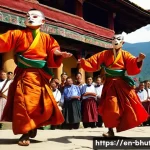
For example, during the Paro Tsechu or Thimphu Tshechu festivals, artisans bring out their finest works, and the atmosphere is electric. I recall visiting during the Paro festival and stumbling upon a stall selling intricately painted masks used in traditional dances—items that usually stay within families.
If you can plan your trip around these dates, you’ll catch the market at its most vibrant and authentic.
Weekday Mornings vs. Weekend Crowds
If you prefer a quieter shopping experience, early weekday mornings are your best bet. Shops are freshly stocked, and the pace is more relaxed, allowing you to take your time inspecting items and chatting with vendors.
On weekends, especially in towns like Thimphu, markets can get crowded with tourists and locals alike, which sometimes makes bargaining or getting detailed stories trickier.
Personally, I enjoy the weekday vibe because it feels more intimate, and sellers are often more willing to demonstrate their crafts or talk about their heritage.
Seasonal Availability of Goods
Certain crafts and textiles are seasonal due to the availability of materials or traditional production cycles. For instance, winter months often see more wool-based products like thick scarves and blankets, while spring and summer bring lighter silks and cottons.
Wood carvings and paper crafts, however, tend to be available year-round. Being aware of these cycles helps you plan your purchases better—if you want a warm yak wool shawl, visiting in the colder months means fresher stock and possibly better deals.
Where to Find Hidden Shopping Treasures
Exploring Local Artisan Workshops
Beyond the bustling markets, some of the most rewarding shopping experiences come from visiting artisan workshops tucked away in smaller villages or side streets.
These places often don’t advertise widely, so you’ll need a bit of local guidance or luck to discover them. I once took a detour in Punakha and found a family-run weaving workshop where I got to see the entire process from spinning yarn to dyeing and weaving.
Buying directly from these workshops not only supports the artists more directly but also guarantees authenticity and unique items.
Checking Out Government-Run Craft Emporiums
Bhutan’s government operates several craft emporiums designed to promote traditional arts and ensure fair prices for artisans. These shops are excellent for those who want assurance of quality and authenticity, backed by official certification.
I visited one in Thimphu where the staff were incredibly knowledgeable and even offered demonstrations. Prices here might be slightly higher than street markets, but the experience and quality make it worth it, especially if you’re looking for gifts that carry cultural significance.
Venturing Off the Beaten Path in Smaller Towns
While Thimphu and Paro are the main hubs, smaller towns like Bumthang or Haa have charming markets with crafts unique to their regions. These places are less touristy, which means you’ll often find more competitive prices and a more relaxed shopping atmosphere.
When I visited Bumthang, I discovered a beautiful collection of local paper products made from Daphne plants, a specialty of the area. Exploring these towns can add an adventurous dimension to your shopping, allowing you to collect pieces that are truly rare.
Mastering the Art of Bargaining with Bhutanese Flair
Understanding Local Bargaining Etiquette
Bargaining in Bhutan is not just about price but also about respect and relationship-building. From my experience, it’s important to approach negotiations with warmth and patience rather than aggression.
Sellers expect some haggling, but they also value honesty and politeness. I’ve found that complimenting the craftsmanship before discussing price often softens the conversation.
Avoid lowball offers that might offend; instead, start with a reasonable price and meet somewhere in the middle. Remember, a smile and good humor go a long way.
When to Accept a Fixed Price
Some shops, especially government emporiums and high-end boutiques, have fixed pricing to ensure fair pay for artisans. Trying to bargain here can feel awkward or disrespectful.
I’ve learned to recognize these places quickly by observing signage or simply asking upfront if prices are negotiable. Accepting fixed prices in these settings not only shows respect for the system but also guarantees that your money directly supports the craftspeople.
Using Currency and Payment Tips
Bhutanese Ngultrum (BTN) is the local currency, and most shops accept cash only, so it’s wise to carry sufficient notes. While some tourist-centric places might accept Indian Rupees, it’s best to use Ngultrum to avoid confusion.
I always keep small bills handy for easier transactions and tipping. Credit cards are rarely accepted outside of big hotels or emporiums, so planning ahead saves hassle.
Also, be prepared to count your change carefully, as busy markets can be chaotic.
Essential Packing Tips for Shopping in Bhutan
Choosing the Right Luggage for Fragile Items
Shopping in Bhutan often means picking up delicate handicrafts like hand-painted masks, woven scarves, or wooden carvings. I’ve learned the hard way that a sturdy, hard-shell suitcase with ample padding is a must.
Soft bags can easily crush fragile items, and bubble wrap or clothing used as padding can save your treasures from damage during transit. If you plan to buy bulky textiles, consider packing a foldable bag that can expand to accommodate your finds without squashing them.
Preparing for Weather and Storage
Bhutan’s weather can be quite variable, especially if you’re visiting mountainous areas. If you’re buying textiles or paper crafts, keeping them dry is crucial.
I usually bring along waterproof bags or plastic covers to protect my purchases while exploring. Also, keep in mind that some items, like wood or paper, might be sensitive to humidity, so try to store them in a dry place once back at your accommodation.
Customs and Import Considerations
Before buying larger or more valuable items, it’s a good idea to research customs regulations for your home country. Some Bhutanese crafts, especially those made from animal products like yak wool, might have restrictions.
When I purchased a beautiful yak wool blanket, I checked with my airline and customs beforehand to avoid surprises. Carry receipts and be ready to declare your purchases if asked, ensuring a smooth journey home.
Comparing Popular Shopping Spots in Bhutan
| Shopping Spot | Specialty | Atmosphere | Price Range | Best Time to Visit |
|---|---|---|---|---|
| Thimphu Weekend Market | Fresh produce, textiles, local crafts | Busy, lively, authentic local vibe | Budget-friendly to mid-range | Saturday mornings |
| Paro Market | Handwoven scarves, traditional masks | Tourist-friendly, vibrant | Mid-range | Festival seasons and weekdays |
| Craft Emporium (Thimphu) | Certified Bhutanese crafts | Organized, calm | Mid to high-end | Year-round |
| Bumthang Local Market | Papermaking, regional textiles | Quiet, less touristy | Budget to mid-range | Weekdays |
| Punakha Artisan Workshops | Wood carvings, handwoven fabrics | Intimate, personal | Varies | Year-round |
글을 마치며
Exploring Bhutanese handicrafts is more than just shopping—it’s a journey into the heart of a rich cultural heritage. From vibrant textiles to intricate wood carvings, every item reflects the dedication and skill of local artisans. By engaging thoughtfully with sellers and timing your visits wisely, you can uncover truly authentic treasures. Whether you’re a casual buyer or a passionate collector, Bhutan’s markets and workshops offer an unforgettable experience that connects you to tradition and craftsmanship.
알아두면 쓸모 있는 정보
1. Always carry sufficient Bhutanese Ngultrum in cash, as many vendors do not accept cards or foreign currency.
2. Visiting markets during local festivals offers access to rare and special edition crafts not available year-round.
3. Weekday mornings are ideal for a relaxed shopping experience with more personalized vendor interactions.
4. Packing fragile items in sturdy, padded luggage can prevent damage during travel and preserve your purchases.
5. Respectful bargaining, combined with genuine interest in the craft, often leads to better prices and memorable connections.
중요 사항 정리
When shopping for Bhutanese crafts, prioritize authenticity by learning about traditional materials and patterns. Engage warmly with artisans to enrich your experience and ensure fair pricing. Plan your visits according to festival seasons or quieter weekdays for the best selection and atmosphere. Prepare for cash payments and fragile item transport to avoid inconvenience. Above all, approach bargaining as a respectful dialogue that honors the artisans’ skills and cultural heritage.
Frequently Asked Questions (FAQ) 📖
Q: How can I be sure that the handmade crafts I buy in Bhutan are authentic and not mass-produced?
A: When shopping for handmade crafts in Bhutan, the key is to look closely at the details. Authentic Bhutanese items often show slight imperfections and unique touches that come from being handwoven or handcrafted.
Don’t hesitate to ask the sellers about the materials used and the process behind the craft—locals usually take pride in their work and love sharing stories.
Also, purchasing directly from artisans or trusted local markets, rather than big tourist shops, increases your chances of getting genuine products. I’ve found that building a friendly rapport with sellers helps uncover the true origins of the items.
Q: What’s the best time of year or day to shop in Bhutan’s markets to get the best deals and avoid crowds?
A: From my experience, shopping in Bhutan early in the morning is a fantastic way to avoid crowds and get first pick of fresh goods and textiles. Weekdays tend to be quieter than weekends, especially outside of major festivals.
If you time your visit around local festivals like Paro Tshechu, you might find special market stalls with unique handicrafts, but expect more tourists and higher prices.
For better deals, try late afternoons when sellers might be more willing to negotiate before closing. Patience and a relaxed approach really pay off here.
Q: Are there any specific souvenirs or crafts unique to Bhutan that I should definitely look for?
A: Absolutely! Bhutan is famous for its vibrant handwoven textiles, especially the kira (women’s dress) and gho (men’s robe) fabrics, which feature intricate patterns using traditional weaving techniques.
You’ll also want to check out handmade paper products made from local Daphne bark, known for their durability and natural beauty. Wood carvings, masks used in traditional dances, and prayer flags are other authentic keepsakes that embody Bhutanese culture.
Personally, I picked up a small hand-carved wooden bowl that instantly reminded me of Bhutan’s rich artistry every time I see it at home.