Unveiling the Secrets of Bhutan’s Sacred Dances

webmaster

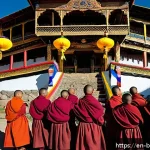
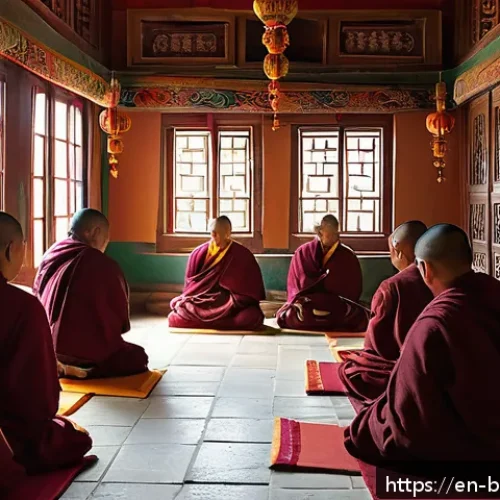
부탄 전통 춤 - **Prompt:** A dynamic, eye-level shot of three Bhutanese monks performing the "Drametse Nga Cham" (m...

Hey everyone! If you’re anything like me, you’ve probably dreamt of discovering places that feel truly untouched, where ancient traditions don’t just exist but thrive with breathtaking vitality.

부탄 전통 춤 관련 이미지 1

My own adventure to the mystical Kingdom of Bhutan completely swept me off my feet, and one of the most unforgettable treasures I stumbled upon was their incredible traditional dance.

It wasn’t just a performance; it was a profound spiritual journey, a vibrant tapestry woven with centuries of history, folklore, and deeply held beliefs.

Watching the dancers, adorned in their magnificent costumes, move with such grace and precision, you can’t help but feel a powerful connection to a culture that values happiness and spiritual harmony above all else.

In a world where so many unique traditions are slowly fading, Bhutan’s commitment to preserving these living art forms is truly inspiring and offers an unparalleled glimpse into the heart of their nation.

Trust me, the sheer energy and storytelling in each movement will captivate your soul, reminding you of the beauty that lies in embracing authentic cultural expressions.

Ready to uncover the fascinating stories and hidden meanings behind these spectacular dances? Let’s dive deep into the enchanting world of Bhutanese traditional dance and discover what makes it so truly special.

Unveiling the Soul of Bhutan: More Than Just Steps

My journey into the heart of Bhutan was truly transformative, and honestly, the traditional dances were a massive part of what made it so unforgettable.

You see, when I first heard about “traditional dance,” I probably imagined something beautiful but maybe a bit formal, like a stage performance you politely appreciate.

But in Bhutan? Oh no, it’s a completely different vibe! These dances are living, breathing narratives, not just about entertainment but about history, spirituality, and the very soul of the nation.

I remember standing there, completely mesmerized, as the rhythmic drums began to beat, and the vibrant costumes swirled. It wasn’t just watching; it felt like I was being drawn into a story unfolding before my eyes, a story passed down through generations, brimming with profound meaning and an energy that vibrated right through me.

The sheer dedication and the way every single movement, every gesture, spoke volumes without a single word, was something that truly moved me. It’s an immersive experience that challenges your perceptions of what performance can be, making you realize that some traditions aren’t just preserved; they are lived with every fiber of a community’s being.

It genuinely felt like a privilege to witness such an authentic expression of culture, something that, in our fast-paced world, often gets diluted or commercialized.

The Deep Cultural Tapestry

What truly struck me, experiencing these dances firsthand, was how deeply woven they are into the fabric of Bhutanese life. It’s not just for tourists, though tourists like me are certainly welcomed with open arms.

These dances are for the people, by the people, a communal celebration and an act of devotion. They reflect the values, beliefs, and the entire worldview of a society that prioritizes happiness and spiritual harmony.

I could feel the collective reverence in the air, the shared understanding of the stories being told through movement. It makes you think about how our own cultures express identity, and whether we’ve lost some of that raw, visceral connection to our heritage.

Seeing young kids wide-eyed, absorbing every detail, really drove home how these traditions are actively nurtured and passed on, ensuring that this incredible cultural legacy continues to thrive.

A Living Prayer in Motion

From my perspective, these dances are essentially moving prayers. Each intricate step and graceful hand gesture serves a spiritual purpose, whether it’s to ward off evil, invoke blessings, or tell tales of enlightened beings.

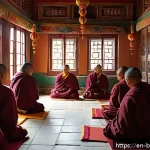
It’s truly humbling to witness. The dancers, often monks, aren’t just performing; they’re in a state of deep meditation, embodying the deities and spirits they portray.

I remember one specific masked dance where the intensity was so palpable, it felt like the dancers were channeling something ancient and powerful. The atmosphere was charged, almost sacred, and you couldn’t help but feel a profound sense of respect for the spiritual depth on display.

It’s this fusion of art and devotion that makes Bhutanese traditional dance so utterly unique and impactful, leaving a lasting impression on your soul long after the music fades.

Echoes of Ancient Wisdom: The Genesis of Sacred Dance

Diving into the history of Bhutanese dance felt like unearthing ancient secrets, and let me tell you, it’s a story that truly grounds the entire experience.

It wasn’t just some spontaneous artistic development; it’s rooted firmly in the 8th century, thanks to the revered Guru Padmasambhava, also known as Guru Rinpoche, who brought Vajrayana Buddhism to Bhutan.

Imagine a time when knowledge was primarily transmitted orally and through visual parables, and suddenly, these incredible “Cham” dances emerged as a powerful tool to teach complex Buddhist scriptures and spiritual lessons to a largely illiterate populace.

My mind was blown realizing how these performances weren’t just entertainment but essential educational and spiritual conduits. The narrative of how Guru Rinpoche himself performed these dances to subdue malevolent spirits and purify the land resonated deeply with me.

It paints a picture of dance not as a frivolous activity, but as a potent force for spiritual transformation and protection. It gives you such a profound appreciation for every step, knowing the centuries of spiritual purpose woven into its very fabric.

The Legacy of Guru Rinpoche

It’s almost impossible to talk about the origins of these sacred dances without talking about Guru Rinpoche. He’s this legendary figure whose impact on Bhutanese culture is just immense.

The Cham dances, particularly the masked ones, are directly linked to his teachings and his mission to spread Buddhism. I learned that he used these dances to conquer negative forces and to lay the groundwork for future monasteries.

Think about that for a second – using dance as a strategic tool for spiritual warfare and cultural establishment! It’s a powerful concept, and it makes you understand why these dances are held in such high esteem.

They are not merely recreations of ancient events; they are considered continuations of the blessings and protective energy first invoked by the Guru himself.

This direct lineage from an enlightened master to the performances you see today really adds an incredible layer of authenticity and spiritual weight to every single Tshechu festival.

Evolution Through the Centuries

While Guru Rinpoche set the stage, the dances didn’t just stay frozen in time. They evolved, absorbing new layers of meaning and complexity. I discovered that figures like Saint Pema Lingpa in the 15th century added their own significant contributions, composing dances that depicted celestial beings and divine journeys, enriching the repertoire even further.

And then, in the 17th century, the great unifier of Bhutan, Zhabdrung Ngawang Namgyel, formally integrated these sacred dances into state festivals, making them a central part of the annual Tshechus.

This institutionalization ensured their preservation and prominence, transforming what might have been monastic rituals into grand public spectacles that strengthened national unity and reinforced Buddhist teachings for everyone.

It’s a testament to the foresight of these historical figures that these dances continue to flourish, adapting slightly over time while maintaining their sacred core, a living testament to a continuous cultural and spiritual journey.

Advertisement

A Kaleidoscope of Motion: Exploring the Main Dance Forms

When you finally get to see these dances, it’s like stepping into a vibrant, moving painting. I was honestly overwhelmed by the sheer diversity and depth of the different forms, each with its own unique story and style.

From the dramatic masked Cham dances to the more subtle and graceful folk dances, every single one offers a distinct window into Bhutanese culture. It’s not just a generic “traditional dance”; it’s a rich tapestry of specific rituals, narratives, and movements that have been honed over centuries.

I remember trying to keep track of all the different dances I saw, each one captivating in its own way, sometimes somber and meditative, other times overflowing with joyous energy.

This variety is what keeps the festivals so engaging, a constant flow of new visual and spiritual experiences that capture your imagination and make you feel truly connected to the moment.

It definitely kept me on my toes, trying to guess what incredible display would come next!

The Enigmatic Cham Dances

The Cham dances are definitely the rockstars of Bhutanese traditional dance, especially during the Tshechu festivals. These are the masked dances, performed by monks and lay practitioners, and they are nothing short of spectacular.

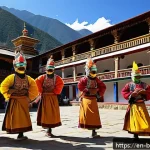
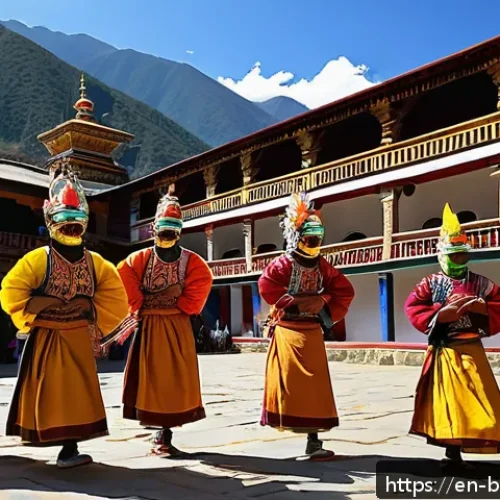
I was completely spellbound watching the “Drametse Nga Cham,” also known as the “mask dance of the drums from Drametse.” The dancers wear these incredible animal-shaped masks and colorful silk robes, moving with a powerful, rhythmic precision that feels both ancient and alive.

The drums, cymbals, and long horns create an otherworldly atmosphere that totally transports you. It’s believed that witnessing these dances can purify sins and bring blessings, and honestly, you feel that sense of spiritual cleansing just by being in their presence.

Then there’s the “Shana Cham,” or the Dance of the Black Hats, which is often a powerful opening act for many festivals. The dancers, with their wide-brimmed black hats symbolizing the wheel of dharma, move in circular patterns, purifying the space and invoking protection.

It’s visually stunning and spiritually charged, a true highlight you absolutely cannot miss. Each mask tells a story, each movement carries a teaching, and it’s a constant discovery as you watch them unfold.

Graceful Folk Expressions

Beyond the dramatic Cham dances, there’s a whole world of Bhutanese folk dances that are equally captivating, though perhaps in a more gentle and community-focused way.

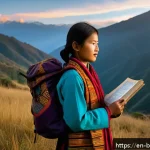
I particularly loved the “Zhungdra,” which is considered one of the oldest dance forms in Bhutan. It’s often performed by women in traditional attires like the “kira” and “rachu,” moving with a slow, composed grace that feels incredibly elegant and serene.

It’s less about masks and more about subtle, flowing movements and beautiful melodic songs, often performed in courtrooms or monasteries as an offering to the gods.

Then there’s the “Boedra,” a lively and energetic folk dance that really brings out the joyful spirit of the Bhutanese people. Dancers form a circle, and their movements are less rigidly choreographed, flowing with the rhythm of the song.

It’s fascinating because you never quite know what steps they’ll do next, making it feel very spontaneous and authentic. Witnessing these folk dances, especially during local gatherings outside of the big festivals, gives you a wonderful sense of the everyday cultural life and communal joy that permeates Bhutan.

They are perfect examples of how dance is simply a part of life, a natural expression of emotion and shared heritage.

Dance Form Key Characteristics Spiritual / Cultural Significance
Drametse Nga Cham Masked, animal masks, vibrant silk robes, powerful drumming. Purifies sins, brings blessings, reenacts Buddhist legends.
Shana Cham (Black Hat Dance) Dancers in black hats, circular movements, symbolic purification. Cleanses negativity, invokes protection, honors Guru Rinpoche.
Zhungdra Slow, graceful, often performed by women in traditional Kira. Oldest form, offering to deities, reflects Buddhist calm.
Boedra Lively, energetic, group dance in a circle, fluid movements. Expresses communal joy, often accompanied by singing, less rigid.
Pa Cham “Dance of Heroes and Heroines,” colorful robes, crowns, hand drums. Honors Guru Rinpoche, vibrant ritual during Tshechus.

Threads of Tradition: The Magnificent Costumes

Seriously, the costumes are an art form in themselves! Before my trip, I’d seen pictures, but seeing them up close, feeling the richness of the fabrics, and appreciating the intricate details was a whole other experience.

They aren’t just clothes; they are an integral part of the storytelling, alive with symbolism and centuries of craft. The colors, the textures, the way they move with the dancers – it’s just breathtaking.

Each costume tells a piece of the story, reflecting the character being portrayed, whether it’s a wrathful deity, a peaceful saint, or an animal spirit.

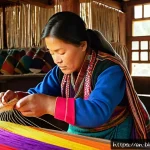
I found myself absolutely captivated by how meticulously they are put together, often from vibrant silk brocades that catch the light with every swirl and turn.

It made me realize that the preparation for these performances must be immense, not just in learning the steps, but in creating and preserving these magnificent garments.

It’s a testament to the Bhutanese commitment to their heritage, where even the attire is a sacred artifact.

Symbolism Woven into Every Stitch

What fascinates me most about these costumes isn’t just their beauty, but the profound symbolism embedded in every single element. For instance, the masks used in Cham dances aren’t just decorative; they represent specific deities, protectors, or even historical figures.

They can be intricately carved from wood or papier-mâché and painted in vibrant hues, each color often carrying spiritual significance – red for power, white for peace, blue for wisdom.

부탄 전통 춤 관련 이미지 2

When you see a dancer don a wrathful deity mask, you really feel the intensity, knowing it’s meant to convey strength and the ability to overcome evil.

The robes themselves are often made of exquisite silk brocades, flowing and voluminous, enhancing the dancer’s movements and creating a mesmerizing visual spectacle.

Even the accessories, like the dorji gong collars or the small cylindrical hand drums carried in dances like the Pa Cham, all contribute to the overall narrative and spiritual message.

It’s truly a holistic artistic expression, where nothing is arbitrary, and everything has meaning.

Dressing for the Sacred Stage

The process of putting on these costumes feels like a ritual in itself. I can only imagine the care and reverence involved. For male dancers performing Cham, they often wear elaborate silk robes that billow as they turn, sometimes topped with crowns or the distinctive black hats.

The traditional “gho” for men and “kira” for women, which are the national dresses, also feature prominently in many folk dances, but with added embellishments for performances.

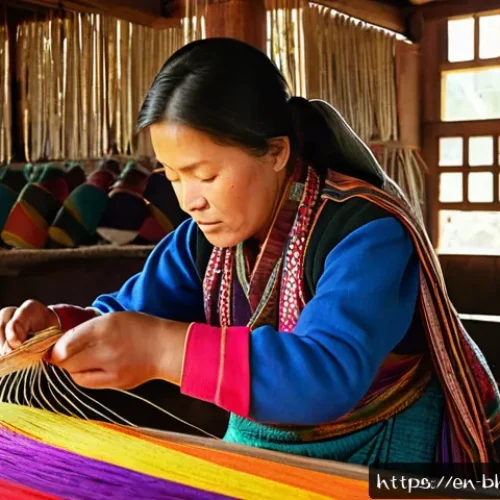
Women often pair their “kira” with a “tego” (long-sleeved blouse) and a “wonju” (jacket), along with a hand-woven scarf called a “rachu.” These aren’t just outfits; they’re expressions of cultural pride and spiritual dedication.

The sheer weight and complexity of some of the masked costumes must require incredible stamina from the dancers, yet they move with such effortless grace, completely embodying their roles.

It’s a powerful visual reminder that these are more than just performances; they are sacred acts, and the costumes are their spiritual armor.

Advertisement

Beyond the Stage: Spiritual Significance and Community Bonds

What truly elevates Bhutanese traditional dance beyond mere spectacle is its incredible spiritual depth and its role in forging unbreakable community bonds.

These aren’t just shows put on for an audience; they are deeply ingrained spiritual rituals that aim to bring blessings, purify the land, and transmit Buddhist teachings.

I felt this tangible sense of collective purpose when I was there. Everyone, from the youngest child to the oldest elder, seemed to be participating, not just as viewers, but as active recipients of the blessings being invoked.

It’s a powerful reminder that culture isn’t static; it’s a living, breathing entity that nurtures and defines a community. My personal takeaway was a profound appreciation for how these dances serve as a bridge between the earthly and the divine, a communal act of faith that strengthens the very fabric of Bhutanese society.

It makes you reflect on the importance of shared experiences and how deeply they can connect people.

Purification, Blessings, and Merit

The underlying purpose of many Bhutanese dances, especially the sacred Cham, is deeply spiritual. They are believed to be a powerful means of purification, driving away evil spirits and negative forces that might hinder the well-being of the community.

Watching them, I could almost feel a sense of cleansing in the air. People attend these festivals not just for enjoyment but to receive blessings and accumulate “merit,” which is vital in Buddhist teachings for a favorable rebirth and spiritual progress.

There’s a strong belief that simply witnessing these dances, known as “thongdrel” – liberation through seeing – can generate enlightened qualities. It’s a beautifully inclusive concept, where everyone present is part of a collective spiritual endeavor.

This emphasis on spiritual benefit rather than just entertainment really reshaped my understanding of performing arts and their potential impact on people’s lives.

It’s a genuine connection to something higher, right there in the open courtyard of a dzong.

Storytelling and Moral Lessons

Beyond purification, these dances are also incredible vehicles for storytelling and imparting moral lessons. Many performances vividly reenact the lives of enlightened beings, the triumphs of Buddhism over ignorance, or tales of compassion and karma.

It’s like watching a living, breathing scripture unfold before you. I recall being particularly struck by how the movements and expressions conveyed such clear narratives, even without understanding the specific Dzongkha chants.

They’re designed to make abstract Buddhist concepts accessible and relatable, illustrating the paths to overcoming negative emotions like anger or greed.

It’s an ingenious way to educate and inspire, reinforcing core values within the community in a way that’s engaging and memorable. For me, it was a fascinating insight into how a culture can preserve its ethical framework through such a vibrant and dynamic art form, truly making the ancient wisdom feel relevant and alive today.

Experience the Magic: Attending a Tshechu Festival

If you’re planning a trip to Bhutan, and trust me, you absolutely should, then timing it with a Tshechu festival is a non-negotiable experience. I mean it!

These aren’t just festivals; they are the pulsating heart of Bhutanese culture, a vibrant explosion of color, sound, and spiritual energy that you have to witness to believe.

I was lucky enough to attend one, and it was genuinely one of the most immersive cultural experiences of my life. The air was buzzing with anticipation, the sounds of cymbals and drums creating a mesmerizing rhythm, and the sight of thousands of Bhutanese people, dressed in their finest traditional attire, all gathered together, was simply awe-inspiring.

It felt less like a tourist event and more like a massive family reunion, where everyone was there to share in a deeply meaningful and joyous occasion.

It’s truly a memory etched into my soul, and I can’t recommend it enough for anyone seeking an authentic glimpse into this incredible kingdom.

The Grandeur of Annual Gatherings

Tshechus, meaning “tenth day,” are celebrated annually across various dzongs (fortresses) and monasteries, usually commemorating the deeds of Guru Rinpoche on the tenth day of a specific lunar month.

The scale of these events is impressive. I remember arriving early to get a good spot, and the courtyard was already filling up with locals who had traveled from remote villages, some for days, to be there.

There’s a palpable sense of anticipation and reverence in the crowd, a collective excitement that builds as the first masked dancers emerge. The performances can last for several days, each day featuring different sacred dances and rituals.

It’s a chance for the entire community to come together, to socialize, to trade stories, and most importantly, to renew their spiritual connection and receive blessings.

It’s a testament to the enduring power of tradition in Bhutan, where these ancient festivals remain incredibly relevant and central to modern life.

Practical Tips for Festival Goers

Okay, so if you’re thinking of going, here are a few things I learned that might help you maximize your experience. First, plan ahead! Tshechu dates are based on the lunar calendar, so they change each year.

You’ll want to check the specific dates for the festivals you’re interested in well in advance, as accommodations book up quickly. Second, dress respectfully.

While you’ll see some tourists in casual wear, many locals are in their finest traditional “gho” and “kira,” and it feels right to honor the sanctity of the event with modest attire.

Bring layers, as the mountain weather can change, and be prepared for crowds, especially at the more popular festivals like Paro or Thimphu Tshechu. And here’s a pro tip from my experience: consider exploring some of the smaller, more remote Tshechus if you want a truly intimate experience with fewer international visitors.

These often offer an even deeper dive into local customs. Lastly, come with an open mind and a respectful heart. These aren’t just photo opportunities; they are sacred rituals.

Engage, observe, and let yourself be truly immersed in the profound spirituality and vibrant culture unfolding around you. Trust me, it’s an experience that will stay with you long after you’ve left the Land of the Thunder Dragon.

Advertisement

글을 마치며

Honestly, reflecting on my time experiencing Bhutanese traditional dances, it feels like I walked away with so much more than just memories of beautiful performances. It was a profound journey into the very essence of a culture that truly lives its spirituality. These dances, with their rich history, stunning visuals, and deep spiritual meaning, aren’t just entertainment; they’re a vibrant conversation between the past and the present, a living prayer that deeply connects people. I truly hope this glimpse into Bhutan’s magical dance forms inspires you to seek out these incredible experiences for yourself. It’s an immersive adventure that truly touches your soul and broadens your understanding of human spirit and tradition.

알아두면 쓸모 있는 정보

1. Booking Your Bhutan Trip: Always plan your Bhutan trip through a registered Bhutanese tour operator. They handle all the logistics, from visas to accommodation, ensuring a smooth and compliant travel experience, as independent travel is restricted. Don’t try to wing it; a good operator makes all the difference.

2. Tshechu Festival Dates: Bhutanese festival dates are determined by the lunar calendar and vary year to year. If catching a Tshechu is a priority, check the specific dates well in advance. Key festivals like those in Paro or Thimphu fill up fast, so book your flights and hotels way ahead of time to avoid disappointment and secure the best spots.

3. Cultural Sensitivity is Key: When attending any traditional event, remember you’re a guest in a deeply spiritual land. Dress modestly—shoulders and knees covered—and observe local customs. Avoid pointing your feet at people or sacred objects, and always ask permission before taking photos of people, especially monks. It’s all about showing respect.

4. Layer Up for Mountain Weather: Bhutan’s weather, especially in the mountains, can be unpredictable, even during festival seasons. Mornings can be chilly, midday warm, and evenings cool. Bringing layers of clothing, including a light jacket and comfortable walking shoes, will ensure you’re prepared for any conditions and can enjoy the day without discomfort.

5. Embrace the Local Cuisine: Don’t shy away from trying the local food! Bhutanese cuisine is unique, often spicy, and deeply flavorful. Dishes like Ema Datshi (chili and cheese stew) are staples. Engage with local vendors, try the traditional butter tea, and sample the fresh, organic produce. It’s a delicious way to immerse yourself even further in the culture, and you might just discover a new favorite dish!

Advertisement

중요 사항 정리

My journey into the world of Bhutanese traditional dances was far more than just witnessing performances; it was a deeply personal and enriching cultural immersion. What truly stayed with me was the profound spiritual significance woven into every movement and every vibrant costume. These aren’t merely ancient rituals preserved for show; they are living expressions of Vajrayana Buddhism, aimed at purifying negative karma, invoking blessings, and transmitting centuries of wisdom. The sheer authenticity and the unyielding connection these dances have with the community, especially during the lively Tshechu festivals, are something truly special. I learned that each dance, whether a dramatic masked Cham or a graceful folk expression, tells a story, offering moral lessons and reinforcing the core values of happiness and harmony that define Bhutan. Experiencing this firsthand really highlighted how deeply culture and spirituality are intertwined, offering a unique glimpse into a way of life that values tradition, community, and enlightenment above all else. It’s an experience that broadened my perspective and left an indelible mark on my heart, a testament to the enduring power and beauty of Bhutanese heritage.

Frequently Asked Questions (FAQ) 📖

Q: What exactly are these traditional Bhutanese dances, and what makes them so unique compared to other cultural performances around the world?

A: Oh, this is such a fantastic question! When I first experienced them, I honestly felt like I wasn’t just watching a performance, but participating in something much deeper.
In Bhutan, these aren’t just ‘dances’ in the entertainment sense; they’re profound spiritual rituals called Cham dances, and they’re intrinsically linked to Mahayana Buddhism.
What sets them apart, from my perspective, is the sheer spiritual weight behind every step, every gesture, and every magnificent costume. Unlike a show put on purely for an audience, these dances are acts of worship, meditation in motion, and storytelling all rolled into one.
The dancers, often monks or lay villagers who’ve trained for years, channel deities and demons, performing ancient narratives that have been passed down through generations.
I remember watching a dancer transform with a mask, and it felt like the very air in the courtyard shifted – it wasn’t just a person dancing; it was a living embodiment of history and faith.
It’s truly an immersive experience that touches your soul, rather than just pleasing your eyes.

Q: I’m planning a trip to Bhutan soon! Where and when is the absolute best time to experience these incredible dances firsthand?

A: Planning a trip to Bhutan? How exciting! You are in for a treat, and trust me, experiencing the Cham dances live is a non-negotiable part of that journey.
If you ask me, the absolute best time to witness these spectacular dances is during one of Bhutan’s vibrant Tsechu festivals. These annual religious festivals are held in various districts throughout the year, but the most famous ones are typically in the spring and autumn.
I personally found the Paro Tsechu (usually in March or April) and the Thimphu Tsechu (around September or October) to be absolutely unforgettable. The energy, the throngs of local people dressed in their finest traditional attire, and the sheer scale of the dances are just breathtaking.
My advice? Plan your travel dates around one of these major Tsechus. You’ll need to book well in advance, though, as these periods are incredibly popular.
It’s not just about the dance; it’s about experiencing the heart of Bhutanese community and faith. Seeing families gather, sharing picnics, and soaking in the blessings of the dances – it’s a memory I truly cherish.

Q: Beyond the beautiful movements and costumes, what kind of stories or meanings do these dances actually convey?

A: re they just fables, or is there more to it? A3: Oh, there’s so much more to it than just fables! That’s what completely captivated me.
Each dance is a rich tapestry woven with deep spiritual significance, often rooted in Buddhist teachings, historical events, and local folklore. They aren’t just pretty movements; they’re living sermons, conveying moral lessons, recounting tales of saints and demons, or even reenacting significant events from Bhutanese history.
Many Cham dances are performed to purify the soul, ward off evil spirits, and bring blessings and good fortune to the audience and the land. I remember one dance, the ‘Black Hat Dance,’ where the dancers symbolically subdue evil forces – you could feel the intention and power radiating from them.
They illustrate the impermanence of life, the triumph of good over evil, and the path to enlightenment. It’s a powerful form of cultural preservation, ensuring that ancient wisdom and values continue to resonate with each new generation.
For the Bhutanese, watching these dances isn’t just entertainment; it’s a way to absorb teachings, receive blessings, and connect with their spiritual heritage.