Bhutan, the Land of the Thunder Dragon, holds an almost mystical allure for travelers and photographers alike. Its breathtaking landscapes, vibrant monasteries, and deeply spiritual culture offer an endless canvas for truly captivating images.
I still remember the first time I set foot there, camera in hand, feeling utterly overwhelmed by the sheer beauty around me. But as I quickly learned, capturing Bhutan’s essence goes far beyond just framing a perfect shot; it’s about understanding and respecting a culture that values modesty and reverence above all else.
In today’s hyper-connected world, where every moment can be instantly shared, the importance of ethical travel photography and cultural sensitivity has never been more critical, especially in a place as sacred as Bhutan.
There’s a fine line between documenting your journey and inadvertently disrespecting local customs, and trust me, you want to be on the right side of it to truly enhance your travel experience and avoid any awkward moments.
I’ve seen firsthand how a little awareness can transform an ordinary picture into a meaningful memory, and how overlooking simple courtesies can lead to uncomfortable situations.
This isn’t just about avoiding a stern look; it’s about being a guest in someone’s home and honoring their traditions. Trust me, you’ll want to get this right to truly honor the Land of the Thunder Dragon.
So, let’s make sure your lens is as respectful as it is ready for those unforgettable shots. Let’s delve into the specifics right now.
Embracing Bhutan’s Heart: Beyond the Lens
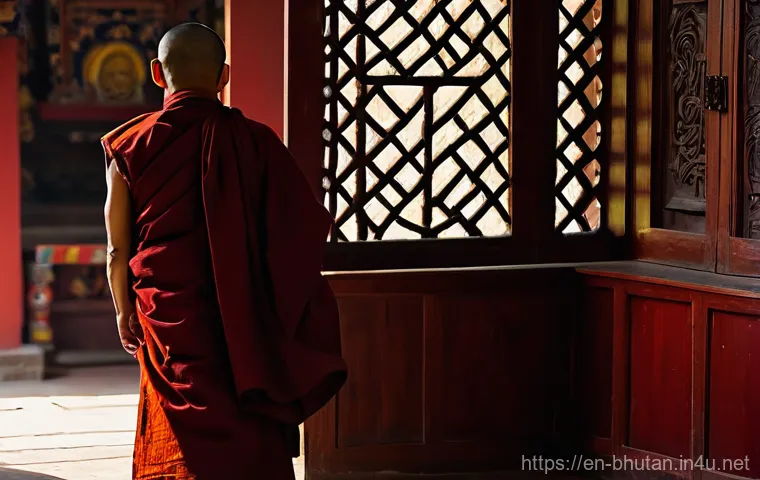
Stepping into Bhutan is like walking into a living postcard, but what truly makes it magical isn’t just the visuals; it’s the profound sense of peace and respect that permeates everything. From the moment I first felt the crisp mountain air and saw the prayer flags fluttering against the backdrop of ancient monasteries, I knew this wasn’t just another photo op. It was an invitation to connect, to understand, and most importantly, to respect. I quickly realized that capturing the true essence of the Dragon Kingdom meant much more than just snapping a beautiful shot; it meant allowing its gentle spirit to guide my lens. This deep-seated reverence for life and tradition is something you’ll feel everywhere, and it’s something you absolutely need to carry with you in every photograph you take. It’s about being present and letting the moments unfold naturally, rather than forcing them into your frame. Trust me, the most impactful images are often those born from genuine connection, not quick clicks.
The Spirit of ‘Gross National Happiness’ in Your Photography
You’ve probably heard about Bhutan’s unique philosophy of Gross National Happiness (GNH). It’s not just a government policy; it’s a way of life, and it deeply influences how people interact with each other and with visitors. When you’re composing a shot, think about how GNH translates into respect, community, and environmental preservation. For me, it meant slowing down. Instead of rushing to get “the shot,” I’d take a moment to observe, to feel the atmosphere, and often, to simply put my camera down and just be. I found that Bhutanese people are incredibly warm and welcoming, but they also value modesty. A big part of GNH is about inner peace and harmony, and you’ll find that reflected in their calm demeanor. Understanding this philosophy helped me approach my photography with more sensitivity, always asking myself: “Does this photo honor the moment and the people?” It’s a wonderful guide for ethical travel photography anywhere, but especially impactful here.
Mindful Engagement: Asking Permission and Building Trust
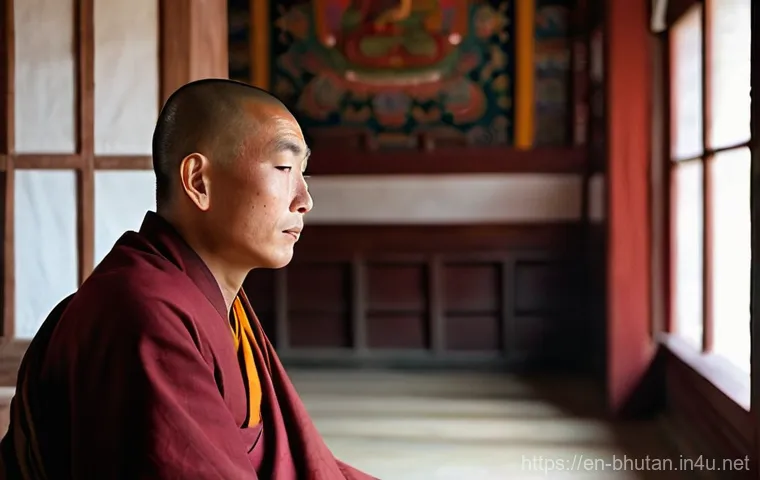
One of the most valuable lessons I learned, perhaps even before I clicked my first shutter, was the importance of genuine interaction. It’s not just about a quick “hello” or a hurried gesture; it’s about making a real connection. I remember trying to capture a monk performing his daily rituals at Paro Taktsang, and instead of just pointing my lens, I waited. After his prayers, I approached him with a smile, bowed slightly, and through my guide, asked if I could take a picture. His warm smile and nod of permission made all the difference. The resulting photograph felt earned, filled with mutual respect. Always remember to ask for permission, especially when photographing individuals. A simple “May I?” or having your guide facilitate the request goes a long way. And if they decline, respect that immediately, no questions asked. Their comfort and privacy are paramount.
Respecting the Sacred: Navigating Bhutan’s Holy Sites
Bhutan is dotted with monasteries, temples, and chortens, each one a vibrant testament to its rich Buddhist heritage. These aren’t just tourist attractions; they are living, breathing spiritual centers where devotion is palpable. When you step into one of these sacred spaces, you’re not just a photographer; you’re a guest in someone’s spiritual home. My first visit to Punakha Dzong, with its intricate carvings and the chanting of monks echoing through the halls, left me absolutely awestruck. The sheer beauty was overwhelming, but so was the deep sense of sanctity. It’s an experience that really makes you re-evaluate your role as a photographer. You’ll often find signs indicating where photography is permitted and where it’s not. Adhering to these rules isn’t just about following directions; it’s about honoring centuries of tradition and belief. There are certain areas, particularly inner sanctums, where photography is strictly forbidden, and for good reason – these are places of profound meditation and reverence. I’ve seen people try to sneak a shot, and it always creates an uncomfortable situation, not just for them, but for everyone around them.
Dress Code and Demeanor: Your Presence Matters
Before you even think about lifting your camera inside a dzong or monastery, take a moment to consider your attire and your behavior. Bhutanese people dress modestly, especially when visiting religious sites. For us travelers, this means covering your shoulders and knees. I always make sure to carry a long skirt or trousers and a scarf in my daypack specifically for these occasions. It’s a small gesture, but it shows immense respect. Inside, maintain a quiet demeanor. Keep your voice low, move slowly, and avoid any gestures that might be considered disrespectful, such as pointing your feet towards altars or religious figures. Remember, you’re in a place of worship, not a museum gallery. The energy you bring into these spaces directly impacts your experience and the experience of others. I once saw a fellow tourist loudly direct their model in a monastery courtyard, and the palpable shift in the peaceful atmosphere was immediate and disappointing. Don’t be that person.
Flash Photography and Noise: Disturbing the Peace
This might seem obvious, but it bears repeating: avoid flash photography and loud shutter clicks in sacred spaces. The soft, natural light within many Bhutanese temples creates a serene, almost ethereal ambiance, and a sudden flash can be incredibly jarring, not to mention disrespectful to those engaged in prayer or meditation. Beyond that, the rapid succession of clicks from a camera can be just as disruptive. I always switch my camera to silent mode and increase my ISO to compensate for lower light conditions. It takes a bit more technical know-how, but the reward is a photograph that genuinely reflects the quiet reverence of the place, without disturbing anyone. Sometimes, the best “shot” is simply soaking in the atmosphere without a camera at all. I’ve found that some of my most cherished memories from Bhutan aren’t photos, but the feeling of being utterly immersed in the quiet spiritual energy of a dzong.
The Human Element: Capturing Faces and Stories Ethically
Photographing people is often the most rewarding aspect of travel photography, but in Bhutan, it requires an extra layer of sensitivity and genuine connection. The Bhutanese people are incredibly photogenic, with their traditional attire, vibrant festivals, and expressive faces. However, it’s crucial to remember that they are not props for your travelogue. They are individuals with lives, feelings, and a strong sense of cultural identity. I’ve found that the most beautiful portraits come from authentic interactions. Instead of a drive-by snapshot, try to engage, even if it’s just a smile and a nod, before you even think about your camera. The warmth you extend will almost always be reciprocated, leading to far more meaningful images. It’s about building a micro-relationship, however brief, that respects their dignity and personhood. Sometimes, the best photographs emerge after you’ve put the camera down, shared a moment, and then picked it up again with renewed permission and trust.
Children and Vulnerable Individuals: Extra Care Needed
When it comes to photographing children, an even higher degree of caution and sensitivity is needed. While their innocent smiles and playful demeanor can be incredibly endearing, it’s vital to remember their vulnerability. Always seek permission from a parent or guardian before photographing children. If no adult is present, it’s generally best to err on the side of caution and refrain from taking their picture. The same goes for elderly or visibly vulnerable individuals. Their dignity and privacy should be your utmost concern. My rule of thumb is: if there’s any doubt, don’t take the photo. It’s far better to miss a shot than to potentially cause discomfort or compromise someone’s privacy. I’ve seen tourists hand out candy to get kids to pose, and it felt so transactional and exploitative. True photography, for me, is about respecting the subject, not manipulating them.
From Snapshot to Story: Authenticity in Portraits
Moving beyond just snapping a picture to truly capturing a story requires a deeper understanding of your subject and their environment. Think about what makes their life unique in Bhutan. Are they farmers tending terraced fields? Monks engaged in daily chores? Artisans weaving intricate textiles? These are the moments that truly convey the rich tapestry of Bhutanese life. I remember spending an afternoon watching a group of women painstakingly dye wool, and instead of just one quick shot, I observed their process, their laughter, and their camaraderie. The series of images I captured told a much richer story than any single portrait could have. Look for context, for interaction, for the quiet moments that reveal character. These are the elements that elevate a simple portrait into a compelling narrative, one that truly honors the individual and their culture.
Beyond the Postcard: Capturing Daily Life Responsibly
While the iconic dzongs and majestic mountains are undeniably breathtaking, Bhutan’s true charm often lies in its everyday moments. Capturing these slices of daily life – a farmer plowing a field, a group of friends chatting at a local market, children playing in a village – can offer incredibly rich and authentic insights into the culture. These are the images that often resonate most deeply, telling a story that goes beyond the typical tourist brochure. However, just like with sacred sites and individuals, capturing daily life comes with its own set of ethical considerations. It’s easy to inadvertently turn everyday scenes into a spectacle if you’re not mindful. The goal isn’t to exoticize or intrude, but to observe and document with a respectful eye. I’ve always tried to be as unobtrusive as possible, often using a longer lens to capture candid moments from a respectful distance, allowing life to unfold naturally without my camera becoming a disruption.
Local Markets and Festivals: Navigating Crowds and Customs
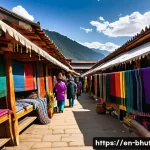
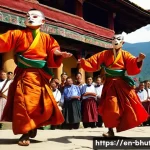
Bhutanese markets, especially the weekend market in Thimphu, are a fantastic place to capture the vibrant energy of local life. The colors, the sounds, the interactions – it’s a feast for the senses and the lens. Similarly, festivals like the Tsechu are incredible spectacles of dance, music, and devotion. However, these can also be crowded environments where it’s easy to get carried away. At markets, remember that people are there to conduct business, not to be photographed. Be discreet and always ask before photographing vendors or their specific wares if they are the primary subject. During festivals, while the atmosphere is often celebratory and more open, still be mindful of personal space and the sacred nature of many performances. I often find a vantage point slightly removed from the main action, allowing me to capture the broader scene without being in anyone’s way or disrupting the flow of the event. It’s about being part of the environment, not imposing on it.
Street Photography with Sensitivity: Blending In
For street photography in Bhutan, my advice is to try and blend in as much as possible. This means avoiding ostentatious gear, dressing modestly, and moving slowly and quietly. The less you stand out, the more natural and authentic your photographs will be. I often carry just one camera body and a versatile lens, rather than looking like a professional paparazzi. The goal is to capture candid moments without making people feel like they are being watched or documented without their consent. Sometimes, a simple smile and a nod to acknowledge someone’s presence, even if you don’t speak the same language, can open doors and make them feel more comfortable. I’ve learned that patience is key here; waiting for the right moment, rather than aggressively pursuing a shot, almost always yields better and more ethical results. It’s about building a comfortable atmosphere, even momentarily, that allows for genuine expression.
Gear Choices and Ethical Considerations for Your Bhutan Trip
When packing for Bhutan, especially as a photographer, it’s easy to get caught up in wanting to bring every lens and gadget. Trust me, I’ve been there! However, my experience has taught me that less is often more, particularly when ethical considerations are paramount. Over-the-top gear can sometimes create a barrier between you and the people you’re trying to photograph, making you appear more like an alien observer than a respectful visitor. Furthermore, thinking about your gear choices through an ethical lens can actually enhance your experience and the quality of your images. It’s not just about what equipment produces the sharpest image, but what equipment allows you to operate most sensitively and effectively in a unique cultural environment. Consider the weight, the bulk, and how conspicuous your setup will be. My aim is always to be as unobtrusive as possible, allowing me to blend in and capture authentic moments without becoming the focus of attention.
Selecting Lenses for Discretion and Detail
My go-to lenses for Bhutan are typically a versatile mid-range zoom (like a 24-70mm) and a telephoto zoom (like a 70-200mm). The mid-range allows for wider environmental shots and comfortable interaction distances, while the telephoto is incredibly useful for capturing candid moments from a distance without intruding. For example, when photographing monks praying inside a dzong where I couldn’t get close, my telephoto allowed me to capture their expressions respectfully from a distance. I rarely bring super wide-angle lenses, as they can sometimes distort perspectives in a way that feels unnatural, and ultra-long lenses can make you look like you’re spying. A good prime lens (like a 50mm or 85mm) can also be wonderful for portraits, allowing for beautiful bokeh and a more natural perspective, encouraging you to get a bit closer and engage. Remember, the goal isn’t just magnification, but also maintaining a comfortable distance for your subjects.
Accessories for Respectful Photography
Beyond lenses, consider accessories that aid in respectful photography. A good quality tripod or monopod can be invaluable for low-light situations in monasteries, allowing you to get sharp images without resorting to flash, provided it’s permitted and you’re not obstructing anyone. I also always carry extra batteries and memory cards, as you don’t want to be scrambling when a perfect, respectful moment arises. A lightweight, comfortable camera bag is also essential, allowing you to carry your gear easily without feeling burdened, which in turn makes you more approachable. Sometimes, a simple neutral-colored rain cover for your camera can also be a discreet way to protect your gear without drawing undue attention. It’s about being prepared, but in a way that aligns with the understated nature of Bhutanese culture.
Beyond the Click: Research and Reflection for Meaningful Photography
Capturing Bhutan’s soul isn’t just about what happens when you press the shutter button; it begins long before you even arrive and continues long after you’ve left. The most impactful images, the ones that truly tell a story and resonate with viewers, are often those backed by genuine understanding and a thoughtful approach. This isn’t just my personal philosophy; it’s something I’ve seen work wonders for countless travelers. When I first planned my trip, I devoured every book and article I could find about Bhutanese culture, history, and spiritual practices. I wanted to immerse myself in their world, not just visit it. This preparatory work wasn’t just for general travel; it directly informed how I approached every photographic opportunity, helping me to anticipate moments, understand context, and avoid common cultural faux pas. It’s about earning the right to tell their story, not just taking it.
Pre-Trip Cultural Immersion: Your Best Lens
Before you even pack your bags, spend some time diving into Bhutanese customs and etiquette. Learn a few basic phrases in Dzongkha, like “Kuzuzangpo la” (hello/goodbye) and “Kadrin chhe la” (thank you). These small efforts go a long way in showing respect and can instantly open doors, making people more receptive to being photographed. Understanding simple gestures, like offering things with two hands, can prevent accidental offense. I found that knowing about their reverence for nature, their monastic traditions, and the importance of prayer flags helped me frame my shots with more sensitivity and meaning. It’s not just about what you see, but what you understand about what you’re seeing. This cultural immersion is arguably your most important “lens” for capturing authentic and respectful photographs.
Reflecting on Your Images: Telling Their Story, Not Just Yours
Once you’ve returned home and are reviewing your images, take a moment to reflect on them through an ethical lens. Ask yourself: “Does this photograph honor the people and culture of Bhutan? Have I captured the moment authentically, without misrepresenting or exploiting anyone?” This is a crucial step that many photographers overlook. It’s easy to get caught up in the technical perfection of a shot, but its ethical foundation is just as, if not more, important. I try to select images that convey respect, dignity, and the genuine spirit of the place. Sometimes, an image might be technically perfect but feel intrusive or disrespectful, and in those cases, I’ll choose not to share it. Your photographs become part of the narrative about Bhutan, and you have a responsibility to tell that story truthfully and respectfully. This process of reflection truly makes you a better, more thoughtful photographer.
| Ethical Photography Guideline | Why It Matters in Bhutan | Practical Tip |
|---|---|---|
| Seek Permission | Shows respect for individual privacy and cultural modesty. | Always ask before photographing people; use a guide to translate if needed. |
| Dress Modestly in Sacred Sites | Honors religious customs and traditions. | Cover shoulders and knees when visiting dzongs, temples, or monasteries. |
| Avoid Flash Indoors | Prevents disruption of prayers and preserves atmosphere. | Increase ISO and use a fast lens in low light; switch camera to silent mode. |
| Be Discreet with Gear | Minimizes intrusion and draws less attention to yourself. | Opt for a smaller camera kit; avoid overly large or conspicuous lenses. |
| Observe First, Photograph Second | Allows you to understand context and capture authentic moments. | Spend time observing a scene before raising your camera. |
Making Memories: When to Put the Camera Down and Just Be
This might sound counterintuitive coming from an “influencer” who lives and breathes content creation, but one of the most powerful lessons Bhutan taught me was the profound importance of simply putting the camera down. There are moments, truly magical ones, where the act of documenting actually detracts from the experience itself. I’ve found that some of my most cherished “memories” from Bhutan aren’t captured in pixels but are etched in my mind and heart, vivid and alive, precisely because I chose to be fully present, without the filter of a lens. It’s in these moments that you truly connect with the country’s spiritual rhythm, its gentle people, and its awe-inspiring landscapes. This isn’t to say don’t photograph; it’s to say, know when to prioritize the experience over the shot. That balance, I believe, is the hallmark of a truly ethical and enriched travel photographer.
The Power of Uninterrupted Observation
There’s a unique power in simply observing, in letting your senses fully take in the sights, sounds, and smells without the intermediary of a viewfinder. I remember one morning sitting on a hillside overlooking the Phobjikha Valley, watching the mist slowly burn off, revealing the patchwork of fields below. My camera was in my bag. I just sat there, breathing in the cold, clean air, listening to the distant bells of grazing yaks. That uninterrupted moment of pure observation became a core memory, one that no photograph could truly replicate. These are the moments that truly ground you, that allow the spirit of a place to seep into your soul. They also make you a more discerning photographer later, as you learn to identify the moments that truly warrant a capture, distinct from those that are best left to pure experience. It’s a subtle but profound difference that enhances both your journey and your art.
Connecting Beyond the Lens: Genuine Interaction
Putting the camera down also creates opportunities for genuine human connection. When you’re not peering through a lens, you’re more approachable, more open to conversation, and more likely to receive warm smiles and gestures of welcome. I’ve had some incredible conversations with local villagers, shared cups of butter tea, and even participated in impromptu dances, all because my camera was safely tucked away, signaling that I was there to connect as a person, not just as a photographer. These interactions are invaluable; they add layers of meaning to your trip that no picture alone can convey. They are the stories behind the photographs, the context that breathes life into your visual narrative. Trust me, the memories of these connections will far outlast any fleeting image on a screen, and they will inform your entire approach to photography in the most beautiful way.
Sustainable Storytelling: Leaving a Positive Footprint Through Your Photography
As photographers, we have an incredible power: the power to shape perceptions and share stories with the world. In a place like Bhutan, this responsibility takes on an even greater weight. Our images can either perpetuate stereotypes or highlight the beauty, dignity, and resilience of a culture. This isn’t just about avoiding a misstep; it’s about actively contributing to a positive narrative. My goal, and what I hope for all fellow photographers visiting Bhutan, is to leave a positive footprint not just through our respectful actions on the ground, but also through the visual stories we share. Every photograph you publish, every caption you write, contributes to the global understanding of this unique nation. It’s a chance to be an ambassador, to share the magic of Bhutan in a way that truly honors its spirit and its people. This kind of thoughtful, sustainable storytelling goes far beyond mere aesthetics; it’s about impact and integrity.
Educating Your Audience: Context and Nuance
When you share your Bhutanese photographs, take the time to provide context and nuance. Avoid simplistic or exoticizing captions. Instead, tell the stories behind your images. Explain the significance of a particular ritual, the meaning of a specific architectural detail, or the daily life of the people you encountered. This educational aspect of sharing your work is vital. It transforms your photographs from mere pretty pictures into powerful tools for understanding and appreciation. I always try to include details that I learned from my guide or from my pre-trip research, offering viewers a deeper insight into what they are seeing. This not only elevates your content but also helps your audience engage more meaningfully with Bhutan’s culture, potentially inspiring them to travel more responsibly themselves. It’s about being a storyteller who empowers, rather than just entertains.
Inspiring Responsible Travel: Your Influence Matters
As “influencers,” whether big or small, our actions and the content we create have a ripple effect. Your ethical photography practices in Bhutan can inspire your audience to travel more responsibly, to be more culturally sensitive, and to think critically about their own impact on the places they visit. By showcasing respect, genuine connection, and thoughtful engagement through your images and words, you become a role model. I’ve received countless messages from followers who said my approach to photography in Bhutan changed how they thought about their own travels, and that, for me, is the ultimate reward. It’s about fostering a community of conscious travelers who value integrity as much as they do adventure. So, let your lens be a force for good, telling Bhutan’s story in a way that encourages respect, understanding, and sustainable tourism for years to come.
Wrapping Things Up
Well, friends, as we draw this journey of ethical photography in Bhutan to a close, I truly hope you feel as inspired as I do every time I reflect on my experiences there. It’s more than just taking pictures; it’s about participating in a moment, respecting a culture, and truly seeing the people and places through a lens of genuine understanding. Bhutan isn’t just a destination for stunning photos; it’s a profound lesson in mindful living, and if you let that spirit guide your camera, your images will transcend mere aesthetics. I’ve found that the most memorable shots are always those born from deep respect and a heartfelt connection, and honestly, that’s a philosophy that makes your entire travel experience so much richer, not just your photo gallery. It’s about bringing home stories, not just souvenirs.
Useful Information for Your Bhutanese Adventure
Here are a few quick, practical tips I’ve picked up that I wish someone had told me before my first visit to the Land of the Thunder Dragon:
1. Always carry small denominations of Ngultrum (BTN) or Indian Rupees (INR) for small purchases and tips, especially in local markets or remote areas where card payments are rare. The exchange rate is usually fixed to the Indian Rupee, making conversion straightforward. It makes transactions smoother and shows a readiness to engage with local commerce.
2. Embrace the ‘Bhutanese Time’ philosophy. Things often move at a slower, more relaxed pace here, and rushing will only stress you out. Factor in extra time for everything, from meal service to travel between towns, and you’ll find yourself enjoying the journey much more. It also helps you spot those candid, authentic photo opportunities!
3. Pack layers! The weather in Bhutan, especially in the mountains, can change dramatically from morning to afternoon, and even between valleys. A waterproof jacket is a must, even outside of monsoon season. Staying comfortable means you’re more likely to stay out longer and capture those breathtaking, fleeting moments without distraction.
4. Learn a few basic Dzongkha phrases. A simple “Kuzuzangpo la” (hello/goodbye) or “Kadrin chhe la” (thank you) goes an incredibly long way in fostering goodwill and making genuine connections with locals. I swear, the smiles I received back just from these small efforts were some of my most cherished memories, and it often led to more approachable photo opportunities.
5. While guides are mandatory for most tourists, choose a guide who understands your interest in photography and, crucially, cultural sensitivity. A good guide isn’t just a fact-teller; they’re a bridge between you and the local culture, helping you ask permission, understand customs, and find those ethically enriching photographic moments. It makes a world of difference!
Key Takeaways
Ultimately, photographing Bhutan is a privilege that comes with a responsibility to honor its unique culture and people. Prioritize genuine interaction and always seek permission, especially when photographing individuals. Respect sacred sites by observing dress codes, maintaining quiet, and refraining from flash photography. Choose your gear wisely to be discreet, and invest time in pre-trip cultural research. Most importantly, know when to simply put your camera down and immerse yourself in the moment. Your photographs will be richer, and your travel experience infinitely more profound, if you let respect and empathy lead your lens.
Frequently Asked Questions (FAQ) 📖
Q: What are the key photography rules and cultural sensitivities I absolutely need to know when visiting Bhutan, especially around their stunning monasteries and vibrant festivals?
A: This is such a crucial question, and honestly, it’s the first thing I wish someone had really emphasized to me before my first trip! When you’re standing amidst the incredible beauty of a place like Paro Taktsang or witnessing a vibrant Tsechu festival, it’s easy to just want to click away.
But here’s the deal: respect comes first. Generally, you’ll find that photography inside temples, chapels, and certain inner sanctums of monasteries is strictly prohibited.
And for good reason! These are sacred spaces for prayer and meditation, not tourist attractions to be fully documented. You’ll usually see clear signs indicating “No Photography,” and it’s vital to heed them without question.
I’ve personally seen guides gently remind eager photographers, and it’s always better to ask first if you’re ever in doubt. Outside, in the courtyards or during public festivals, it’s usually fine to photograph the general atmosphere, architecture, and dance performances.
However, even then, always be mindful. Don’t use flash indiscriminately, especially if it might disrupt a ceremony or bother performers. And when it comes to people, a smile and a nod, or even a simple “May I?” in English or Dzongkha if you’ve learned a few phrases, goes a very long way.
Remember, you’re a guest in their spiritual home, and their comfort and devotion should always take precedence over your perfect shot. My rule of thumb?
If it feels intrusive, it probably is.
Q: I really want to capture the authentic spirit of the Bhutanese people. How can I respectfully photograph locals, especially children, without being perceived as intrusive or exploitative?
A: Oh, this is a question that truly gets to the heart of ethical travel photography, and it’s one I’ve grappled with quite a bit myself. My personal journey has taught me that the most powerful images often come from genuine connection, not stealthy snapshots.
First and foremost, always, always ask for permission before taking someone’s picture. A simple gesture, a smile, or asking “May I take your picture?” (even if they don’t speak English, the intent is usually understood) makes a world of difference.
When they agree, it’s a shared moment, and the resulting photograph often carries so much more soul. If they decline, respect that immediately and move on without a fuss.
This is especially true with children; while their innocent faces are incredibly captivating, always seek permission from their parents or guardians first.
I’ve found that offering to show them the picture on your camera screen after you’ve taken it can be a lovely way to build a little bridge of connection.
It’s not about payment, but about a human exchange. I vividly remember showing a group of monks a portrait I’d taken of them, and their genuine delight was a far richer reward than any perfect composition.
It’s about building trust, even if for a fleeting moment, and acknowledging their personhood, not just their photographic potential. Trust me, the best photos come from respect.
Q: What if I’m in a situation where I’m not sure if photography is allowed or appropriate? Is there a general guideline or approach I should take to avoid causing offense?
A: This is probably the most common dilemma you’ll face as a photographer in a culturally rich place like Bhutan, and it’s one I’ve definitely navigated many times myself.
My go-to approach is simple: when in doubt, don’t. Seriously, it’s better to miss a shot than to cause offense or disrespect. However, if you’re keen on capturing a moment and you’re unsure, the best first step is to observe.
Look for signs (literal “No Photography” signs, or subtle cues from locals). Are others taking photos? Are there local guides around?
If you have a guide, they are your absolute best resource – ask them! They are invaluable cultural bridges and can tell you exactly what’s permissible.
If you’re on your own, try to make eye contact with someone nearby, smile, and gesture with your camera, as if asking for unspoken permission. Sometimes, a gentle nod or a shrug can give you the answer.
But if you get even the slightest negative vibe, or no clear affirmation, just put your camera down. I’ve personally learned that some of my most cherished memories from Bhutan aren’t pictures I took, but moments I simply experienced fully, without a lens between me and the world.
Sometimes, the most meaningful “photograph” is the one you capture in your mind and heart. Trust your gut feeling, it rarely steers you wrong in these situations.