Stepping into a new culture is truly one of life’s greatest adventures, isn’t it? And if you’re anything like me, you’re constantly seeking those unforgettable moments that truly immerse you in a destination.
Well, let me tell you, my recent journey to the mystical kingdom of Bhutan offered just that – an experience so rich and authentic, it’s etched in my memory.
Donning their traditional attire, the elegant Kira for women and the distinctive Gho for men, was far more than just trying on clothes; it was like unlocking a deeper understanding of their beautiful heritage and feeling a profound connection to their way of life.
It’s a trend I’ve noticed among savvy travelers: we’re moving beyond mere sightseeing to truly *living* the culture, even if just for a day. If you’re planning a trip, or just dreaming of one, this is an absolute must-do that transforms a simple visit into a genuine cultural embrace.
I’ll share all the fascinating details below!
Embracing the Threads of a Kingdom: My Journey into Bhutanese Attire
There’s something uniquely transformative about slipping into the traditional garments of a new land. For me, that moment arrived in the serene landscapes of Bhutan, where the vibrant Kira for women and the distinctive Gho for men are not just clothes, but living testaments to a rich cultural tapestry. I remember the flutter of excitement as I was helped into my Kira, the intricate patterns of the fabric telling stories without a single word. It wasn’t just about trying on an outfit; it was like stepping into a different skin, a deeper understanding. The weight and drape of the fabric, the way it moved with me – it instantly made me feel a part of something ancient and incredibly beautiful. This wasn’t merely a photo opportunity; it was a profound shift in perspective, allowing me to see and feel the world through a Bhutanese lens, even if only for a day. It’s an experience I now champion for anyone looking to truly connect with a destination, moving beyond the superficial glance to a genuine cultural embrace. My time in Bhutan, especially wearing the Kira, has left an indelible mark on my heart, and I often reflect on how much a simple act of dressing can deepen one’s travel narrative. It truly redefines what ‘travel’ means.
The Allure of the Kira: A Woman’s Perspective
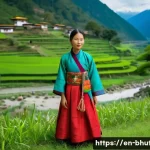
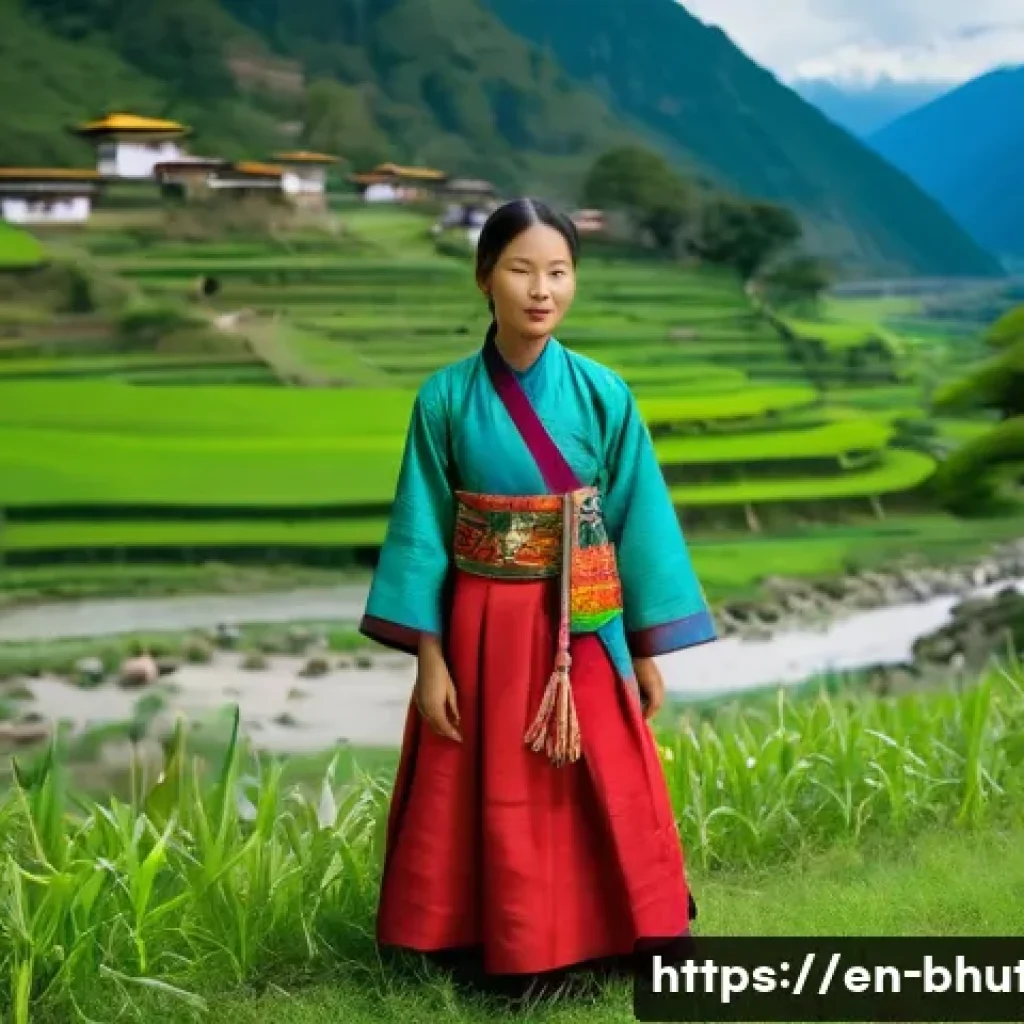
As a woman, the Kira immediately captivated me. It’s a full-length, ankle-length dress that’s intricately woven, often with stunning geometric or floral patterns. The process of putting it on is an art in itself; it’s wrapped around the body and secured at the shoulders with ornate silver or gold brooches called ‘koma’, then cinched at the waist with a woven belt known as a ‘kera’. Underneath, you wear a long-sleeved blouse called a ‘wonju’, and over it, a short, open jacket called a ‘tego’. My first time, I felt a gentle sense of awkwardness, a bit like a child trying on adult clothes, but that quickly gave way to a feeling of elegance and grace. The women who helped me were so patient, their smiles warm and encouraging. It felt less like a transaction and more like an initiation into a cherished tradition. The fabric itself, often silk or cotton, felt luxurious against my skin, and the vibrant colors truly popped against the backdrop of Bhutan’s verdant valleys. It instantly made me feel both respectful and respected, an invaluable exchange when traveling.
Embodying Masculinity: The Distinctive Gho
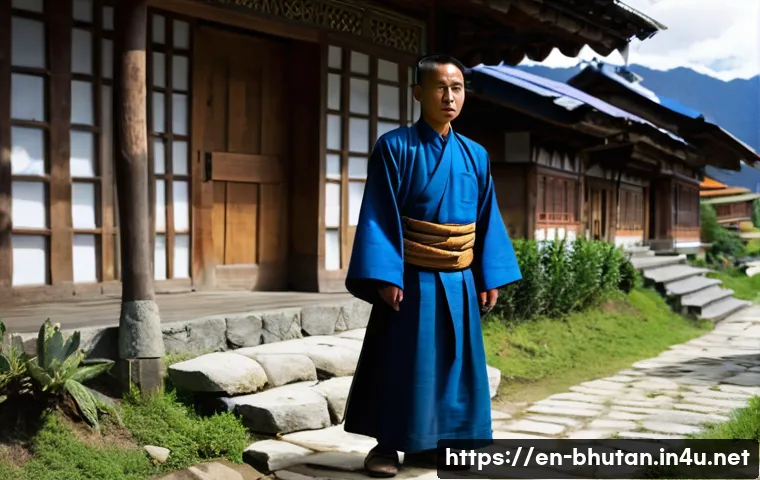
While my experience was with the Kira, I watched with fascination as male travelers embraced the Gho. This knee-length robe, typically worn with a long-sleeved shirt underneath, is a magnificent garment. It’s folded and pulled up to form a large pocket in the front, traditionally used to carry various items – a detail that always brought a chuckle to those trying it for the first time. The Gho is secured at the waist with a kera, similar to the Kira. It’s a powerful statement of identity and national pride. The men I saw wearing it seemed to carry themselves with an added sense of dignity, their shoulders straighter, their movements more deliberate. It’s a highly practical garment too, especially in a mountainous country, offering both warmth and freedom of movement. I remember seeing a group of local men in their Ghos, effortlessly navigating the steep paths to a monastery, and thinking how perfectly suited their attire was to their environment and lifestyle. It’s a testament to the intelligent design of traditional clothing, born from centuries of adaptation and cultural expression.
Beyond the Seams: Unraveling the Deeper Meanings
When you wear traditional attire, it’s never just about the fabric or the fit. In Bhutan, the Kira and Gho are deeply interwoven with the country’s national identity, its spiritual beliefs, and its commitment to Gross National Happiness. Each stitch, each color choice, each pattern seems to carry a whispered history. I learned that the colors often symbolize different aspects of nature or spirituality – blues for the sky, greens for the earth, reds for passion or protection. The intricate embroidery can represent ancient myths or blessings. It made me realize how much we miss when we only see clothes as mere fashion. Here, clothing is a narrative, a constant reminder of who they are as a people. It’s a way of preserving their unique heritage in a world increasingly homogenized by global trends. This commitment to their sartorial traditions is truly admirable, a quiet but powerful act of cultural preservation. It makes you pause and appreciate the stories held within every thread, offering a tangible link to centuries of history and artistic expression. My experience felt like I was being let in on a beautiful, unspoken secret.
Color, Pattern, and Symbolism: A Visual Language
Bhutanese textiles are renowned for their vibrant colors and complex patterns, and wearing a Kira or Gho is like adorning yourself in a piece of art. The patterns aren’t just decorative; they often hold deep symbolic meanings. For instance, geometric designs might represent elements of Buddhist cosmology, while floral motifs can symbolize prosperity or purity. I was particularly struck by the richness of the brocade, often woven with silk threads, creating a shimmering, almost living texture. The local women I spoke with explained how specific patterns were sometimes associated with different regions or even families, a subtle way of expressing one’s origin and identity. It made me think about how our own clothing choices, even in modern Western societies, can communicate so much, yet often without the same depth of conscious cultural meaning. To wear these garments is to participate in this visual language, a quiet conversation with Bhutan’s past and present. It adds such an incredible layer to the experience, transforming a simple outfit into a meaningful artifact.
The Driglam Namzha: Etiquette and Reverence
Another fascinating aspect of Bhutanese attire is its connection to Driglam Namzha, the official code of conduct that governs how Bhutanese people are expected to behave in public. This includes rules on how to wear the Gho and Kira correctly, especially in formal settings like Dzongs (fortresses) or monasteries. I quickly learned that there’s a certain way to carry yourself, a particular grace that comes with the attire. The broad sleeves of the Gho, for example, are traditionally pulled up and secured with a small silver pin when working or eating, and then released for formal occasions. For women, ensuring the Kira is perfectly draped and the koma are visible is part of showing respect. It’s not just about looking good; it’s about embodying respect for their traditions and elders. It adds a whole new dimension to wearing the clothes – it becomes an act of participation in their social harmony and cultural continuity. This emphasis on proper decorum truly highlights the deep cultural significance embedded in every aspect of their traditional dress, fostering a profound connection to their way of life.
Living the Culture: A Day in Traditional Bhutanese Wear
My decision to spend a full day in my Kira wasn’t just for photos; it was about truly immersing myself. And let me tell you, it completely changed my interactions. I found that locals immediately responded with warmer smiles, a sense of shared understanding, and often, genuine curiosity. Children would sometimes point and giggle, but always with a friendly demeanor. Shopkeepers would offer an extra word of welcome, and even fellow tourists would pause, their expressions shifting from polite curiosity to genuine admiration. It was like I had been given a VIP pass to a deeper level of engagement. Walking through the bustling markets of Thimphu, the vibrant colors of my Kira blended in, yet also stood out in a wonderfully harmonious way. I felt less like an observer and more like a participant in the daily rhythm of life. The experience wasn’t just about how I looked, but how I *felt* – more connected, more present, and truly a part of the moment. This connection is what truly makes travel enriching, and the Kira facilitated that beautifully. I honestly felt a sense of belonging I hadn’t anticipated.
Navigating Daily Life: Comfort and Practicality
One might assume traditional clothing, especially something as structured as the Kira or Gho, could be cumbersome for everyday activities, but I was pleasantly surprised. While it certainly required a different way of moving than my usual jeans and t-shirt, the Kira was remarkably comfortable. The fabric, often breathable cotton or silk, adapted well to the changing temperatures of the day. I found myself adjusting to the long skirt, learning to navigate stairs and uneven paths with a newfound grace. The local women move with such effortless elegance in their Kiras, and watching them was truly inspiring. For the men, the Gho, with its practical front pouch, seemed incredibly functional. I saw men carrying everything from books to their phones in that ingenious pocket. It really highlighted how these garments aren’t just ceremonial; they’re designed for the realities of Bhutanese life, blending tradition with everyday utility. This balance of aesthetic beauty and practical design is something I truly admire and respect.
Enhanced Encounters: The Kindness of Strangers
Wearing the Kira seemed to open doors to conversations I might not have otherwise had. People would approach me, not with the usual tourist questions, but with genuine comments about my attire, sharing small tidbits about their own Kiras or the significance of a particular pattern. One elderly woman at a temple smiled, gestured to my Kira, and then gave a small nod of approval that spoke volumes. It was a silent acknowledgment, a shared moment of cultural respect. These are the interactions that truly define a trip, transforming it from a mere sightseeing tour into a series of meaningful connections. It felt less like I was simply “visiting” Bhutan and more like I was briefly “living” within its beautiful embrace. The clothes became a bridge, an unspoken language that fostered warmth and goodwill. This authentic connection with locals is a highlight of any journey, and my Kira definitely facilitated more of those moments than I could have imagined.
Beyond a Souvenir: Bringing a Piece of Bhutan Home
The experience of wearing traditional Bhutanese attire sparked a deeper appreciation for craftsmanship and cultural identity. It wasn’t just about that one day; it ignited a desire to understand more about global textiles and the stories they tell. I found myself gravitating towards the textile shops in Thimphu, not just looking for souvenirs, but genuinely admiring the intricate weaving techniques and the sheer artistry involved. The vibrant colors and unique patterns of Bhutanese textiles are truly captivating, and I ended up purchasing a beautiful hand-woven scarf that subtly incorporates some of the traditional motifs. It serves as a daily reminder of my extraordinary journey and the profound cultural immersion I experienced. It’s more than just an item; it’s a tangible connection to the memories, the people, and the serene beauty of Bhutan. I’ve found myself incorporating elements of these timeless designs into my own style, a subtle nod to the elegance and rich heritage I encountered. It’s a lovely way to keep the spirit of Bhutan alive long after the trip has ended, a constant source of inspiration and reflection.
Supporting Artisans: Ethical Shopping in Bhutan
One of the beautiful aspects of purchasing textiles in Bhutan is the opportunity to directly support local artisans and their communities. Many of the traditional garments and woven items are created using age-old techniques passed down through generations. By choosing to buy from local co-operatives or smaller independent shops, you’re not just acquiring a beautiful item; you’re contributing to the preservation of these invaluable skills and ensuring that these cultural traditions can continue to thrive. I made a conscious effort to seek out places where I could see the weaving happening or where the sellers could tell me the story behind the piece. It adds so much more meaning to the purchase. Knowing that my purchase directly empowered a woman weaver or helped a family maintain their craft was incredibly rewarding. It transforms shopping from a simple transaction into an act of ethical tourism and cultural patronage. It’s a reminder that our travel choices have an impact, and supporting local heritage is a powerful way to make that impact positive and lasting.
Integrating Cultural Aesthetics into Modern Living
While I might not wear a full Kira in my daily life back home, the experience certainly broadened my perspective on fashion and personal style. I’ve found myself more drawn to natural fibers, bold colors, and intricate patterns. The elegance and simplicity of the Kira and Gho have inspired me to think differently about silhouettes and how clothes drape on the body. It’s a subtle shift, but a meaningful one. I’ve experimented with incorporating woven belts, textured scarves, or even fabric art into my home decor, drawing on the rich aesthetic of Bhutan. It’s about taking the essence of that cultural experience and finding ways to let it resonate in my everyday world. This doesn’t mean appropriating a culture, but rather, allowing it to inspire a deeper appreciation for artistry and tradition, and a more mindful approach to what I wear and surround myself with. It’s a beautiful evolution of my personal style, enriched by the global tapestry of human creativity, and a constant reminder of the beauty I witnessed.
Practicalities for the Culturally Curious Traveler
If you’re inspired to try on a Kira or Gho during your Bhutanese adventure, trust me, it’s an absolute must-do. There are a few things to keep in mind to make your experience as smooth and enjoyable as possible. Firstly, many tour operators can arrange a rental for you, often including the wonju (blouse) and tego (jacket) for women, or the shirt for men, along with the kera (belt). Prices can vary, but generally, a day rental is quite affordable. It’s also worth considering purchasing a set if you plan a longer stay or simply want a lasting memento. You’ll find shops in Thimphu and Paro offering both ready-made and custom-tailored options, which can be an incredible experience in itself. Don’t be shy about asking for help with the draping and securing of the garments – the locals are usually delighted to assist and share their knowledge. It’s all part of the fun! Remember, these aren’t just costumes; they’re deeply respected national attire, so wear them with pride and an open heart. This cultural exchange is truly a highlight of any trip to Bhutan.
Where to Rent or Buy: A Traveler’s Guide
For those eager to don the traditional garb, you’ll find several convenient options. Most reputable tour companies in Bhutan can arrange for Kira or Gho rentals as part of your itinerary. This is often the easiest route, as they’ll handle the sizing and have everything ready for you. If you prefer to explore on your own or wish to purchase, the capital city of Thimphu offers a fantastic array of choices. The weekend market often has stalls selling textiles, and there are numerous dedicated shops, particularly around the main street, where you can find both intricate, hand-woven pieces and more affordable, machine-made versions. In Paro, similar options exist, though perhaps on a slightly smaller scale. Don’t hesitate to haggle gently in some market settings, but always remember to be respectful of the local economy and craftsmanship. Asking your guide for recommendations is always a good starting point, as they can direct you to ethical shops that support local artisans and offer fair prices for quality items.
Etiquette and Comfort: Tips for a Seamless Experience
When wearing a Kira or Gho, a little awareness goes a long way. For women in Kiras, practicing walking and sitting in the longer skirt beforehand can help you feel more comfortable. It’s generally advised to wear modest undergarments, as the fabrics can sometimes be lighter. For both men and women, ensure the kera (belt) is tied securely but not uncomfortably tight. In temples and dzongs, remember to remove your shoes, and if you’re wearing a Gho, you’ll want to adjust the sleeves properly. Hydration is key, especially during warmer months, as the layers can sometimes be quite substantial. Most importantly, approach the experience with an open mind and a respectful attitude. Bhutanese people are incredibly welcoming, and your effort to embrace their culture will undoubtedly be met with warmth and appreciation. Don’t worry about being perfect; it’s the willingness to participate that truly counts and makes for unforgettable memories. Just enjoy the feeling of being part of something truly special.
The Economic Thread: Supporting Local Craftsmanship
My journey into Bhutanese attire wasn’t just a personal cultural immersion; it also highlighted the vital role that traditional weaving and tailoring play in the local economy. Each Kira and Gho is often a testament to countless hours of meticulous work, passed down through generations. By renting or purchasing these garments, travelers directly contribute to the livelihoods of skilled artisans, ensuring that these invaluable crafts not only survive but thrive. I spoke with a woman who had been weaving since she was a young girl, learning from her mother and grandmother, and her passion for her craft was palpable. Her hands, nimble and experienced, created patterns that were both ancient and vibrant, each thread imbued with history and skill. This kind of authentic, community-based economic support is what truly makes a difference in sustainable tourism. It ensures that the benefits of tourism reach the people who are the custodians of the culture, rather than just flowing into large, impersonal corporations. It’s a powerful way to engage with the destination beyond simply visiting its sights, creating a tangible, positive impact.
Fair Trade and Artisan Empowerment
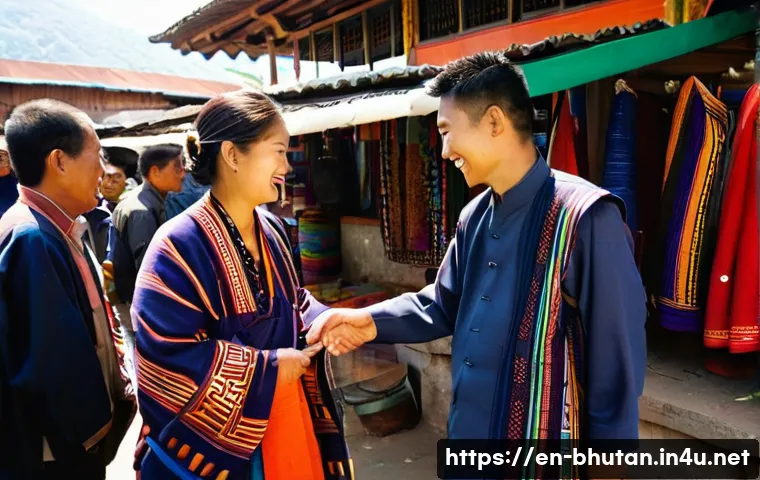
When seeking out Bhutanese textiles, prioritizing fair trade and artisan empowerment makes a world of difference. Many initiatives and cooperatives in Bhutan are dedicated to supporting women weavers and providing them with fair wages and safe working conditions. These organizations often use traditional, sustainable methods for dyeing and weaving, preserving both cultural heritage and environmental integrity. I made it a point to ask about the origins of the textiles I admired, seeking out businesses that clearly articulated their commitment to ethical practices. It’s incredibly rewarding to know that your purchase directly contributes to empowering women, funding educational programs, and sustaining ancient art forms. This conscious approach to shopping elevates the experience, transforming a simple purchase into an act of support for cultural preservation and community development. It’s a powerful reminder that our consumer choices, even while traveling, have far-reaching ethical implications and can truly make a positive impact.
Preserving a Legacy: The Future of Bhutanese Weaving
The intricate art of Bhutanese weaving faces modern challenges, including the availability of cheaper, mass-produced alternatives. However, the government and various non-profit organizations are actively working to preserve and promote these traditional skills. By participating in cultural experiences like wearing the Kira or Gho, and by supporting local artisans, travelers become an integral part of this preservation effort. The demand generated by discerning tourists helps to keep these traditional workshops alive, ensuring that young Bhutanese people continue to learn and practice these ancestral crafts. It creates a vibrant marketplace for their unique products and prevents these invaluable skills from fading away. I felt a sense of pride in knowing that my small contribution could help maintain such a rich and beautiful artistic legacy for future generations. It’s a wonderful example of how tourism, when done thoughtfully and respectfully, can be a force for good, actively contributing to the safeguarding of cultural heritage.
| Feature | Kira (Women’s Attire) | Gho (Men’s Attire) |
|---|---|---|
| Garment Type | Full-length, ankle-length dress | Knee-length robe |
| Components | Wonju (blouse), Kira (dress), Koma (brooches), Kera (belt), Tego (jacket) | Kira (belt), long-sleeved shirt (worn underneath) |
| Fabric & Patterns | Often vibrant silk or cotton, intricate geometric or floral patterns, brocade | Usually solid colors or subtle patterns, durable cotton or wool |
| Securing Method | Wrapped around body, secured at shoulders with Koma, cinched with Kera | Folded and pulled up to form a front pocket, secured at waist with Kera |
| Symbolism | Varies by color, pattern; often represents nature, spirituality, regional identity | Represents national identity, dignity, practicality; colors can be symbolic |
| Comfort Level | Elegant and graceful, allows for movement, can feel luxurious | Practical and versatile, provides warmth, allows for ease of movement |
Connecting Through Fabric: A Bridge to Understanding
There’s something truly magical about how clothing can transcend language barriers and cultural differences. My experience wearing the Kira wasn’t just about the aesthetics; it was about the profound sense of connection it fostered. It was an invitation, a gesture that signaled my respect and openness to the Bhutanese way of life. The smiles I received, the nods of acknowledgment, and the impromptu conversations it sparked were invaluable. These interactions, far more than any scenic overlook, are what truly etched Bhutan into my memory. It reinforced my belief that travel is at its best when it moves beyond passive observation to active participation. When you make an effort to embrace local customs, even something as seemingly simple as wearing traditional dress, you’re not just seeing a place; you’re feeling it, breathing it, and becoming a part of its living story. It’s a powerful reminder that our shared humanity can be celebrated and understood through the myriad expressions of culture that make our world so wonderfully diverse.
Beyond the Surface: Engaging with Authenticity
In a world often dominated by fleeting trends and superficial experiences, seeking out genuine cultural engagement becomes paramount. Wearing the Kira wasn’t about trying to ‘blend in’ completely, but rather about showing a sincere appreciation for a culture that has carefully preserved its unique identity. It was a conscious choice to move beyond the typical tourist narrative and delve deeper into the heart of Bhutan. This authenticity is what travelers crave now – not just postcard views, but real, human connections and meaningful interactions. The traditional attire served as a fantastic conversation starter, breaking down initial barriers and allowing for more genuine exchanges. It was a visual cue that I was interested in more than just the surface, that I wanted to understand and respect their way of life. This deeper engagement enriches the travel experience immensely, leaving you with memories that are not just beautiful, but profoundly resonant and personally transformative. It truly makes the trip unforgettable in the best possible way.
Cultural Exchange: A Two-Way Street
The beauty of cultural immersion, especially through something as personal as attire, is that it’s a two-way street. While I was gaining a deeper understanding of Bhutanese culture, I also felt that my presence, in their traditional dress, offered something back. It sparked curiosity from locals about my own background, creating opportunities for genuine cultural exchange. People would ask where I was from, what I thought of Bhutan, and in turn, I could share stories and perspectives from my own corner of the world. These moments of mutual learning are what make travel so incredibly rewarding. It breaks down preconceptions and builds bridges of understanding, one conversation at a time. It’s a reminder that we are all global citizens, connected by a shared human experience, and that embracing our differences through respectful engagement only enriches us all. This dialogue, initiated by something as simple as a piece of clothing, truly transformed my journey into a profound and meaningful exchange.
Closing Thoughts
My journey into the heart of Bhutan, wrapped in the elegant folds of a Kira, was more than just a momentary cultural flirtation; it was a profound personal awakening.
It cemented my belief that true travel isn’t just about seeing new sights, but about feeling, connecting, and allowing a new culture to gently reshape your perspective.
Don’t shy away from embracing these opportunities, for they are where the most unforgettable memories are truly forged, leaving an indelible mark on your soul long after you’ve returned home.
Good to Know Before You Go
1. Respectful Inquiry is Key: Always approach cultural practices, especially traditional attire, with respect and genuine curiosity. If you’re unsure about how to wear something or local customs, politely ask your guide or a local. They’re usually delighted to share their heritage with an interested traveler.
2. Rental vs. Purchase: Most tour operators can arrange a Kira or Gho rental for a day or two, which is a fantastic way to experience it without the commitment. If you fall in love, as I did, Thimphu offers numerous shops where you can purchase high-quality, authentic pieces, ranging from ready-made to custom-tailored. Always check for fair trade options to support local artisans.
3. Comfort and Practicality: While traditional, these garments are designed for daily life. For women, practice walking in the Kira beforehand, and for men, appreciate the practical pouch of the Gho. Choose breathable fabrics like cotton for warmer months and consider the layers for cooler weather.
4. Beyond the Photo Op: While snapping a picture is natural, try to go beyond it. Spend time observing how locals wear their attire, how it moves with them, and the stories behind the patterns. This transforms a simple garment into a deeper cultural understanding and a more meaningful interaction.
5. Cultural Codes: Be mindful of the Driglam Namzha, Bhutan’s code of conduct. This includes how to wear the Gho and Kira, especially in formal settings like Dzongs and monasteries. Your guide can provide specific tips, ensuring you navigate these revered spaces respectfully and gracefully. Small details like folding up Gho sleeves when eating or removing shoes in sacred areas truly show your appreciation.
Important Takeaways from My Experience
Stepping into a Kira profoundly shifted my travel experience, elevating it from mere observation to genuine immersion. It wasn’t just about the beautiful fabric or the elegant drape; it was about the stories whispered in every thread, the connection it fostered with the Bhutanese people, and the silent language of respect it conveyed.
My own experience showed me firsthand that when you embrace the local culture, even through something as tangible as traditional dress, you unlock a deeper layer of understanding and forge bonds that transcend typical tourist interactions.
This act, for me, became a powerful testament to the country’s commitment to preserving its unique identity and supporting its incredible artisans. It highlighted how our choices as travelers, from renting a garment to purchasing a hand-woven piece, directly contribute to the livelihoods of these skilled craftspeople and the continuation of ancient traditions, ultimately leaving a positive impact far beyond our initial journey.
This engagement isn’t just about what you gain, but also about what you give back, fostering a beautiful exchange that truly defines conscious and meaningful travel.
Frequently Asked Questions (FAQ) 📖
Q: What exactly are the Kira and Gho, and why is trying them on such an unforgettable part of the Bhutanese experience?
A: Oh, this is such a fantastic question! The Kira and Gho aren’t just clothes; they’re the vibrant threads woven into the very fabric of Bhutanese identity.
The Kira, for women, is a beautiful ankle-length dress, often made from intricately woven fabrics, typically worn over a blouse called a Toego, and secured with a silver brooch called a Koma.
It’s absolutely stunning, and you’ll see women of all ages wearing them with such grace. For men, the Gho is a knee-length robe, typically worn with a belt called a Kera, creating a large pouch in the front that’s traditionally used for carrying everything from mobile phones to betel nut!
When I first put on a Kira, it wasn’t just about slipping into a garment; it was like stepping into a story. I remember feeling a profound sense of connection to the generations of Bhutanese women who have worn it, and an immediate, tangible appreciation for their culture.
It truly elevates your visit from mere observation to genuine participation. It’s not just a photo opportunity; it’s a feeling of belonging, even if just for a day.
That’s why it’s so unforgettable – it allows you to see, feel, and experience Bhutan through a uniquely authentic lens.
Q: I’m keen to try this! What’s the best way to get my hands on a Kira or Gho while I’m in Bhutan, and what should I expect in terms of cost?
A: That’s the spirit! You absolutely should give it a go. There are a few ways to experience wearing a Kira or Gho, depending on how immersed you want to get.
Many tour operators, especially those offering cultural experiences, can arrange for you to try on and even rent traditional attire for a day or a special event.
This is often the easiest and most convenient option, and they can sometimes provide assistance with the intricate tying of the Gho or the draping of the Kira.
You might also find rental options in larger towns like Thimphu or Paro, particularly around popular tourist spots or markets. If you’re looking to purchase your own as a beautiful souvenir, you’ll find gorgeous Kiras and Ghos in local markets and artisan shops.
The cost can vary quite a bit. For a rental, you might expect to pay anywhere from approximately 500 to 1,500 Bhutanese Ngultrum (BTN) for a day, which is roughly $6 to $18 USD, depending on the quality and the shop.
If you’re buying, a basic, ready-to-wear Kira or Gho could start from around 3,000 BTN ($36 USD) and go up significantly for hand-woven, intricate designs which can easily run into thousands of dollars.
I remember seeing some exquisite hand-loomed pieces that were true works of art, commanding prices that reflected the incredible craftsmanship. My advice?
Don’t hesitate to ask your guide for recommendations – they’re usually fantastic resources for finding reputable places.
Q: Beyond just wearing them, are there any specific customs or etiquette I should be aware of when donning the traditional Bhutanese attire?
A: Absolutely, and this is where the cultural immersion truly deepens! Wearing the Kira or Gho respectfully is key to showing your appreciation for Bhutanese culture.
First and foremost, always ensure your attire is clean and well-presented. When wearing a Kira, it’s customary to have a Toego (blouse) underneath, and the overall look should be modest, covering your shoulders and knees.
For the Gho, make sure it’s worn properly, cinched at the waist with the Kera belt, and that the sleeves are appropriately folded. I noticed that Bhutanese people always maintain a neat appearance in their traditional wear, and emulating that shows respect.
Another important point is related to sacred sites. If you plan to visit a temple, monastery, or any dzong (fortress-monastery), it is mandatory to be dressed in traditional attire or at least in formal, modest clothing.
This means no shorts, sleeveless tops, or casual wear inside these revered places. When I visited Paro Taktsang (Tiger’s Nest Monastery), I saw many locals and even some tourists who had carefully prepared their traditional wear for the occasion, and it felt like a silent acknowledgment of the site’s sanctity.
Remember, while it’s wonderful to experience their culture by wearing their clothes, always prioritize respect and reverence for their traditions and sacred spaces.
A friendly smile and an effort to understand their customs will go a long way in making your experience even more meaningful for both you and the locals you encounter.