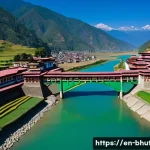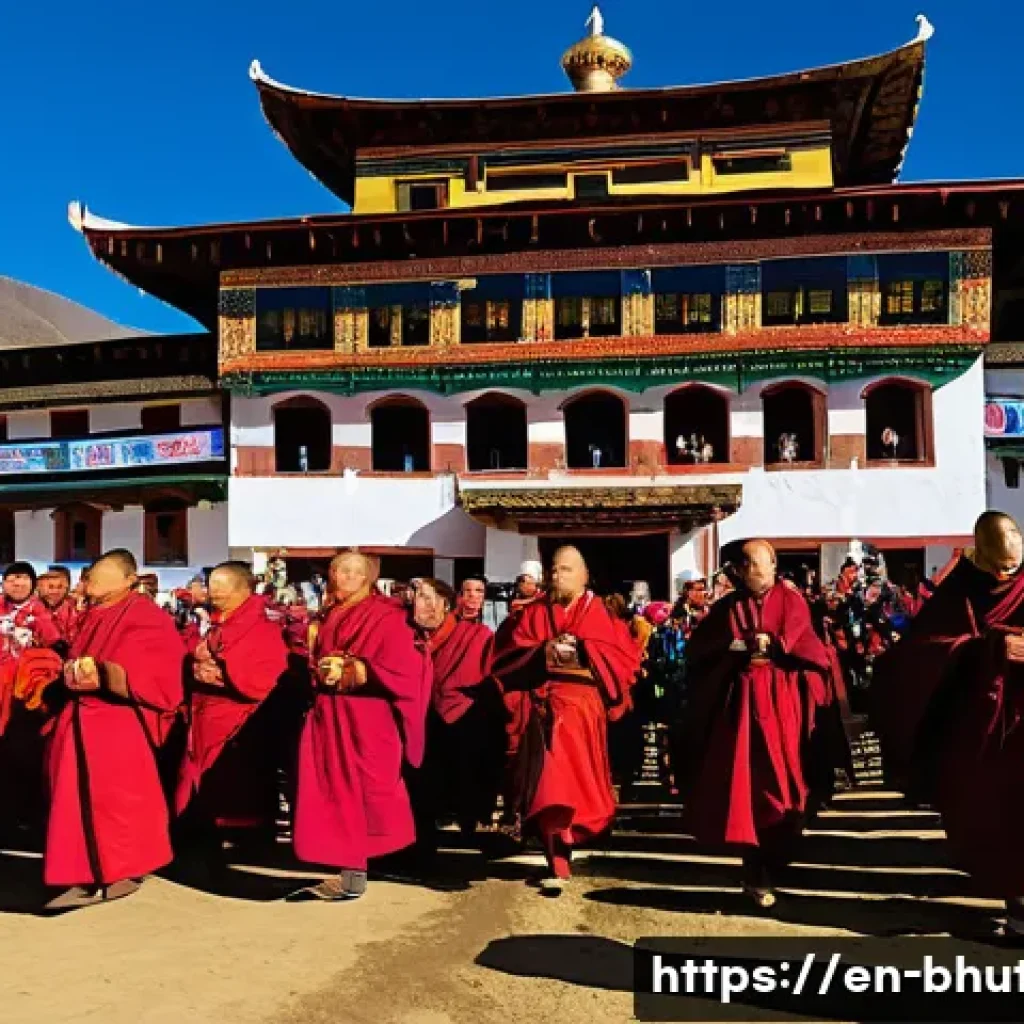
Nestled in the Himalayas, Bhutan and Tibet share a rich tapestry of cultural and spiritual connections that date back centuries. Both regions have been deeply influenced by Tibetan Buddhism, shaping their traditions, art, and daily life.
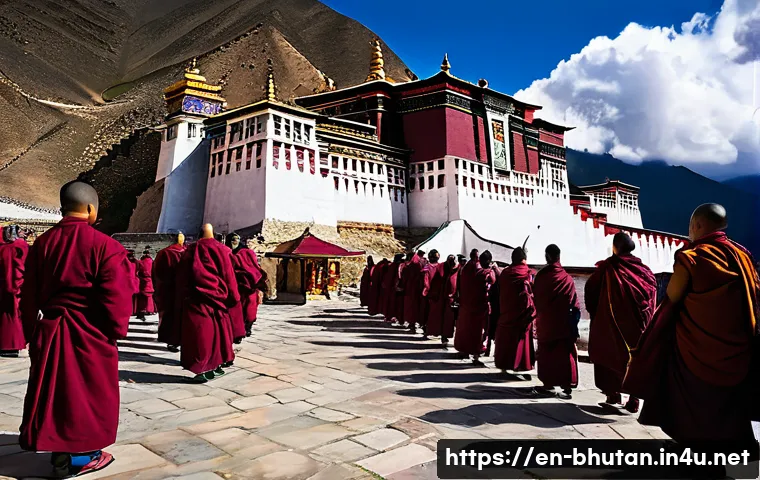
Despite their geographic proximity, their historical paths have diverged in fascinating ways, offering unique insights into Himalayan history. Exploring their relationship reveals not only shared heritage but also distinct identities shaped by geography and politics.
Let’s dive deeper and uncover the intriguing bond between Bhutan and Tibet together!
Spiritual Foundations and Religious Practices
The Role of Tibetan Buddhism in Daily Life
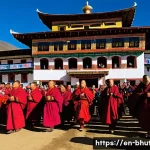
Tibetan Buddhism is the heartbeat of both Bhutan and Tibet, influencing everything from art to governance. In Bhutan, this spiritual tradition is intricately woven into the fabric of society, with monasteries dotting the landscape and monks playing vital roles in community rituals.
The daily lives of Bhutanese often begin and end with prayers and offerings, reflecting a deep reverence for Buddhist teachings. Similarly, in Tibet, Buddhism not only guides personal devotion but also shapes political structures and cultural identity.
What’s fascinating is how each region has adapted these teachings to their unique contexts—Bhutan’s approach tends to emphasize a harmonious coexistence with nature, while Tibet has historically placed a strong focus on monastic scholarship and debate.
From my visits to both regions, I’ve noticed how the spiritual ambiance permeates everyday life, creating a sense of calm and purpose that outsiders often find captivating.
Monastic Traditions and Education Systems
The monastic institutions in Bhutan and Tibet serve as pillars of education and cultural preservation. In Bhutan, monastic schools are often community-centered, teaching not only religious texts but also practical skills and traditional arts.
This holistic approach helps maintain cultural continuity while preparing monks for roles beyond the monastery walls. Tibet’s monastic education, meanwhile, is renowned for its rigorous philosophical debates and scriptural studies, a tradition that has produced some of the most influential Buddhist scholars in history.
These differences reflect broader social priorities: Bhutan’s focus leans toward integrating spiritual education with national identity, whereas Tibet emphasizes doctrinal mastery and religious leadership.
From what I’ve read and observed, both systems contribute profoundly to sustaining Tibetan Buddhism’s vitality in their respective societies.
Rituals and Festivals as Cultural Expression
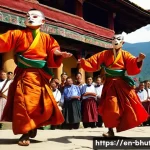
Festivals in Bhutan and Tibet offer a vibrant glimpse into how Buddhism animates cultural life. Bhutan’s colorful tshechus are not just religious observances but also opportunities for communities to gather, celebrate, and reinforce social bonds.
Masks, dances, and chants performed during these festivals narrate stories of Buddhist saints and historical events, making spirituality accessible and engaging.
Tibet’s festivals, such as Losar (Tibetan New Year), combine religious rites with communal celebrations, often lasting several days and involving intricate ceremonies.
While both regions share similar festival themes, the style and scale can vary dramatically, shaped by local customs and historical experiences. Having attended a Bhutanese tshechu, I was struck by the joyful energy and the way tradition is passed down with such enthusiasm, a feeling that’s equally palpable in Tibetan gatherings despite their distinct flavor.
Geographical Influence on Cultural Divergence
Mountainous Terrain and Isolation
The rugged Himalayas have played a crucial role in shaping the cultural landscapes of Bhutan and Tibet. Bhutan’s relatively small size and varied topography have fostered isolated communities, each developing unique dialects and customs while sharing a broader national identity.
This geographic fragmentation has encouraged a strong sense of local pride and preservation of traditions. Tibet, by contrast, with its vast plateau and more extensive territory, has experienced a more complex interplay of regional influences and external interactions.
The high-altitude environment in both places dictates lifestyle choices, from architecture adapted to harsh winters to agricultural practices suited for short growing seasons.
Personally, trekking through these regions, I’ve seen firsthand how geography dictates not only survival strategies but also cultural expressions tied to the land.
Trade Routes and Cross-Cultural Exchanges
Historically, trade routes crisscrossing the Himalayas facilitated the exchange of goods, ideas, and religious teachings between Bhutan, Tibet, and beyond.
Bhutan’s position along these routes allowed it to act as a cultural bridge between India and Tibet, absorbing influences while maintaining distinct identities.
Tibetan trade caravans transported salt, wool, and spices, creating economic interdependence that also strengthened spiritual ties. These interactions contributed to shared artistic motifs and religious practices but also introduced variations that reflect local needs and innovations.
From conversations with local traders and historians, it’s clear that these ancient routes were not just commercial highways but conduits for cultural dialogue that continue to influence the region’s identity today.
Environmental Conservation and Cultural Values
Both Bhutan and Tibet emphasize the sacredness of nature, a principle deeply embedded in their Buddhist worldview. Bhutan’s commitment to environmental conservation is world-renowned, with constitutional mandates preserving forest cover and wildlife.
This respect for nature is reflected in cultural practices that promote sustainability and spiritual reverence for the environment. Tibet also holds nature sacred, with many sacred mountains, rivers, and lakes forming pilgrimage sites.
However, political and social changes have affected environmental policies differently in Tibet. From my experience visiting Bhutan’s national parks and Tibetan sacred sites, I’ve witnessed how environmental stewardship is not only an ecological concern but a spiritual practice that underpins cultural resilience in both regions.
Artistic Expressions and Architectural Heritage
Distinctive Styles in Religious Art
The artistic traditions in Bhutan and Tibet are a feast for the eyes, deeply symbolic, and spiritually meaningful. Bhutanese art tends to emphasize bright colors and intricate patterns, often with a joyful vibrancy that reflects their optimistic worldview.
Thangka paintings, wood carvings, and textiles are crafted with meticulous care, serving as both devotional objects and cultural heirlooms. Tibetan art, while sharing many motifs, often carries a more solemn tone, with a focus on mandalas and iconography that reflect complex tantric Buddhist philosophies.
The differences in artistic expression are not just aesthetic but convey distinct spiritual emphases, something I’ve come to appreciate through museum visits and local workshops.
Architectural Marvels: Dzongs and Monasteries
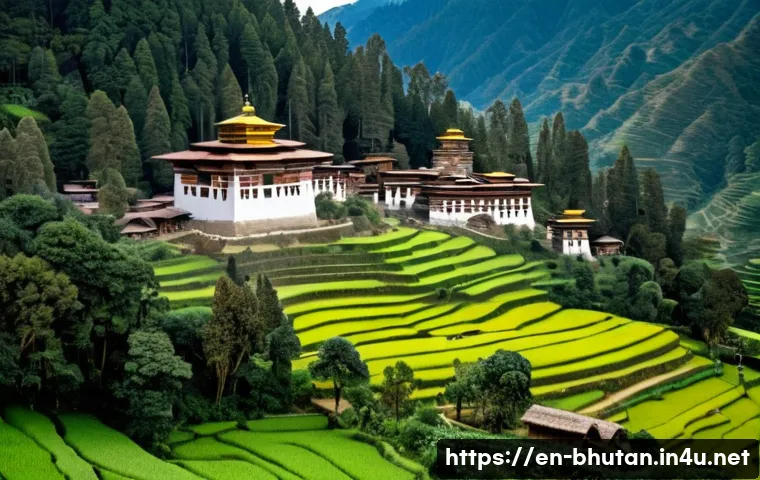
Bhutan’s dzongs—fortress-monasteries—stand as iconic symbols of national identity, blending defensive features with religious functions. These massive structures, perched on hilltops or river confluences, are architectural masterpieces combining functionality and beauty.
Tibet’s monasteries, like the Potala Palace, are grand in scale and serve as political and religious centers. While both regions build with local materials and traditional techniques, Bhutanese architecture often incorporates more timber and bright murals, whereas Tibetan buildings emphasize stonework and monumental scale.
Visiting these sites reveals how architecture in both places is a living tradition, constantly maintained and celebrated as a testament to cultural endurance.
Craftsmanship and Cultural Preservation
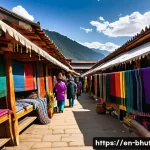
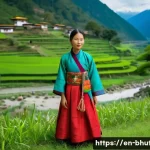
Handicrafts in Bhutan and Tibet are more than souvenirs—they are embodiments of heritage and skill passed down through generations. Bhutanese craftspeople excel in weaving, producing exquisite textiles like the kira and gho, worn with pride in everyday life and special ceremonies.
Tibetan artisans are renowned for metalwork and jewelry, crafting intricate designs that carry spiritual significance. These crafts support local economies and help preserve cultural knowledge.
During my travels, engaging with artisans revealed how deeply personal and community-oriented these crafts are, often involving rituals and stories that enrich the creative process.
Political Evolution and Identity Formation
Historical Governance Structures
The political histories of Bhutan and Tibet have taken divergent paths despite shared cultural roots. Bhutan’s monarchy, established in the early 20th century, has gradually embraced democratic reforms while maintaining strong ties to Buddhist institutions.
This blend of tradition and modernity has fostered a stable national identity centered on Gross National Happiness. Tibet’s history, marked by theocratic governance under the Dalai Lama and subsequent Chinese control, presents a more complex and contested political narrative.
These differences influence how each society views sovereignty, cultural preservation, and international relations. Reflecting on these political trajectories highlights the resilience of both peoples in navigating change while holding onto their core values.
Contemporary Challenges and Cultural Resilience
Today, both Bhutan and Tibet face challenges related to globalization, modernization, and political pressures. Bhutan carefully balances development with cultural preservation, promoting sustainable tourism and education reforms that honor tradition.
Tibet confronts issues related to cultural autonomy and religious freedoms under Chinese administration. Despite these pressures, both regions demonstrate remarkable resilience, with communities actively engaging in cultural revival and advocacy.
From conversations with locals and expatriates, it’s evident that identity in both places remains deeply tied to their spiritual and cultural heritage, fueling efforts to sustain their uniqueness amid external influences.
International Relations and Global Perceptions
Bhutan and Tibet occupy unique positions on the global stage, shaping how they interact with neighboring countries and the international community. Bhutan’s diplomatic strategy emphasizes cautious engagement, prioritizing environmental stewardship and cultural preservation over rapid economic expansion.
Tibet, with its exile government and diaspora communities, has become a symbol of cultural survival and human rights struggles worldwide. These differing approaches affect international perceptions, tourism, and foreign policy.
From attending cultural forums and reading global reports, I’ve noticed how both regions leverage their distinct identities to foster support and awareness, each telling their story in a way that resonates globally.
Comparative Overview of Bhutan and Tibet
| Aspect | Bhutan | Tibet |
|---|---|---|
| Geography | Small Himalayan kingdom with varied terrain and isolated communities | Large plateau with diverse regions and extensive cultural zones |
| Political System | Constitutional monarchy with democratic elements | Theocratic governance historically; currently under Chinese administration |
| Religious Influence | Tibetan Buddhism integrated with national identity and Gross National Happiness | Tibetan Buddhism with emphasis on monastic scholarship and spiritual leadership |
| Art and Architecture | Colorful dzongs, vibrant textiles, and joyful artistic motifs | Monumental monasteries, intricate mandalas, and solemn iconography |
| Festivals | Tshechus featuring masked dances and community celebrations | Losar and other multi-day religious and cultural festivals |
| Environmental Philosophy | Strong constitutional commitment to conservation and sustainability | Spiritual reverence for nature; environmental policies affected by political changes |
Conclusion
Exploring the spiritual, cultural, and political landscapes of Bhutan and Tibet reveals a rich tapestry shaped by history, geography, and deeply held beliefs. Both regions demonstrate remarkable resilience in preserving their unique identities amidst modern challenges. Their traditions, rituals, and environmental values continue to inspire and captivate visitors and scholars alike. Understanding these nuanced differences enriches our appreciation for their enduring cultural legacies.
Useful Information to Know
1. Tibetan Buddhism is central to both Bhutanese and Tibetan societies, influencing daily life, governance, and cultural identity.
2. Monastic education varies between Bhutan and Tibet, with Bhutan integrating practical skills and Tibet focusing on rigorous philosophical study.
3. Festivals like Bhutan’s tshechus and Tibet’s Losar are vibrant expressions of spirituality and community bonding.
4. The Himalayan geography shapes not only lifestyles but also distinct cultural developments and local traditions.
5. Environmental conservation in Bhutan is constitutionally protected, reflecting a spiritual commitment that also resonates strongly in Tibetan culture.
Key Takeaways
Bhutan and Tibet, while sharing a common Buddhist heritage, have developed distinct cultural identities shaped by their geography, political histories, and social priorities. Bhutan’s approach blends spirituality with national well-being and environmental stewardship, whereas Tibet emphasizes monastic scholarship and spiritual leadership amidst complex political realities. Both regions highlight the profound connection between religion, culture, and nature, offering valuable lessons on resilience and cultural preservation in a rapidly changing world.
Frequently Asked Questions (FAQ) 📖
Q: How has Tibetan Buddhism influenced the cultures of Bhutan and Tibet?
A: Tibetan Buddhism is the cornerstone of both Bhutanese and Tibetan cultures, deeply shaping their spiritual practices, art, festivals, and even governance.
In Bhutan, Buddhism is woven into everyday life, with monasteries and prayer flags dotting the landscape, reflecting a devotion that influences social values and national identity.
Tibet, similarly, has a rich tradition of Buddhist philosophy and monastic scholarship, which historically played a major role in shaping its societal structures.
Experiencing local festivals like Bhutan’s Tsechu or Tibet’s Monlam gives a vivid glimpse into how this shared religion continues to bind these regions culturally.
Q: What are the key differences between Bhutan and Tibet despite their shared heritage?
A: While Bhutan and Tibet share a spiritual foundation, their historical trajectories and political realities have diverged significantly. Bhutan has maintained a strong, independent monarchy and carefully balanced modernization with tradition, resulting in a unique national identity focused on Gross National Happiness.
Tibet, on the other hand, has experienced complex political upheaval, especially since the mid-20th century, impacting its autonomy and cultural expression.
Geographically, Bhutan’s smaller size and more temperate climate contrast with Tibet’s vast, high-altitude plateau, which also affects lifestyle and economic activities.
These distinctions make each region fascinatingly unique despite their common roots.
Q: Can travelers visit both Bhutan and Tibet easily to experience their cultures firsthand?
A: Visiting Bhutan and Tibet is possible but requires some planning due to their unique travel regulations. Bhutan controls tourism tightly through a daily fee system designed to protect its culture and environment, which means visitors often join guided tours.
Tibet requires a special travel permit in addition to a Chinese visa, and tourists usually must be part of an organized group with a licensed guide. While the logistics can be challenging, the immersive experience of witnessing the stunning landscapes, vibrant festivals, and spiritual heritage firsthand is incredibly rewarding.
Many travelers find the effort well worth it for the rare insight into these Himalayan jewels.