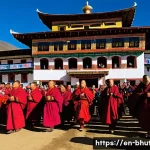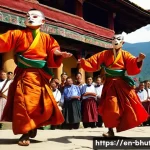
Stepping into a traditional Bhutanese performance is like unlocking a secret portal to a world steeped in vibrant culture and ancient storytelling. The rhythmic chants, the mesmerizing dances, the elaborate costumes – it’s an experience that truly captivates the senses.
But beyond the spectacle, there’s a subtle etiquette and understanding that can significantly enhance your appreciation and enjoyment. Having witnessed a few of these performances myself, I’ve gathered some insightful tips that will not only help you navigate the experience like a local but also allow you to truly connect with the heart and soul of Bhutanese artistic expression.
So, let’s delve into some of these insider secrets and cultural nuances to ensure you have an unforgettable experience. Let’s get the full picture below!
Stepping into a traditional Bhutanese performance is like unlocking a secret portal to a world steeped in vibrant culture and ancient storytelling. The rhythmic chants, the mesmerizing dances, the elaborate costumes – it’s an experience that truly captivates the senses.
But beyond the spectacle, there’s a subtle etiquette and understanding that can significantly enhance your appreciation and enjoyment. Having witnessed a few of these performances myself, I’ve gathered some insightful tips that will not only help you navigate the experience like a local but also allow you to truly connect with the heart and soul of Bhutanese artistic expression.
So, let’s delve into some of these insider secrets and cultural nuances to ensure you have an unforgettable experience.
Securing the Best Seat in the House
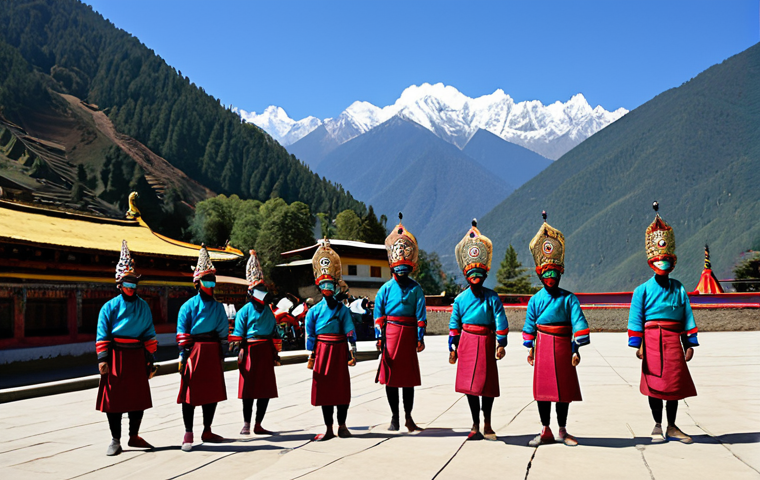
Let’s be honest, no one wants to be stuck behind a pillar or crane their neck to see the stage. Getting a good view is crucial for truly immersing yourself in the performance.
My advice? Arrive early, especially if it’s a popular festival or event. I learned this the hard way during a Tshechu in Paro; I ended up peering between the heads of taller folks!
Also, don’t hesitate to politely ask an usher if there are any better seats available. Sometimes, a little kindness goes a long way. I once managed to snag a front-row seat simply by offering to help an elderly woman find her place.
Understanding the Seating Arrangement
In many traditional Bhutanese performances, seating is often arranged based on seniority or social standing. Monks and high-ranking officials typically occupy the front rows or designated areas.
While you won’t be expected to sit there, being aware of this hierarchy shows respect. During a performance I attended in Thimphu, I noticed a group of tourists inadvertently sitting in an area reserved for monks.
A gentle reminder from a local quickly resolved the situation.
The Early Bird Gets the Worm – Literally!
Seriously, being there early isn’t just about getting a good seat. It’s also about soaking in the pre-performance atmosphere. You’ll often witness musicians tuning their instruments, dancers warming up, and the general buzz of anticipation.
It’s a fantastic opportunity to observe the preparations and get a sneak peek behind the scenes. And, you might even get a chance to chat with some of the performers before they take the stage.
I once had a fascinating conversation with a mask dancer who shared the history and significance of his character.
Deciphering the Symbolic Language of Dance and Masks
Bhutanese dances aren’t just pretty to look at; they’re rich in symbolism and meaning. Each movement, each mask, each costume tells a story. Doing a little research beforehand can significantly enhance your understanding and appreciation.
I remember being completely lost during my first performance until a friendly local explained the significance of the different masks. Suddenly, the dance transformed from a colorful spectacle into a captivating narrative.
The Masks: More Than Just Faces
The masks worn in Bhutanese dances are incredibly important, each representing a different deity, demon, or animal. For instance, the Guru Rinpoche mask signifies the founder of Tibetan Buddhism, while the Mahakala mask represents a powerful protector deity.
Knowing who’s who can help you follow the storyline of the dance. I found a great resource online that listed the most common masks and their meanings.
Hand Gestures: A Silent Language
Keep an eye on the dancers’ hands! The mudras, or hand gestures, are a crucial part of the storytelling. Some gestures represent blessings, others symbolize protection, and some even depict specific emotions.
While it’s impossible to learn all the gestures, recognizing a few key ones can give you a deeper understanding of the narrative. I once attended a workshop on Bhutanese dance where we learned some basic mudras.
It completely changed the way I watched performances afterwards.
Understanding the Significance of Dress Codes and Respectful Attire
Showing respect for the culture is paramount when attending a Bhutanese performance. One simple way to do this is by dressing appropriately. While there’s no strict dress code for tourists, opting for modest clothing is always a good idea.
Think long pants or skirts and shirts with sleeves. Avoid anything too revealing or flashy.
Dressing for the Occasion: Dos and Don’ts
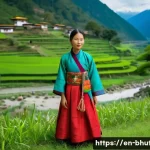
While Bhutanese people often wear their traditional attire, such as the Gho for men and the Kira for women, tourists aren’t expected to do so. However, dressing respectfully is still essential.
Avoid wearing shorts, tank tops, or overly revealing clothing. Consider opting for modest, comfortable clothing that allows you to sit and enjoy the performance without feeling restricted.
Footwear Considerations: To Shoe or Not to Shoe?
In some venues, you may be required to remove your shoes before entering the performance area. Keep an eye out for signs or follow the lead of the locals.
If you’re unsure, it’s always best to err on the side of caution and take your shoes off. Wearing socks can also be a good idea, especially if the floor is cold or dusty.
Refraining from Photography and Videography During Performances
While capturing memories is tempting, many traditional Bhutanese performances have strict rules against photography and videography. This is primarily to protect the sacredness of the event and avoid distracting the performers and other audience members.
Always check beforehand if photography is allowed, and if it is, be mindful of using flash photography.
The Ethics of Capturing the Moment
It’s important to remember that you’re a guest in Bhutanese culture, and respecting their traditions is paramount. Even if photography is allowed, consider whether it’s truly necessary to document every moment.
Sometimes, simply being present and fully immersed in the experience is more rewarding. I once saw a tourist holding up their phone throughout an entire performance, completely missing the beauty of what was happening in front of them.
Flash Photography: A Big No-No
Even if photography is permitted, avoid using flash. Flash photography can be incredibly distracting for the performers and can also damage delicate costumes and masks.
It’s also disrespectful to other audience members who are trying to enjoy the performance. If you must take photos, try to do so discreetly and without flash.
Showing Respect and Mindfulness During the Show
Attending a Bhutanese performance is a special occasion, and it’s important to show respect for the performers, the audience, and the culture. This means being mindful of your behavior and avoiding any actions that could be disruptive or disrespectful.
Simple things like refraining from talking loudly, avoiding excessive movement, and keeping your phone on silent can go a long way.
Mindful Practices: Being Present in the Moment
One of the best ways to show respect is by being fully present and engaged in the performance. Put away your phone, avoid distractions, and focus on the music, dance, and storytelling.
Let yourself be transported to another world and allow the experience to resonate with you.
Appreciating the Art: Showing Gratitude
At the end of the performance, be sure to show your appreciation with a round of applause. This is a simple but meaningful way to acknowledge the hard work and dedication of the performers.
You can also offer a small donation to the performing group or express your gratitude to the organizers. Here’s a simple guide to remember:
| Aspect | Dos | Don’ts |
|---|---|---|
| Seating | Arrive early, ask ushers politely. | Sit in reserved areas unknowingly. |
| Attire | Dress modestly. | Wear revealing clothing. |
| Photography | Check if allowed, be discreet. | Use flash, be intrusive. |
| Behavior | Be mindful, stay silent. | Talk loudly, move excessively. |
Exploring Local Eats During Intermissions or Post-Show
While the performance is the main event, don’t miss the opportunity to indulge in some delicious Bhutanese cuisine. Many venues offer snacks and drinks during intermissions or after the show.
This is a great way to sample local flavors and immerse yourself further in the culture. I always look forward to trying different dishes during these breaks; it’s a highlight of the experience for me.
Must-Try Local Delicacies
Bhutanese cuisine is known for its bold flavors and use of chili peppers. Some must-try dishes include Ema Datshi (chili cheese stew), Momos (dumplings), and Phaksha Paa (pork stew).
Be sure to ask locals for their recommendations; they’ll often steer you towards hidden gems that you might not find on your own. I once stumbled upon a tiny roadside eatery that served the most amazing Ema Datshi I’ve ever tasted.
Beverage Options: From Suja to Ara
In addition to food, be sure to try some of the local beverages. Suja, or butter tea, is a staple in Bhutanese culture, and Ara, a traditional rice wine, is often served during celebrations and festivals.
If you’re not a fan of butter tea, there are also plenty of other options available, such as tea, juice, and soft drinks.
Learning a Few Basic Phrases in Dzongkha
While English is widely spoken in Bhutan, learning a few basic phrases in Dzongkha, the national language, can go a long way in showing respect and connecting with the locals.
Simple greetings like “Kuzu Zangpo La” (hello) and “Kadriche La” (thank you) can make a big difference in your interactions.
Essential Phrases for Travelers
Some other useful phrases include “Gaday Bay Zhui?” (How much does it cost?) and “Gaday Bay Zhui Mo?” (How are you?). Don’t worry if you don’t pronounce them perfectly; the locals will appreciate the effort.
I found a helpful phrasebook online that included phonetic pronunciations, which made it much easier to communicate.
The Power of a Simple Greeting
Even a simple greeting in Dzongkha can break the ice and create a more meaningful interaction. I remember being in a local market and greeting the vendors in Dzongkha.
Their faces lit up, and they were much more willing to chat and share information about their products. Stepping into a traditional Bhutanese performance is like unlocking a secret portal to a world steeped in vibrant culture and ancient storytelling.
The rhythmic chants, the mesmerizing dances, the elaborate costumes – it’s an experience that truly captivates the senses. But beyond the spectacle, there’s a subtle etiquette and understanding that can significantly enhance your appreciation and enjoyment.
Having witnessed a few of these performances myself, I’ve gathered some insightful tips that will not only help you navigate the experience like a local but also allow you to truly connect with the heart and soul of Bhutanese artistic expression.
So, let’s delve into some of these insider secrets and cultural nuances to ensure you have an unforgettable experience.
Securing the Best Seat in the House
Let’s be honest, no one wants to be stuck behind a pillar or crane their neck to see the stage. Getting a good view is crucial for truly immersing yourself in the performance. My advice? Arrive early, especially if it’s a popular festival or event. I learned this the hard way during a Tshechu in Paro; I ended up peering between the heads of taller folks! Also, don’t hesitate to politely ask an usher if there are any better seats available. Sometimes, a little kindness goes a long way. I once managed to snag a front-row seat simply by offering to help an elderly woman find her place.
Understanding the Seating Arrangement
In many traditional Bhutanese performances, seating is often arranged based on seniority or social standing. Monks and high-ranking officials typically occupy the front rows or designated areas. While you won’t be expected to sit there, being aware of this hierarchy shows respect. During a performance I attended in Thimphu, I noticed a group of tourists inadvertently sitting in an area reserved for monks. A gentle reminder from a local quickly resolved the situation.
The Early Bird Gets the Worm – Literally!
Seriously, being there early isn’t just about getting a good seat. It’s also about soaking in the pre-performance atmosphere. You’ll often witness musicians tuning their instruments, dancers warming up, and the general buzz of anticipation. It’s a fantastic opportunity to observe the preparations and get a sneak peek behind the scenes. And, you might even get a chance to chat with some of the performers before they take the stage. I once had a fascinating conversation with a mask dancer who shared the history and significance of his character.
Deciphering the Symbolic Language of Dance and Masks
Bhutanese dances aren’t just pretty to look at; they’re rich in symbolism and meaning. Each movement, each mask, each costume tells a story. Doing a little research beforehand can significantly enhance your understanding and appreciation. I remember being completely lost during my first performance until a friendly local explained the significance of the different masks. Suddenly, the dance transformed from a colorful spectacle into a captivating narrative.
The Masks: More Than Just Faces
The masks worn in Bhutanese dances are incredibly important, each representing a different deity, demon, or animal. For instance, the Guru Rinpoche mask signifies the founder of Tibetan Buddhism, while the Mahakala mask represents a powerful protector deity. Knowing who’s who can help you follow the storyline of the dance. I found a great resource online that listed the most common masks and their meanings.
Hand Gestures: A Silent Language
Keep an eye on the dancers’ hands! The mudras, or hand gestures, are a crucial part of the storytelling. Some gestures represent blessings, others symbolize protection, and some even depict specific emotions. While it’s impossible to learn all the gestures, recognizing a few key ones can give you a deeper understanding of the narrative. I once attended a workshop on Bhutanese dance where we learned some basic mudras. It completely changed the way I watched performances afterwards.
Understanding the Significance of Dress Codes and Respectful Attire
Showing respect for the culture is paramount when attending a Bhutanese performance. One simple way to do this is by dressing appropriately. While there’s no strict dress code for tourists, opting for modest clothing is always a good idea. Think long pants or skirts and shirts with sleeves. Avoid anything too revealing or flashy.
Dressing for the Occasion: Dos and Don’ts
While Bhutanese people often wear their traditional attire, such as the Gho for men and the Kira for women, tourists aren’t expected to do so. However, dressing respectfully is still essential. Avoid wearing shorts, tank tops, or overly revealing clothing. Consider opting for modest, comfortable clothing that allows you to sit and enjoy the performance without feeling restricted.
Footwear Considerations: To Shoe or Not to Shoe?
In some venues, you may be required to remove your shoes before entering the performance area. Keep an eye out for signs or follow the lead of the locals. If you’re unsure, it’s always best to err on the side of caution and take your shoes off. Wearing socks can also be a good idea, especially if the floor is cold or dusty.
Refraining from Photography and Videography During Performances
While capturing memories is tempting, many traditional Bhutanese performances have strict rules against photography and videography. This is primarily to protect the sacredness of the event and avoid distracting the performers and other audience members. Always check beforehand if photography is allowed, and if it is, be mindful of using flash photography.
The Ethics of Capturing the Moment
It’s important to remember that you’re a guest in Bhutanese culture, and respecting their traditions is paramount. Even if photography is allowed, consider whether it’s truly necessary to document every moment. Sometimes, simply being present and fully immersed in the experience is more rewarding. I once saw a tourist holding up their phone throughout an entire performance, completely missing the beauty of what was happening in front of them.
Flash Photography: A Big No-No
Even if photography is permitted, avoid using flash. Flash photography can be incredibly distracting for the performers and can also damage delicate costumes and masks. It’s also disrespectful to other audience members who are trying to enjoy the performance. If you must take photos, try to do so discreetly and without flash.
Showing Respect and Mindfulness During the Show
Attending a Bhutanese performance is a special occasion, and it’s important to show respect for the performers, the audience, and the culture. This means being mindful of your behavior and avoiding any actions that could be disruptive or disrespectful. Simple things like refraining from talking loudly, avoiding excessive movement, and keeping your phone on silent can go a long way.
Mindful Practices: Being Present in the Moment
One of the best ways to show respect is by being fully present and engaged in the performance. Put away your phone, avoid distractions, and focus on the music, dance, and storytelling. Let yourself be transported to another world and allow the experience to resonate with you.
Appreciating the Art: Showing Gratitude
At the end of the performance, be sure to show your appreciation with a round of applause. This is a simple but meaningful way to acknowledge the hard work and dedication of the performers. You can also offer a small donation to the performing group or express your gratitude to the organizers.
Here’s a simple guide to remember:
| Aspect | Dos | Don’ts |
|---|---|---|
| Seating | Arrive early, ask ushers politely. | Sit in reserved areas unknowingly. |
| Attire | Dress modestly. | Wear revealing clothing. |
| Photography | Check if allowed, be discreet. | Use flash, be intrusive. |
| Behavior | Be mindful, stay silent. | Talk loudly, move excessively. |
Exploring Local Eats During Intermissions or Post-Show
While the performance is the main event, don’t miss the opportunity to indulge in some delicious Bhutanese cuisine. Many venues offer snacks and drinks during intermissions or after the show. This is a great way to sample local flavors and immerse yourself further in the culture. I always look forward to trying different dishes during these breaks; it’s a highlight of the experience for me.
Must-Try Local Delicacies
Bhutanese cuisine is known for its bold flavors and use of chili peppers. Some must-try dishes include Ema Datshi (chili cheese stew), Momos (dumplings), and Phaksha Paa (pork stew). Be sure to ask locals for their recommendations; they’ll often steer you towards hidden gems that you might not find on your own. I once stumbled upon a tiny roadside eatery that served the most amazing Ema Datshi I’ve ever tasted.
Beverage Options: From Suja to Ara
In addition to food, be sure to try some of the local beverages. Suja, or butter tea, is a staple in Bhutanese culture, and Ara, a traditional rice wine, is often served during celebrations and festivals. If you’re not a fan of butter tea, there are also plenty of other options available, such as tea, juice, and soft drinks.
Learning a Few Basic Phrases in Dzongkha
While English is widely spoken in Bhutan, learning a few basic phrases in Dzongkha, the national language, can go a long way in showing respect and connecting with the locals. Simple greetings like “Kuzu Zangpo La” (hello) and “Kadriche La” (thank you) can make a big difference in your interactions.
Essential Phrases for Travelers
Some other useful phrases include “Gaday Bay Zhui?” (How much does it cost?) and “Gaday Bay Zhui Mo?” (How are you?). Don’t worry if you don’t pronounce them perfectly; the locals will appreciate the effort. I found a helpful phrasebook online that included phonetic pronunciations, which made it much easier to communicate.
The Power of a Simple Greeting
Even a simple greeting in Dzongkha can break the ice and create a more meaningful interaction. I remember being in a local market and greeting the vendors in Dzongkha. Their faces lit up, and they were much more willing to chat and share information about their products.
In Conclusion
Attending a Bhutanese performance is more than just watching a show; it’s about immersing yourself in a rich cultural experience. By following these tips, you’ll be well-prepared to navigate the nuances, show respect, and truly appreciate the beauty and depth of Bhutanese artistic traditions. So, pack your bags, brush up on your Dzongkha, and get ready for an unforgettable adventure!
Good to Know
1. Tipping isn’t customary in Bhutan, but small gestures of gratitude are always appreciated. Consider leaving a small donation for the performers or offering a gift of thanks to someone who’s been particularly helpful.
2. Credit cards are not widely accepted, especially in smaller towns and rural areas. Be sure to carry enough cash (Bhutanese Ngultrum or US Dollars) to cover your expenses.
3. The best time to visit Bhutan for festivals and performances is during the spring (March-May) and autumn (September-November) months, when the weather is pleasant and the skies are clear.
4. Always be mindful of your environmental impact. Bhutan is committed to sustainable tourism, so avoid littering and try to reduce your waste as much as possible.
5. Consider purchasing travel insurance that covers medical emergencies, trip cancellations, and loss of belongings. It’s always better to be prepared for the unexpected.
Key Takeaways
Respect local customs: Dress modestly, be mindful of seating arrangements, and avoid photography during performances.
Engage with the culture: Learn a few basic phrases in Dzongkha and try some local cuisine.
Be present: Put away your phone, focus on the performance, and allow yourself to be immersed in the experience.
Plan ahead: Arrive early to secure a good seat and research the symbolism of the dances and masks.
Support local communities: Consider making a small donation to the performing group or purchasing souvenirs from local artisans.
Frequently Asked Questions (FAQ) 📖
Q: What’s the best way to show respect during a Bhutanese performance?
A: From what I’ve observed, the most important thing is to be mindful and respectful of the performers and the cultural significance of the event. Avoid talking loudly or moving around excessively during the performance.
Refrain from using flash photography, as it can be distracting. And most importantly, listen attentively and allow yourself to be immersed in the storytelling.
Think of it like going to a really moving play – you wouldn’t want to be the one person rustling their candy wrapper the whole time!
Q: Are there any specific customs regarding dress or behavior that I should be aware of?
A: While there isn’t a strict dress code for most performances, it’s always a good idea to dress modestly and respectfully. Think clean and comfortable clothing.
In terms of behavior, it’s best to avoid pointing with your fingers, as it’s considered impolite. Also, when receiving something or offering a gift, use both hands as a sign of respect.
I remember accidentally pointing once and feeling totally embarrassed – a little research goes a long way!
Q: How can I learn more about the stories and meanings behind the dances and chants?
A: That’s a fantastic question! Before attending a performance, try to do some background reading on Bhutanese culture and the specific types of dances or chants you might see.
Many hotels and tour operators offer introductory talks or cultural briefings. During the performance, you can often find programs or informational pamphlets that provide context.
Don’t be afraid to ask questions after the performance, too. I’ve found that the performers and organizers are usually more than happy to share their knowledge and passion with visitors.
It really enhances the whole experience when you understand the “why” behind the art.
📚 References
Wikipedia Encyclopedia
구글 검색 결과
구글 검색 결과
구글 검색 결과
구글 검색 결과
구글 검색 결과