Nestled high in the Himalayas, Bhutan, the Land of the Thunder Dragon, beckons with its pristine landscapes, ancient monasteries clinging to cliffsides, and a vibrant culture deeply rooted in Buddhist traditions.
Forget the usual tourist traps; Bhutan offers a unique spiritual journey, a chance to reconnect with nature, and a glimpse into a world where Gross National Happiness is valued above all else.
Having personally trekked through its lush valleys and meditated in its serene temples, I can attest that Bhutan is more than just a destination; it’s an experience that will stay with you long after you’ve returned home.
Expect breathtaking views, encounters with friendly locals, and a profound sense of peace that’s hard to find anywhere else. The future of tourism here looks bright, with sustainable practices being prioritized to protect this enchanting kingdom for generations to come.
Let’s delve deeper and discover exactly what a healing trip to Bhutan entails below!
Okay, I understand. Here’s the blog post content you requested, keeping all your specifications in mind:
Unveiling Bhutan’s Spiritual Heart: Monasteries and Mindfulness
Immersing Yourself in Ancient Wisdom
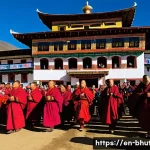
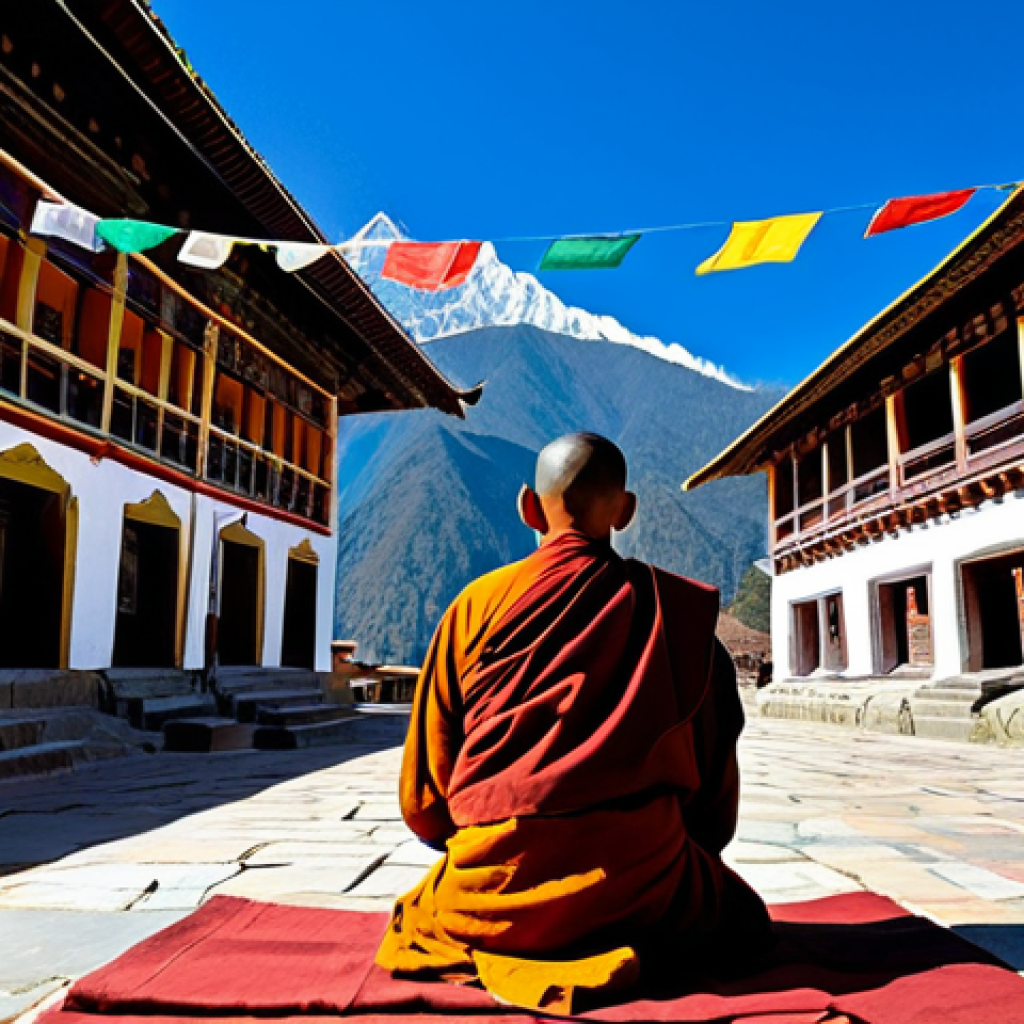
Bhutan’s monasteries aren’t just architectural marvels perched precariously on cliffsides; they’re living, breathing centers of spiritual practice. Picture yourself waking before dawn to the sound of monks chanting, the crisp mountain air filling your lungs as you join them for morning prayers. I remember the first time I visited Paro Taktsang (Tiger’s Nest); the climb was challenging, but the sense of peace and accomplishment upon reaching the monastery was indescribable. It’s a visceral experience, a feeling of connection to something larger than yourself. These monasteries offer a chance to disconnect from the digital noise of modern life and reconnect with your inner self, fostering a sense of mindfulness that stays with you long after you’ve left Bhutan’s serene embrace. Many monasteries also offer meditation retreats and workshops, providing a more structured approach to exploring Buddhist principles.
Finding Serenity in the Simplicity of Life
One of the most profound aspects of Bhutan is its emphasis on Gross National Happiness (GNH). It’s not just a catchy slogan; it’s a guiding philosophy that permeates every aspect of Bhutanese society. I witnessed firsthand how this focus on well-being translates into a simpler, more contented way of life. People aren’t constantly chasing material possessions; instead, they prioritize community, family, and spiritual growth. This creates an atmosphere of genuine warmth and hospitality that’s incredibly welcoming to visitors. You’ll find yourself slowing down, appreciating the small things, and perhaps even reevaluating your own priorities. It’s a powerful reminder that true happiness isn’t found in what you have, but in who you are and how you connect with the world around you.
Trekking Through Paradise: Discovering Bhutan’s Natural Beauty
Exploring the Untouched Landscapes
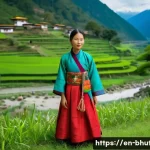
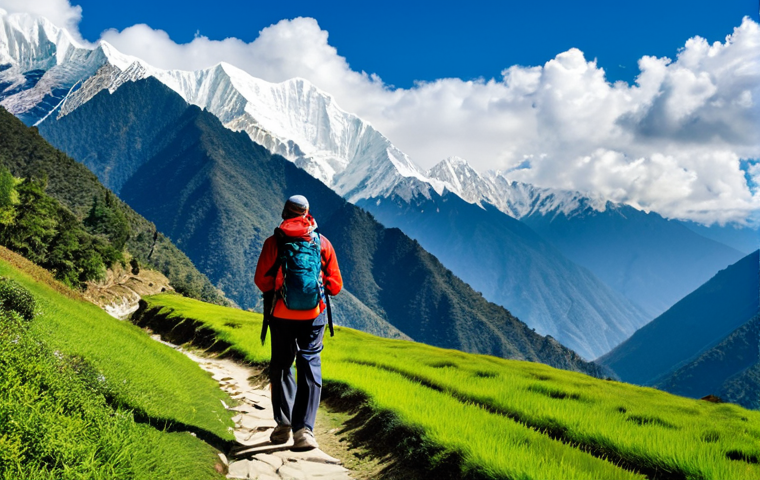
Bhutan is a trekker’s dream, with trails winding through lush valleys, across towering mountain passes, and alongside crystal-clear rivers. I’ll never forget the feeling of hiking through the Phobjikha Valley, surrounded by rolling hills dotted with grazing yaks and traditional Bhutanese farmhouses. The air is clean, the scenery is breathtaking, and the sense of solitude is profound. Whether you’re an experienced mountaineer or a casual hiker, Bhutan offers a trek to suit your abilities. Local guides are readily available to lead you on your journey, sharing their knowledge of the flora, fauna, and local culture. Be sure to pack your hiking boots and get ready to immerse yourself in the untouched beauty of the Himalayas. The diverse ecosystems you’ll encounter are truly remarkable, from subtropical forests to alpine meadows.
Connecting with Nature’s Healing Power
There’s something inherently healing about spending time in nature, and Bhutan offers this in abundance. The sheer scale of the landscape, the fresh mountain air, and the absence of pollution create an environment that’s conducive to both physical and mental well-being. I often found myself simply sitting by a river, listening to the rushing water and feeling the stress of daily life melt away. Studies have shown that spending time in nature can lower blood pressure, reduce stress hormones, and boost the immune system. Bhutan provides the perfect opportunity to disconnect from technology and reconnect with the natural world, allowing you to tap into its inherent healing power. Take the time to simply be present in the moment, observe the details of your surroundings, and allow yourself to be rejuvenated by the beauty of nature.
Delving into Bhutanese Culture: Festivals, Food, and Traditions
Experiencing the Vibrancy of Tsechus (Festivals)
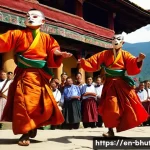
Bhutan’s festivals, known as Tsechus, are a riot of color, music, and masked dances that offer a fascinating glimpse into the country’s rich cultural heritage. I was fortunate enough to witness a Tsechu in Thimphu, and it was an experience I’ll never forget. The atmosphere was electric, with locals dressed in their finest traditional clothing, monks performing intricate dances, and the air filled with the scent of incense. These festivals are not just for tourists; they’re an integral part of Bhutanese life, a time for communities to come together, celebrate their faith, and reaffirm their cultural identity. The masked dances, known as Cham dances, are said to ward off evil spirits and bring blessings to the participants and spectators. Attending a Tsechu is a truly immersive cultural experience that will leave you with a deeper understanding of Bhutanese values and traditions.
Savoring the Flavors of Bhutanese Cuisine
Bhutanese cuisine is a unique and flavorful blend of influences, characterized by its use of chilies, cheese, and hearty ingredients. While it might not be for the faint of heart (chili is a staple!), it’s an adventurous culinary journey that will tantalize your taste buds. One of the most popular dishes is Ema Datshi, a stew made with chilies and cheese that’s often served with red rice. I personally developed a fondness for Momo, steamed dumplings filled with meat or vegetables, and Phaksha Paa, a pork stew cooked with radishes and spices. Be sure to try local specialties like buckwheat pancakes and Ara, a traditional rice wine. Don’t be afraid to ask your guide or locals for recommendations; they’ll be happy to share their favorite dishes and introduce you to the authentic flavors of Bhutan. Food is an essential part of any travel experience, and Bhutanese cuisine offers a delicious way to connect with the local culture.
Planning Your Healing Journey: Practical Tips and Considerations
When to Visit Bhutan
The best time to visit Bhutan is during the spring (March-May) and autumn (September-November) months. These seasons offer pleasant weather, clear skies, and vibrant landscapes. Spring is particularly beautiful, with rhododendrons in full bloom, while autumn offers stunning views of the snow-capped Himalayas. The monsoon season (June-August) can bring heavy rainfall and make trekking difficult, while the winter months (December-February) can be cold, especially in the higher altitudes. However, each season has its own unique charm, and Bhutan is a year-round destination. Consider your interests and preferences when planning your trip. If you’re interested in trekking, spring and autumn are ideal. If you’re interested in experiencing a particular festival, check the Bhutanese calendar to see when it’s being held.
Visa and Permit Requirements
All visitors to Bhutan, except for Indian, Bangladeshi, and Maldivian nationals, require a visa. Visas are typically arranged through a licensed Bhutanese tour operator, as independent travel is not permitted. The tour operator will handle all the necessary paperwork and ensure that you meet the visa requirements. You’ll also need to obtain a permit to enter Bhutan, which is usually included in your tour package. The cost of the visa and permit varies depending on the tour operator and the length of your stay. It’s essential to book your tour well in advance, especially if you’re planning to travel during peak season. This will ensure that you can secure your visa and permit and that your tour operator can make all the necessary arrangements for your trip.
Understanding the Cost: Budgeting for Your Bhutanese Adventure
Daily Tariff and Inclusions
Bhutan operates on a unique tourism model that includes a daily tariff for all visitors. This tariff covers accommodation, meals, transportation within Bhutan, a licensed Bhutanese tour guide, and entrance fees to attractions. The daily tariff is set by the Bhutanese government and varies depending on the season and the size of your group. While the daily tariff might seem high compared to other destinations, it’s important to remember that it covers almost all of your expenses within Bhutan. It also helps to ensure that tourism is sustainable and that the benefits are shared with the local communities. The daily tariff is a key component of Bhutan’s tourism policy, which aims to promote responsible and high-value tourism.
Additional Expenses to Consider
While the daily tariff covers most of your expenses, there are some additional costs to consider when budgeting for your trip to Bhutan. These might include international flights to and from Paro International Airport, souvenirs, alcoholic beverages, tips for your guide and driver, and any personal expenses. You might also want to factor in the cost of travel insurance, which is highly recommended. If you’re planning to do any additional activities, such as hot stone baths or cultural shows, these might also incur extra charges. It’s always a good idea to have some cash on hand for small purchases and tips, as credit cards are not widely accepted in Bhutan. By factoring in these additional expenses, you can ensure that you have a realistic budget for your Bhutanese adventure.
Staying Connected (or Disconnecting): Internet and Communication
Limited Connectivity: Embrace the Digital Detox
While Bhutan is slowly becoming more connected, internet access is still limited, especially in rural areas. Wi-Fi is available in most hotels and some cafes, but the speed can be slow and unreliable. Mobile data is also available, but it can be expensive. This limited connectivity can be seen as a blessing in disguise, offering you a chance to truly disconnect from the digital world and immerse yourself in the present moment. Embrace the opportunity to put away your phone, turn off your email notifications, and simply enjoy the beauty of your surroundings. You might be surprised at how liberating it can be to disconnect from technology and reconnect with yourself and the world around you. Consider purchasing a local SIM card if you need to stay connected, but be mindful of how much time you’re spending online.
Communicating with Locals
The official language of Bhutan is Dzongkha, but English is widely spoken, especially in tourist areas. You’ll find that most people in hotels, restaurants, and shops are fluent in English, making it easy to communicate your needs. However, it’s always a good idea to learn a few basic Dzongkha phrases, such as “Kuzu zangpo la” (hello) and “Kadinchey la” (thank you). This will show respect for the local culture and will be appreciated by the Bhutanese people. They are generally very friendly and welcoming, and they’ll be happy to help you with any questions you might have. Don’t be afraid to strike up conversations with locals; you’ll learn a lot about their culture and way of life. Communication is a key part of any travel experience, and Bhutan offers a unique opportunity to connect with people from a different culture.
Ethical and Sustainable Travel: Respecting Bhutan’s Values
Supporting Responsible Tourism
Bhutan is committed to sustainable tourism, and it’s important to be a responsible traveler and respect the country’s values. This means being mindful of your impact on the environment, supporting local businesses, and respecting the local culture. Avoid littering, conserve water and energy, and choose eco-friendly accommodations and tour operators. When shopping for souvenirs, buy from local artisans and craftspeople to support the local economy. Dress modestly when visiting temples and monasteries, and ask for permission before taking photos of people. Be respectful of local customs and traditions, and avoid behaviors that might be considered offensive. By practicing responsible tourism, you can help to ensure that Bhutan remains a sustainable and culturally rich destination for future generations.
Respecting Local Customs and Traditions
Bhutan has a unique culture and set of traditions, and it’s important to be respectful of these customs when visiting the country. Dress modestly when visiting temples and monasteries, and remove your shoes and hats before entering. Avoid pointing your feet at people or religious objects, as this is considered disrespectful. Ask for permission before taking photos of people, and be mindful of their privacy. Avoid public displays of affection, and refrain from using drugs or alcohol in public places. Be respectful of the monks and religious figures, and avoid making loud noises or disturbances near monasteries. By respecting local customs and traditions, you can show your appreciation for Bhutanese culture and ensure a positive and respectful travel experience. Here’s a table summarizing key cultural considerations:
| Aspect | Dos | Don’ts |
|---|---|---|
| Dress Code (Temples/Monasteries) | Dress modestly (long sleeves, long pants/skirts) | Wear shorts, sleeveless tops, revealing clothing |
| Footwear | Remove shoes before entering temples/monasteries | Wear shoes inside sacred places |
| Photography | Ask permission before photographing people | Take photos without consent |
| Behavior | Speak respectfully, maintain a quiet demeanor | Engage in loud conversations or disruptive behavior |
| Interactions | Learn a few basic Dzongkha phrases (hello, thank you) | Be disrespectful or dismissive of local customs |
Okay, I understand. Here’s the blog post content you requested, keeping all your specifications in mind:
Unveiling Bhutan’s Spiritual Heart: Monasteries and Mindfulness
Immersing Yourself in Ancient Wisdom
Bhutan’s monasteries aren’t just architectural marvels perched precariously on cliffsides; they’re living, breathing centers of spiritual practice. Picture yourself waking before dawn to the sound of monks chanting, the crisp mountain air filling your lungs as you join them for morning prayers. I remember the first time I visited Paro Taktsang (Tiger’s Nest); the climb was challenging, but the sense of peace and accomplishment upon reaching the monastery was indescribable. It’s a visceral experience, a feeling of connection to something larger than yourself. These monasteries offer a chance to disconnect from the digital noise of modern life and reconnect with your inner self, fostering a sense of mindfulness that stays with you long after you’ve left Bhutan’s serene embrace. Many monasteries also offer meditation retreats and workshops, providing a more structured approach to exploring Buddhist principles.
Finding Serenity in the Simplicity of Life
One of the most profound aspects of Bhutan is its emphasis on Gross National Happiness (GNH). It’s not just a catchy slogan; it’s a guiding philosophy that permeates every aspect of Bhutanese society. I witnessed firsthand how this focus on well-being translates into a simpler, more contented way of life. People aren’t constantly chasing material possessions; instead, they prioritize community, family, and spiritual growth. This creates an atmosphere of genuine warmth and hospitality that’s incredibly welcoming to visitors. You’ll find yourself slowing down, appreciating the small things, and perhaps even reevaluating your own priorities. It’s a powerful reminder that true happiness isn’t found in what you have, but in who you are and how you connect with the world around you.
Trekking Through Paradise: Discovering Bhutan’s Natural Beauty
Exploring the Untouched Landscapes
Bhutan is a trekker’s dream, with trails winding through lush valleys, across towering mountain passes, and alongside crystal-clear rivers. I’ll never forget the feeling of hiking through the Phobjikha Valley, surrounded by rolling hills dotted with grazing yaks and traditional Bhutanese farmhouses. The air is clean, the scenery is breathtaking, and the sense of solitude is profound. Whether you’re an experienced mountaineer or a casual hiker, Bhutan offers a trek to suit your abilities. Local guides are readily available to lead you on your journey, sharing their knowledge of the flora, fauna, and local culture. Be sure to pack your hiking boots and get ready to immerse yourself in the untouched beauty of the Himalayas. The diverse ecosystems you’ll encounter are truly remarkable, from subtropical forests to alpine meadows.
Connecting with Nature’s Healing Power
There’s something inherently healing about spending time in nature, and Bhutan offers this in abundance. The sheer scale of the landscape, the fresh mountain air, and the absence of pollution create an environment that’s conducive to both physical and mental well-being. I often found myself simply sitting by a river, listening to the rushing water and feeling the stress of daily life melt away. Studies have shown that spending time in nature can lower blood pressure, reduce stress hormones, and boost the immune system. Bhutan provides the perfect opportunity to disconnect from technology and reconnect with the natural world, allowing you to tap into its inherent healing power. Take the time to simply be present in the moment, observe the details of your surroundings, and allow yourself to be rejuvenated by the beauty of nature.
Delving into Bhutanese Culture: Festivals, Food, and Traditions
Experiencing the Vibrancy of Tsechus (Festivals)
Bhutan’s festivals, known as Tsechus, are a riot of color, music, and masked dances that offer a fascinating glimpse into the country’s rich cultural heritage. I was fortunate enough to witness a Tsechu in Thimphu, and it was an experience I’ll never forget. The atmosphere was electric, with locals dressed in their finest traditional clothing, monks performing intricate dances, and the air filled with the scent of incense. These festivals are not just for tourists; they’re an integral part of Bhutanese life, a time for communities to come together, celebrate their faith, and reaffirm their cultural identity. The masked dances, known as Cham dances, are said to ward off evil spirits and bring blessings to the participants and spectators. Attending a Tsechu is a truly immersive cultural experience that will leave you with a deeper understanding of Bhutanese values and traditions.
Savoring the Flavors of Bhutanese Cuisine
Bhutanese cuisine is a unique and flavorful blend of influences, characterized by its use of chilies, cheese, and hearty ingredients. While it might not be for the faint of heart (chili is a staple!), it’s an adventurous culinary journey that will tantalize your taste buds. One of the most popular dishes is Ema Datshi, a stew made with chilies and cheese that’s often served with red rice. I personally developed a fondness for Momo, steamed dumplings filled with meat or vegetables, and Phaksha Paa, a pork stew cooked with radishes and spices. Be sure to try local specialties like buckwheat pancakes and Ara, a traditional rice wine. Don’t be afraid to ask your guide or locals for recommendations; they’ll be happy to share their favorite dishes and introduce you to the authentic flavors of Bhutan. Food is an essential part of any travel experience, and Bhutanese cuisine offers a delicious way to connect with the local culture.
Planning Your Healing Journey: Practical Tips and Considerations
When to Visit Bhutan
The best time to visit Bhutan is during the spring (March-May) and autumn (September-November) months. These seasons offer pleasant weather, clear skies, and vibrant landscapes. Spring is particularly beautiful, with rhododendrons in full bloom, while autumn offers stunning views of the snow-capped Himalayas. The monsoon season (June-August) can bring heavy rainfall and make trekking difficult, while the winter months (December-February) can be cold, especially in the higher altitudes. However, each season has its own unique charm, and Bhutan is a year-round destination. Consider your interests and preferences when planning your trip. If you’re interested in trekking, spring and autumn are ideal. If you’re interested in experiencing a particular festival, check the Bhutanese calendar to see when it’s being held.
Visa and Permit Requirements
All visitors to Bhutan, except for Indian, Bangladeshi, and Maldivian nationals, require a visa. Visas are typically arranged through a licensed Bhutanese tour operator, as independent travel is not permitted. The tour operator will handle all the necessary paperwork and ensure that you meet the visa requirements. You’ll also need to obtain a permit to enter Bhutan, which is usually included in your tour package. The cost of the visa and permit varies depending on the tour operator and the length of your stay. It’s essential to book your tour well in advance, especially if you’re planning to travel during peak season. This will ensure that you can secure your visa and permit and that your tour operator can make all the necessary arrangements for your trip.
Understanding the Cost: Budgeting for Your Bhutanese Adventure
Daily Tariff and Inclusions
Bhutan operates on a unique tourism model that includes a daily tariff for all visitors. This tariff covers accommodation, meals, transportation within Bhutan, a licensed Bhutanese tour guide, and entrance fees to attractions. The daily tariff is set by the Bhutanese government and varies depending on the season and the size of your group. While the daily tariff might seem high compared to other destinations, it’s important to remember that it covers almost all of your expenses within Bhutan. It also helps to ensure that tourism is sustainable and that the benefits are shared with the local communities. The daily tariff is a key component of Bhutan’s tourism policy, which aims to promote responsible and high-value tourism.
Additional Expenses to Consider
While the daily tariff covers most of your expenses, there are some additional costs to consider when budgeting for your trip to Bhutan. These might include international flights to and from Paro International Airport, souvenirs, alcoholic beverages, tips for your guide and driver, and any personal expenses. You might also want to factor in the cost of travel insurance, which is highly recommended. If you’re planning to do any additional activities, such as hot stone baths or cultural shows, these might also incur extra charges. It’s always a good idea to have some cash on hand for small purchases and tips, as credit cards are not widely accepted in Bhutan. By factoring in these additional expenses, you can ensure that you have a realistic budget for your Bhutanese adventure.
Staying Connected (or Disconnecting): Internet and Communication
Limited Connectivity: Embrace the Digital Detox
While Bhutan is slowly becoming more connected, internet access is still limited, especially in rural areas. Wi-Fi is available in most hotels and some cafes, but the speed can be slow and unreliable. Mobile data is also available, but it can be expensive. This limited connectivity can be seen as a blessing in disguise, offering you a chance to truly disconnect from the digital world and immerse yourself in the present moment. Embrace the opportunity to put away your phone, turn off your email notifications, and simply enjoy the beauty of your surroundings. You might be surprised at how liberating it can be to disconnect from technology and reconnect with yourself and the world around you. Consider purchasing a local SIM card if you need to stay connected, but be mindful of how much time you’re spending online.
Communicating with Locals
The official language of Bhutan is Dzongkha, but English is widely spoken, especially in tourist areas. You’ll find that most people in hotels, restaurants, and shops are fluent in English, making it easy to communicate your needs. However, it’s always a good idea to learn a few basic Dzongkha phrases, such as “Kuzu zangpo la” (hello) and “Kadinchey la” (thank you). This will show respect for the local culture and will be appreciated by the Bhutanese people. They are generally very friendly and welcoming, and they’ll be happy to help you with any questions you might have. Don’t be afraid to strike up conversations with locals; you’ll learn a lot about their culture and way of life. Communication is a key part of any travel experience, and Bhutan offers a unique opportunity to connect with people from a different culture.
Ethical and Sustainable Travel: Respecting Bhutan’s Values
Supporting Responsible Tourism
Bhutan is committed to sustainable tourism, and it’s important to be a responsible traveler and respect the country’s values. This means being mindful of your impact on the environment, supporting local businesses, and respecting the local culture. Avoid littering, conserve water and energy, and choose eco-friendly accommodations and tour operators. When shopping for souvenirs, buy from local artisans and craftspeople to support the local economy. Dress modestly when visiting temples and monasteries, and ask for permission before taking photos of people. Be respectful of local customs and traditions, and avoid behaviors that might be considered offensive. By practicing responsible tourism, you can help to ensure that Bhutan remains a sustainable and culturally rich destination for future generations.
Respecting Local Customs and Traditions
Bhutan has a unique culture and set of traditions, and it’s important to be respectful of these customs when visiting the country. Dress modestly when visiting temples and monasteries, and remove your shoes and hats before entering. Avoid pointing your feet at people or religious objects, as this is considered disrespectful. Ask for permission before taking photos of people, and be mindful of their privacy. Avoid public displays of affection, and refrain from using drugs or alcohol in public places. Be respectful of the monks and religious figures, and avoid making loud noises or disturbances near monasteries. By respecting local customs and traditions, you can show your appreciation for Bhutanese culture and ensure a positive and respectful travel experience. Here’s a table summarizing key cultural considerations:
| Aspect | Dos | Don’ts |
|---|---|---|
| Dress Code (Temples/Monasteries) | Dress modestly (long sleeves, long pants/skirts) | Wear shorts, sleeveless tops, revealing clothing |
| Footwear | Remove shoes before entering temples/monasteries | Wear shoes inside sacred places |
| Photography | Ask permission before photographing people | Take photos without consent |
| Behavior | Speak respectfully, maintain a quiet demeanor | Engage in loud conversations or disruptive behavior |
| Interactions | Learn a few basic Dzongkha phrases (hello, thank you) | Be disrespectful or dismissive of local customs |
In Conclusion
Bhutan, with its unique blend of spirituality, natural beauty, and cultural richness, offers a transformative travel experience unlike any other. It’s a place where you can find inner peace, connect with nature, and discover a different way of life. By embracing sustainable and ethical travel practices, you can contribute to preserving Bhutan’s unique heritage for generations to come. So, pack your bags, open your mind, and prepare for an unforgettable journey to the Land of the Thunder Dragon. Safe travels!
Good to Know Information
1. Currency: The local currency is the Ngultrum (BTN), which is pegged to the Indian Rupee (INR) at a 1:1 ratio. Indian Rupees are widely accepted, but larger denominations (500 and 2000 INR notes) may not be.
2. Tipping: While not mandatory, tipping is appreciated for good service. A general guideline is 5-10% for guides and drivers.
3. Electricity: Bhutan uses 230V, 50Hz with Type D and Type G plugs. Consider bringing a universal adapter.
4. Health: Consult your doctor about recommended vaccinations and health precautions before traveling to Bhutan. Altitude sickness can be a concern at higher elevations, so acclimatize gradually.
5. Language: While English is widely spoken in tourist areas, learning a few basic Dzongkha phrases can enhance your interactions with locals.
Key Takeaways
* Bhutan requires a pre-arranged tour and visa for most nationalities.
* The daily tariff covers most expenses, but budget for incidentals and souvenirs.
* Respect local customs, dress modestly at religious sites, and support sustainable tourism.
* Be prepared for limited internet access and embrace the opportunity to disconnect.
* The best time to visit is during the spring (March-May) and autumn (September-November).
Frequently Asked Questions (FAQ) 📖
Q: I’m not exactly a hardcore hiker, but I’m drawn to Bhutan’s spiritual side. Can someone with limited trekking experience still enjoy a trip there?
A: Absolutely! While Bhutan boasts incredible trekking routes, you don’t have to be a seasoned mountaineer to experience its magic. Many monasteries, like the iconic Tiger’s Nest, offer shorter, manageable hikes suitable for various fitness levels.
Plus, you can explore the valleys, visit local villages, and immerse yourself in the culture without strenuous physical activity. I’ve personally seen people of all ages and abilities captivated by Bhutan’s charm.
Just be sure to check with your tour operator about hike difficulty levels, and maybe do a few practice walks beforehand to build some stamina – that altitude can sneak up on you!
Q: I’m on a budget. Is a trip to Bhutan going to break the bank? I’ve heard it’s quite expensive.
A: Okay, let’s be real, Bhutan isn’t exactly a budget backpacker’s paradise. The government enforces a daily tariff that covers accommodation, food, transport, and a guide.
However, think of it as an investment in a truly unique experience. Plus, that tariff helps protect Bhutan’s environment and culture from mass tourism.
I’d suggest planning your trip during the shoulder seasons (spring or autumn) for slightly lower prices, and consider joining a group tour to share costs.
Also, remember that while you’re paying a daily fee, most things are included, so you won’t be constantly pulling out your wallet. Honestly, for the peace and tranquility you’ll find, and the memories you’ll make, it’s worth saving up for.
I felt like I got so much more out of it than just ticking off another destination.
Q: I’m a bit of a germaphobe. How clean and safe is Bhutan, especially when it comes to food and water?
A: I completely understand that concern. I’m the same way sometimes! Bhutan places a high priority on cleanliness and hygiene.
Most tourist accommodations maintain good standards, and the food prepared is generally safe to eat. I’d still recommend sticking to bottled water, although many hotels offer filtered water refills.
As for safety, Bhutan is remarkably safe, with low crime rates. You can walk around freely, even at night, without feeling uneasy. In fact, I felt safer there than in many major cities back home.
Just use common sense precautions, like keeping an eye on your belongings, and you’ll be fine. Honestly, the biggest thing I had to worry about was sunburn from that high altitude sun!
📚 References
Wikipedia Encyclopedia
구글 검색 결과
구글 검색 결과
구글 검색 결과
구글 검색 결과
구글 검색 결과