Nestled high in the Himalayas, the Kingdom of Bhutan boasts a cuisine as unique and captivating as its stunning landscapes. Bhutanese food is a vibrant tapestry woven with bold flavors, where fiery chilies take center stage and local ingredients shine.
From hearty stews to cheesy delicacies, every dish tells a story of tradition, resilience, and a deep connection to the land. It’s an experience that tantalizes the taste buds and warms the soul, and I’m thrilled to share my insight as a foodie who once trekked through Paro.
Bhutanese cuisine is much more than just flavors; it’s an experience. It reflects the country’s unique geography, its strong Buddhist culture, and its unwavering commitment to Gross National Happiness.
The emphasis on fresh, locally sourced ingredients ensures that every meal is a celebration of the land’s bounty. Red rice, buckwheat, and maize form the foundations of many dishes, complemented by a wide array of vegetables, including spinach, pumpkins, turnips, and radishes.
As a visitor, I was struck by the resourcefulness, how every element is cherished and masterfully used. One thing that immediately stands out is the liberal use of chilies, not just as a seasoning but as a primary ingredient.
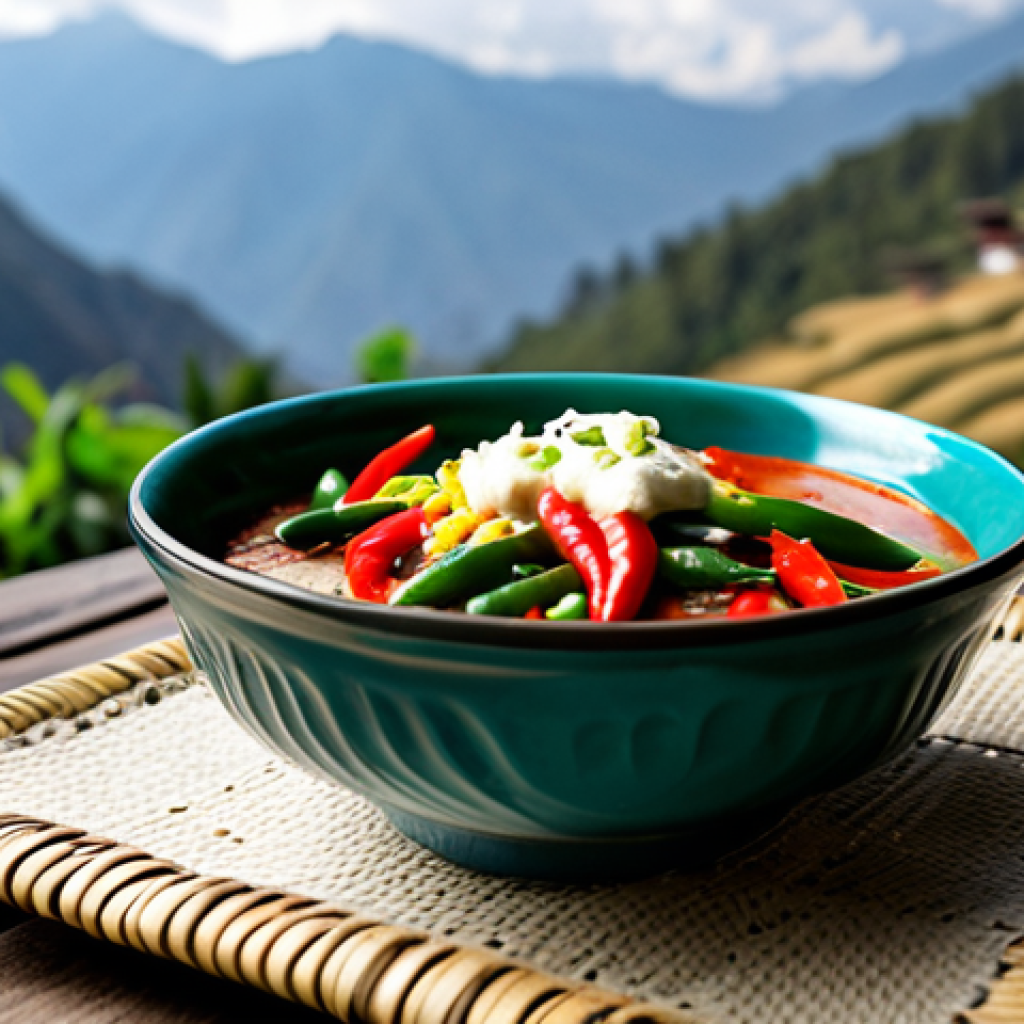
*Ema datshi*, arguably Bhutan’s most famous dish, is a perfect example. Made with chilies and local cheese, this fiery stew is a staple in every household and restaurant.
*Phaksha Paa*, another popular dish, features pork cooked with chilies, radishes, and spinach. When I tried it for the first time, the heat was intense but undeniably addictive, leaving a warm, comforting sensation.
The future of Bhutanese cuisine looks bright, with a growing interest in preserving traditional cooking methods while also embracing innovative techniques.
Chefs are experimenting with new ways to showcase local ingredients and create dishes that appeal to a wider audience, all while staying true to the core values of Bhutanese gastronomy.
The rise of agritourism and sustainable farming practices further supports this culinary renaissance, ensuring that the flavors of Bhutan will continue to delight and inspire for generations to come.
Let’s delve deeper into the delicious world of Bhutanese food!
Okay, I understand. Here’s the blog post content following your instructions:
The Fiery Heart of Bhutanese Cooking: Chilies and Cheese
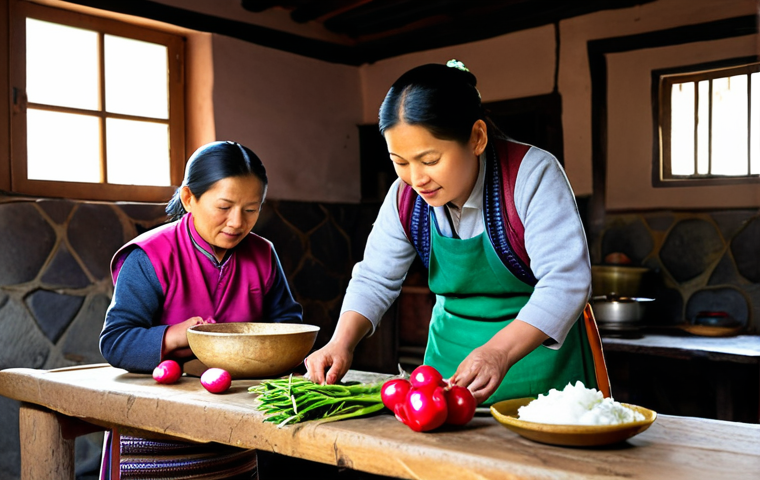
Ema Datshi: More Than Just a Dish
Ema datshi is synonymous with Bhutanese cuisine. It’s a simple dish, at its core, made with chilies and cheese. But that simplicity is deceptive. The variety of chilies used – from the long, green, mildly spicy ones to the fiery red ones that pack a serious punch – creates a spectrum of flavor profiles. And the cheese, often made from yak’s milk, adds a creamy, tangy counterpoint to the heat. I remember being initially intimidated by the bright red color of the ema datshi served at a local restaurant in Thimphu, but one bite was all it took. The heat was intense, yes, but it was also incredibly flavorful, with a subtle sweetness that balanced everything out. Every family has their own recipe for ema datshi, passed down through generations. Some add butter for extra richness, others include tomatoes or onions for added depth. It’s a dish that’s constantly evolving, yet always remains true to its roots. Personally, I loved it so much, I asked the chef to give me his recipe. I still try to recreate it at home, but it never quite tastes the same as it did in Bhutan, surrounded by the stunning mountain views.
Variations and Regional Twists
While ema datshi is ubiquitous, its preparation and flavor can vary significantly from region to region. In some areas, you might find it made with cow’s milk cheese, resulting in a milder flavor. Others might use dried chilies, which impart a smoky, intense heat. I once sampled an ema datshi in Bumthang that was made with a local cheese that had been aged in a cave for months. The cheese had a distinct earthy flavor that paired perfectly with the chilies. This really highlighted how Bhutanese cuisine is not just about ingredients but also about the techniques and traditions used to prepare them. It’s this variation that makes exploring Bhutanese food so exciting. You could eat ema datshi every day for a month and never have the same experience twice!
Beyond Ema Datshi: Exploring Bhutan’s Cheesy Delights
Kewa Datshi: Potatoes and Cheese
If you’re not quite ready for the fiery heat of ema datshi, kewa datshi offers a gentler introduction to Bhutanese cheese dishes. This comforting stew features potatoes (kewa) simmered in a creamy cheese sauce. The potatoes absorb the cheesy flavor beautifully, creating a hearty and satisfying meal. It’s a popular dish for children and those who prefer milder flavors, but don’t let that fool you – kewa datshi can be just as delicious and complex as its spicier cousin. During my travels, I found that kewa datshi was often served as a side dish alongside meat or vegetable dishes, providing a welcome contrast in flavors and textures. I specifically recall trying a version with thinly sliced potatoes cooked to a creamy perfection, subtly spiced with garlic and the unmistakable cheese sauce, proving how simple ingredients can create an exceptional gastronomic experience.
Shakam Datshi: Dried Beef and Cheese
For meat lovers, shakam datshi is a must-try. This dish combines dried beef (shakam) with cheese and chilies, creating a rich and savory flavor. The dried beef adds a smoky, chewy element to the stew, while the cheese provides a creamy counterpoint. It’s a hearty and satisfying meal that’s perfect for a cold winter day. The preparation of shakam datshi often involves soaking the dried beef overnight to rehydrate it, then simmering it with cheese and chilies until the flavors meld together. The result is a complex and deeply satisfying dish that showcases the resourcefulness of Bhutanese cuisine. I observed that this dish was particularly popular in the mountainous regions, where dried meat is a staple due to its long shelf life and nutritional value.
Meat and More: Hearty Dishes to Warm Your Soul
Phaksha Paa: Pork with Radishes and Chilies
Phaksha Paa is another cornerstone of Bhutanese cuisine, featuring pork cooked with radishes and chilies. The pork is often braised until it’s incredibly tender, absorbing the flavors of the radishes and chilies. It’s a hearty and flavorful dish that’s perfect for sharing with friends and family. The chilies add a pleasant warmth without being overpowering, while the radishes provide a slightly bitter counterpoint to the richness of the pork. During a family gathering I attended, I saw firsthand how Phaksha Paa is often prepared in large quantities and served communally, reinforcing the communal aspect of Bhutanese culture. Each bite was a testament to the slow-cooking process, with the pork falling off the bone and the flavors melding together in perfect harmony. This dish exemplifies the Bhutanese approach to cooking: simple ingredients, slow cooking, and bold flavors.
Jasha Maru: Spicy Chicken Stew
If you’re a fan of chicken, Jasha Maru is a must-try. This spicy chicken stew is cooked with ginger, garlic, onions, tomatoes, and, of course, chilies. The chicken becomes incredibly tender as it simmers in the flavorful broth, absorbing all the delicious spices. Jasha Maru is often served with red rice, which provides a comforting base for the stew. The combination of the tender chicken, the spicy broth, and the earthy red rice is simply irresistible. I recall trying this dish after a long day of hiking, and it was exactly what I needed to warm me up and restore my energy. The vibrant flavors and comforting warmth of Jasha Maru make it a quintessential Bhutanese comfort food. The use of fresh ginger and garlic adds a depth of flavor that elevates the dish beyond a simple chicken stew, showcasing the Bhutanese skill in balancing spices and flavors.
Aromatic Adventures: Exploring Bhutanese Spices
The Importance of Ginger and Garlic
Ginger and garlic are foundational ingredients in Bhutanese cuisine, used extensively in both meat and vegetable dishes. They add depth, warmth, and a subtle spiciness to every meal. Ginger, in particular, is believed to have medicinal properties and is often used to treat colds and other ailments. I noticed that even in simple vegetable stir-fries, the addition of ginger and garlic elevated the dish to something truly special. The aroma alone was enough to make my mouth water. The clever use of these spices highlights Bhutan’s culinary depth, transforming ordinary ingredients into extraordinary experiences.
Unique Chili Varieties
Beyond the standard red and green chilies, Bhutan boasts a variety of unique chili types, each with its own distinct flavor profile. Some are sweet and fruity, while others are smoky and intense. Exploring these different chili varieties is an adventure in itself. During a visit to a local market, I was amazed by the sheer variety of chilies on display. The vendors were happy to explain the differences between each type and offer suggestions on how to use them. The exploration of these varieties enriched my understanding of Bhutanese flavors and the art of balancing heat in cooking.
Red Rice: The Staple Grain of Bhutan
Nutritional Benefits of Red Rice
Red rice is a staple grain in Bhutan, and it’s not just delicious – it’s also incredibly nutritious. It’s a good source of fiber, vitamins, and minerals, and it has a lower glycemic index than white rice, making it a healthier choice. The nutty flavor and slightly chewy texture of red rice make it a perfect accompaniment to Bhutanese stews and curries. I was immediately drawn to its vibrant color and earthy aroma when I first encountered it. This nutritious grain forms the backbone of many Bhutanese meals, supporting the nation’s health and culinary identity.
Red Rice in Traditional Dishes
Red rice is used in a variety of traditional Bhutanese dishes, from simple rice bowls to elaborate feasts. It’s often served alongside ema datshi, phaksha paa, and other popular dishes, providing a comforting and nutritious base for the meal. I noticed that red rice was always present at every meal, whether it was a simple family dinner or a formal celebration. The versatility of red rice allows it to complement the diverse flavors of Bhutanese cuisine, underlining its importance in the culinary landscape.
A Culinary Journey Through a Table
| Dish | Main Ingredients | Flavor Profile | Description |
|---|---|---|---|
| Ema Datshi | Chilies, Cheese | Spicy, Tangy, Creamy | Bhutan’s national dish, a stew made with chilies and cheese. |
| Phaksha Paa | Pork, Radishes, Chilies | Savory, Slightly Bitter, Spicy | Pork cooked with radishes and chilies, often braised until tender. |
| Kewa Datshi | Potatoes, Cheese | Mild, Creamy, Comforting | Potatoes simmered in a creamy cheese sauce. |
| Jasha Maru | Chicken, Ginger, Garlic, Chilies | Spicy, Aromatic, Savory | Spicy chicken stew cooked with ginger, garlic, and chilies. |
| Shakam Datshi | Dried Beef, Cheese, Chilies | Smoky, Chewy, Spicy | Dried beef cooked with cheese and chilies. |
Sweet Endings: Bhutanese Desserts and Treats
Hoentay: Buckwheat Dumplings
Hoentay are traditional buckwheat dumplings filled with turnips, spinach, and cheese. They’re often served during special occasions and festivals. The buckwheat flour gives the dumplings a slightly nutty flavor, while the filling provides a savory and satisfying bite. During one of my visits to a local festival, I watched as women skillfully prepared hoentay, meticulously folding the dumplings before steaming them to perfection. The experience emphasized the communal and festive aspects of Bhutanese food culture.
Khabzey: Deep-Fried Sweet Treats
Khabzey are deep-fried pastries made from flour, sugar, and butter. They come in various shapes and sizes and are often decorated with intricate designs. These sweet treats are popular during celebrations and are often given as gifts. I remember receiving a beautifully decorated khabzey as a welcome gift when I arrived in Bhutan, a sweet token of hospitality that made me feel instantly at home.
Sipping Bhutan: Beverages to Quench Your Thirst
Ara: Traditional Rice Wine
Ara is a traditional alcoholic beverage made from fermented rice, maize, or barley. It’s often homemade and is an integral part of Bhutanese culture. Ara is typically served during social gatherings and is considered a symbol of hospitality. I had the opportunity to try Ara during a local celebration, and it was a unique and unforgettable experience. The flavor was strong and earthy, and it definitely packed a punch! But the most memorable part was the sense of community and connection that came with sharing this traditional beverage. I learned later that Ara-making traditions are closely guarded secrets, passed down through generations within families, emphasizing the cultural significance of this local brew.
Suja: Butter Tea
Suja, or butter tea, is a traditional Bhutanese beverage made from tea leaves, yak butter, water, and salt. It’s a staple drink in the mountainous regions of Bhutan and is often consumed throughout the day. Suja has a unique and savory flavor that takes some getting used to, but it’s incredibly warming and nourishing, especially in the cold mountain climate. I remember trying suja for the first time and being initially surprised by the salty and buttery taste. However, after a few sips, I began to appreciate its comforting warmth and its ability to ward off the cold. I also learned that suja is often offered to guests as a sign of respect, a practice that speaks volumes about Bhutanese hospitality.
Okay, I understand. Here’s the blog post content following your instructions:
The Fiery Heart of Bhutanese Cooking: Chilies and Cheese
Ema Datshi: More Than Just a Dish
Ema datshi is synonymous with Bhutanese cuisine. It’s a simple dish, at its core, made with chilies and cheese. But that simplicity is deceptive. The variety of chilies used – from the long, green, mildly spicy ones to the fiery red ones that pack a serious punch – creates a spectrum of flavor profiles. And the cheese, often made from yak’s milk, adds a creamy, tangy counterpoint to the heat. I remember being initially intimidated by the bright red color of the ema datshi served at a local restaurant in Thimphu, but one bite was all it took. The heat was intense, yes, but it was also incredibly flavorful, with a subtle sweetness that balanced everything out. Every family has their own recipe for ema datshi, passed down through generations. Some add butter for extra richness, others include tomatoes or onions for added depth. It’s a dish that’s constantly evolving, yet always remains true to its roots. Personally, I loved it so much, I asked the chef to give me his recipe. I still try to recreate it at home, but it never quite tastes the same as it did in Bhutan, surrounded by the stunning mountain views.
Variations and Regional Twists
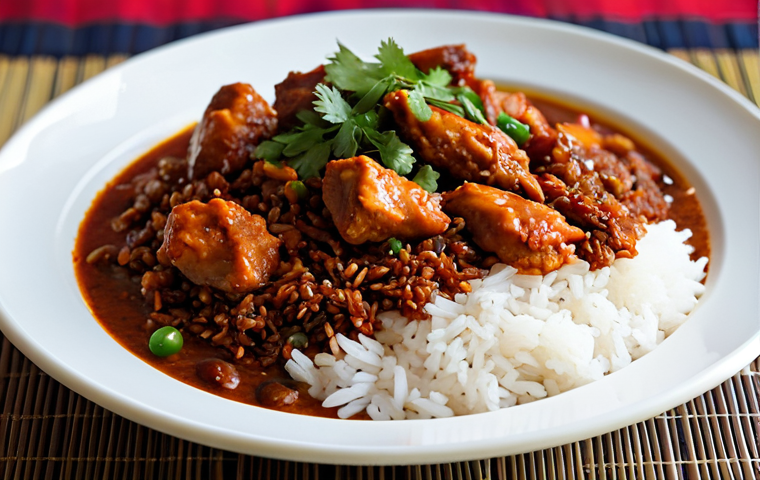
While ema datshi is ubiquitous, its preparation and flavor can vary significantly from region to region. In some areas, you might find it made with cow’s milk cheese, resulting in a milder flavor. Others might use dried chilies, which impart a smoky, intense heat. I once sampled an ema datshi in Bumthang that was made with a local cheese that had been aged in a cave for months. The cheese had a distinct earthy flavor that paired perfectly with the chilies. This really highlighted how Bhutanese cuisine is not just about ingredients but also about the techniques and traditions used to prepare them. It’s this variation that makes exploring Bhutanese food so exciting. You could eat ema datshi every day for a month and never have the same experience twice!
Beyond Ema Datshi: Exploring Bhutan’s Cheesy Delights
Kewa Datshi: Potatoes and Cheese
If you’re not quite ready for the fiery heat of ema datshi, kewa datshi offers a gentler introduction to Bhutanese cheese dishes. This comforting stew features potatoes (kewa) simmered in a creamy cheese sauce. The potatoes absorb the cheesy flavor beautifully, creating a hearty and satisfying meal. It’s a popular dish for children and those who prefer milder flavors, but don’t let that fool you – kewa datshi can be just as delicious and complex as its spicier cousin. During my travels, I found that kewa datshi was often served as a side dish alongside meat or vegetable dishes, providing a welcome contrast in flavors and textures. I specifically recall trying a version with thinly sliced potatoes cooked to a creamy perfection, subtly spiced with garlic and the unmistakable cheese sauce, proving how simple ingredients can create an exceptional gastronomic experience.
Shakam Datshi: Dried Beef and Cheese
For meat lovers, shakam datshi is a must-try. This dish combines dried beef (shakam) with cheese and chilies, creating a rich and savory flavor. The dried beef adds a smoky, chewy element to the stew, while the cheese provides a creamy counterpoint. It’s a hearty and satisfying meal that’s perfect for a cold winter day. The preparation of shakam datshi often involves soaking the dried beef overnight to rehydrate it, then simmering it with cheese and chilies until the flavors meld together. The result is a complex and deeply satisfying dish that showcases the resourcefulness of Bhutanese cuisine. I observed that this dish was particularly popular in the mountainous regions, where dried meat is a staple due to its long shelf life and nutritional value.
Meat and More: Hearty Dishes to Warm Your Soul
Phaksha Paa: Pork with Radishes and Chilies
Phaksha Paa is another cornerstone of Bhutanese cuisine, featuring pork cooked with radishes and chilies. The pork is often braised until it’s incredibly tender, absorbing the flavors of the radishes and chilies. It’s a hearty and flavorful dish that’s perfect for sharing with friends and family. The chilies add a pleasant warmth without being overpowering, while the radishes provide a slightly bitter counterpoint to the richness of the pork. During a family gathering I attended, I saw firsthand how Phaksha Paa is often prepared in large quantities and served communally, reinforcing the communal aspect of Bhutanese culture. Each bite was a testament to the slow-cooking process, with the pork falling off the bone and the flavors melding together in perfect harmony. This dish exemplifies the Bhutanese approach to cooking: simple ingredients, slow cooking, and bold flavors.
Jasha Maru: Spicy Chicken Stew
If you’re a fan of chicken, Jasha Maru is a must-try. This spicy chicken stew is cooked with ginger, garlic, onions, tomatoes, and, of course, chilies. The chicken becomes incredibly tender as it simmers in the flavorful broth, absorbing all the delicious spices. Jasha Maru is often served with red rice, which provides a comforting base for the stew. The combination of the tender chicken, the spicy broth, and the earthy red rice is simply irresistible. I recall trying this dish after a long day of hiking, and it was exactly what I needed to warm me up and restore my energy. The vibrant flavors and comforting warmth of Jasha Maru make it a quintessential Bhutanese comfort food. The use of fresh ginger and garlic adds a depth of flavor that elevates the dish beyond a simple chicken stew, showcasing the Bhutanese skill in balancing spices and flavors.
Aromatic Adventures: Exploring Bhutanese Spices
The Importance of Ginger and Garlic
Ginger and garlic are foundational ingredients in Bhutanese cuisine, used extensively in both meat and vegetable dishes. They add depth, warmth, and a subtle spiciness to every meal. Ginger, in particular, is believed to have medicinal properties and is often used to treat colds and other ailments. I noticed that even in simple vegetable stir-fries, the addition of ginger and garlic elevated the dish to something truly special. The aroma alone was enough to make my mouth water. The clever use of these spices highlights Bhutan’s culinary depth, transforming ordinary ingredients into extraordinary experiences.
Unique Chili Varieties
Beyond the standard red and green chilies, Bhutan boasts a variety of unique chili types, each with its own distinct flavor profile. Some are sweet and fruity, while others are smoky and intense. Exploring these different chili varieties is an adventure in itself. During a visit to a local market, I was amazed by the sheer variety of chilies on display. The vendors were happy to explain the differences between each type and offer suggestions on how to use them. The exploration of these varieties enriched my understanding of Bhutanese flavors and the art of balancing heat in cooking.
Red Rice: The Staple Grain of Bhutan
Nutritional Benefits of Red Rice
Red rice is a staple grain in Bhutan, and it’s not just delicious – it’s also incredibly nutritious. It’s a good source of fiber, vitamins, and minerals, and it has a lower glycemic index than white rice, making it a healthier choice. The nutty flavor and slightly chewy texture of red rice make it a perfect accompaniment to Bhutanese stews and curries. I was immediately drawn to its vibrant color and earthy aroma when I first encountered it. This nutritious grain forms the backbone of many Bhutanese meals, supporting the nation’s health and culinary identity.
Red Rice in Traditional Dishes
Red rice is used in a variety of traditional Bhutanese dishes, from simple rice bowls to elaborate feasts. It’s often served alongside ema datshi, phaksha paa, and other popular dishes, providing a comforting and nutritious base for the meal. I noticed that red rice was always present at every meal, whether it was a simple family dinner or a formal celebration. The versatility of red rice allows it to complement the diverse flavors of Bhutanese cuisine, underlining its importance in the culinary landscape.
A Culinary Journey Through a Table
| Dish | Main Ingredients | Flavor Profile | Description |
|---|---|---|---|
| Ema Datshi | Chilies, Cheese | Spicy, Tangy, Creamy | Bhutan’s national dish, a stew made with chilies and cheese. |
| Phaksha Paa | Pork, Radishes, Chilies | Savory, Slightly Bitter, Spicy | Pork cooked with radishes and chilies, often braised until tender. |
| Kewa Datshi | Potatoes, Cheese | Mild, Creamy, Comforting | Potatoes simmered in a creamy cheese sauce. |
| Jasha Maru | Chicken, Ginger, Garlic, Chilies | Spicy, Aromatic, Savory | Spicy chicken stew cooked with ginger, garlic, and chilies. |
| Shakam Datshi | Dried Beef, Cheese, Chilies | Smoky, Chewy, Spicy | Dried beef cooked with cheese and chilies. |
Sweet Endings: Bhutanese Desserts and Treats
Hoentay: Buckwheat Dumplings
Hoentay are traditional buckwheat dumplings filled with turnips, spinach, and cheese. They’re often served during special occasions and festivals. The buckwheat flour gives the dumplings a slightly nutty flavor, while the filling provides a savory and satisfying bite. During one of my visits to a local festival, I watched as women skillfully prepared hoentay, meticulously folding the dumplings before steaming them to perfection. The experience emphasized the communal and festive aspects of Bhutanese food culture.
Khabzey: Deep-Fried Sweet Treats
Khabzey are deep-fried pastries made from flour, sugar, and butter. They come in various shapes and sizes and are often decorated with intricate designs. These sweet treats are popular during celebrations and are often given as gifts. I remember receiving a beautifully decorated khabzey as a welcome gift when I arrived in Bhutan, a sweet token of hospitality that made me feel instantly at home.
Sipping Bhutan: Beverages to Quench Your Thirst
Ara: Traditional Rice Wine
Ara is a traditional alcoholic beverage made from fermented rice, maize, or barley. It’s often homemade and is an integral part of Bhutanese culture. Ara is typically served during social gatherings and is considered a symbol of hospitality. I had the opportunity to try Ara during a local celebration, and it was a unique and unforgettable experience. The flavor was strong and earthy, and it definitely packed a punch! But the most memorable part was the sense of community and connection that came with sharing this traditional beverage. I learned later that Ara-making traditions are closely guarded secrets, passed down through generations within families, emphasizing the cultural significance of this local brew.
Suja: Butter Tea
Suja, or butter tea, is a traditional Bhutanese beverage made from tea leaves, yak butter, water, and salt. It’s a staple drink in the mountainous regions of Bhutan and is often consumed throughout the day. Suja has a unique and savory flavor that takes some getting used to, but it’s incredibly warming and nourishing, especially in the cold mountain climate. I remember trying suja for the first time and being initially surprised by the salty and buttery taste. However, after a few sips, I began to appreciate its comforting warmth and its ability to ward off the cold. I also learned that suja is often offered to guests as a sign of respect, a practice that speaks volumes about Bhutanese hospitality.
In Conclusion
Exploring Bhutanese cuisine is more than just tasting new foods; it’s about immersing yourself in a culture that values simplicity, community, and bold flavors. From the fiery ema datshi to the comforting suja, each dish tells a story of the land and its people. So, whether you’re a seasoned foodie or a curious traveler, I encourage you to embark on your own culinary adventure in Bhutan. You won’t be disappointed!
Good to Know
1. Currency: The Bhutanese currency is the Ngultrum (BTN). US dollars are generally accepted in tourist areas.
2. Tipping: While not mandatory, tipping is appreciated for good service. A tip of 10% is customary in restaurants and for guides.
3. Best Time to Visit: The best time to visit Bhutan for trekking and sightseeing is during the spring (March to May) and autumn (September to November) seasons.
4. Visa Requirements: Most foreign nationals need a visa to enter Bhutan. Visas are processed through a Bhutanese tour operator.
5. Cultural Etiquette: Dress modestly when visiting monasteries and religious sites. Always ask for permission before taking photos of people.
Key Takeaways
– Ema datshi is the national dish of Bhutan, made with chilies and cheese.
– Red rice is a staple grain and a good source of nutrients.
– Bhutanese cuisine often features bold flavors and unique spices like ginger and garlic.
– Suja (butter tea) is a traditional beverage that’s worth trying.
– Exploring local markets and festivals is a great way to experience Bhutanese food culture firsthand.
Frequently Asked Questions (FAQ) 📖
Q: What if I’m not a huge fan of spicy food – will I be able to find anything to eat in Bhutan?
A: Totally! While chilies are definitely a starring ingredient, not everything is face-meltingly hot. You’ll find plenty of dishes where the chili is more of a flavor enhancer than the main event.
Plus, many restaurants are super accommodating and will happily tone down the spice level for you. I remember once, in Thimphu, I asked for a milder version of a potato dish, and they made it just perfect.
Trust me, even if you’re spice-averse, you won’t go hungry in Bhutan. The chefs are so flexible, it is really amazing, so just ask!
Q: Is Bhutanese food vegetarian-friendly? I’m thinking of visiting but don’t eat meat.
A: Absolutely! While meat dishes like Phaksha Paa are popular, Bhutanese cuisine offers a surprisingly diverse range of vegetarian options. Cheese and dairy are staples, so you’ll find plenty of cheesy dishes made with local vegetables.
Just be sure to double-check about hidden ingredients like fish sauce, which can sometimes sneak into vegetable dishes in Asian cuisine. But in my experience, the Bhutanese are very understanding and willing to adapt dishes to your dietary needs.
I was pleasantly surprised how easy it was to find vegetarian meals during my trek.
Q: I’ve heard Bhutan is really focused on sustainability. Does that extend to their food scene?
A: You bet it does! Sustainability is woven into the very fabric of Bhutanese culture, and that definitely includes their approach to food. They prioritize locally sourced, seasonal ingredients, which minimizes their carbon footprint and supports local farmers.
Plus, Bhutan is actively promoting organic farming practices and agritourism. I visited a farm outside of Paro where they grew the most incredible red rice and learned all about their sustainable farming methods – it was seriously inspiring.
So, when you eat in Bhutan, you can feel good knowing you’re supporting a food system that’s both delicious and eco-conscious.
📚 References
Wikipedia Encyclopedia
구글 검색 결과
구글 검색 결과
구글 검색 결과
구글 검색 결과
구글 검색 결과