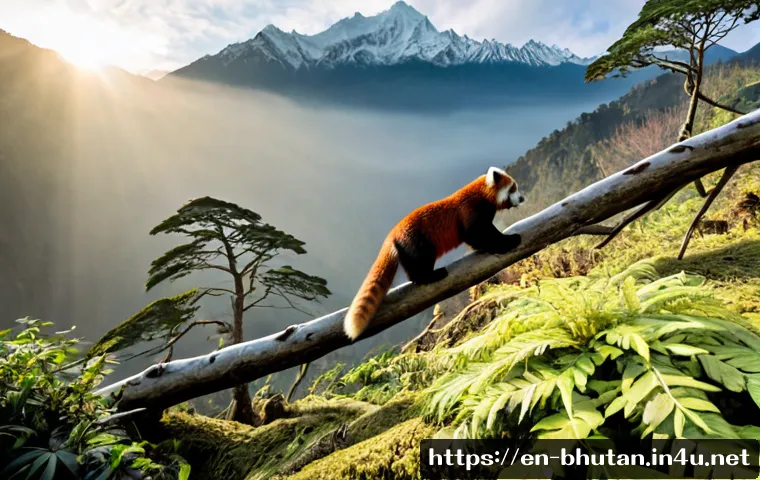
A nature-focused Bhutan journey is best for travelers who want forests, river valleys, and high mountain habitats within one itinerary, while accepting that wildlife viewing is never guaranteed.
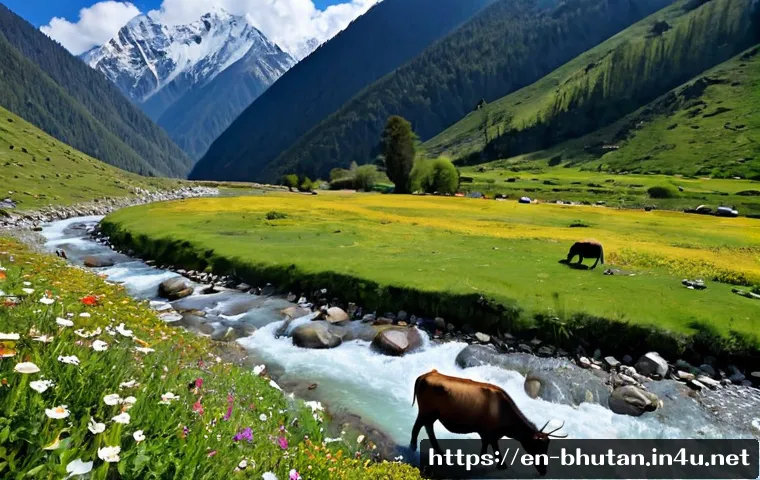
A specialist wildlife or photography guide can be worth the added cost when your trip depends on slower pacing, habitat knowledge, and responsible observation rather than a standard sightseeing schedule.
Bhutan’s ecological appeal comes from the contrast between lower-elevation forests, temperate woodlands, wetlands, and alpine terrain. The right season depends on whether your priority is forest walks, birdwatching, mountain scenery, or a demanding trek.
Before booking, compare the route, guide experience, group size, accommodation approach, and every included travel cost. Conditions, access rules, and entry procedures should always be checked again before payment.
At a Glance
- Best overall approach: Match your route to the habitat you want to experience, not to a promised wildlife sighting.
- Guide value: A specialist guide may suit birders and photographers who need more time, quieter stops, and location-specific planning.
- Book carefully: Confirm permits, route access, weather exposure, accommodation, and protected-area rules before paying a deposit.
| Trip Style | Best For | Effort Level | Key Booking Considerations |
|---|---|---|---|
| Cultural itinerary with nature stops | First-time visitors seeking scenery, local culture, and short walks | Low to moderate | Ask how much time is actually spent outdoors and whether nature stops are flexible. |
| Dedicated birding or wildlife tour | Travelers prioritizing habitat observation and a slower schedule | Moderate | Compare guide specialization, group size, daily pacing, and wildlife-distance policies. |
| Highland trekking route | Hikers seeking alpine landscapes and remote terrain | Moderate to high | Confirm altitude demands, weather plans, trail access, support arrangements, and required permits. |
| Photography-focused itinerary | Photographers who need time for light, landscapes, and patient observation | Varies | Check the route pace, photography rules, transport flexibility, and whether a specialist guide is included. |
What Makes Bhutan’s Mountain Landscapes Ecologically Distinct
A quick answer for travelers: forests, river valleys, and high-altitude habitats in one compact destination
Bhutan can appeal to nature travelers because a single journey may pass through warm forest valleys, wooded middle elevations, river corridors, and high-altitude landscapes. That variety makes route planning more important than simply choosing a broad “Bhutan wildlife tour.” A traveler interested in forest birds may need a different pace and set of stops than someone planning a trekking-focused mountain holiday.
Why elevation, rainfall, and remoteness shape where plants and animals can be seen
Elevation, rainfall, weather, and remoteness influence what a traveler can experience on the ground. A road-based itinerary may offer easier access to valleys and forest edges, while more remote habitats can require longer travel days or physically demanding walks. Conditions also change by season and location, so a sensible itinerary leaves room for weather rather than treating every stop as fixed.
What responsible visitors should expect from protected-area travel
Protected-area travel should be approached as low-impact observation, not a search for guaranteed encounters. Local rules may vary by park, reserve, route, and photography activity. Visitors should expect to follow guide instructions, respect access limits, keep noise low, and avoid pressuring wildlife for a closer view.
Habitat Zones to Know Before Choosing a Route
Lower valleys and broadleaf forests: accessible scenery and birdwatching potential
Lower valleys and broadleaf forests may suit travelers who want natural scenery without committing to a demanding trek. These areas can work well for gentle walks, roadside observation, and birdwatching-focused pauses. Ask a tour operator whether the itinerary includes meaningful time in the habitat or only brief scenic stops between cultural sites.
Temperate woodland landscapes: seasonal color, forest walks, and cultural-route overlap
Temperate woodland landscapes can overlap with cultural travel routes, making them practical for visitors who want both heritage stops and time outdoors. Forest walks may be a useful addition to a general guided itinerary, but route conditions and rain can affect how enjoyable they are. Choose footwear, outer layers, and daily distances with changing conditions in mind.
Alpine meadows and high passes: trekking value, weather exposure, and physical demands
Alpine meadows and high passes offer a stronger sense of remoteness, but they also bring weather exposure, altitude considerations, and greater physical demands. A highland route is not automatically the best choice for wildlife photography or a first nature trip. It is better suited to travelers who value the journey itself and can accept that changing weather may reshape the day’s plan.
River corridors and wetlands: why timing and local access matter
River corridors and wetlands can add a different habitat perspective to a Bhutan itinerary. Their value depends on timing, local access, weather, and how much unhurried observation time is built into the route. Do not assume that a wetland or riverside stop will be available simply because it appears on an older itinerary description.
Compare Wildlife Tours, Treks, and Nature Stays by Value
Cultural itinerary with nature stops versus a dedicated wildlife itinerary
A cultural itinerary with nature stops is often the better fit for travelers who want variety and comfortable pacing. A dedicated wildlife itinerary makes more sense when habitat observation is the main purpose of the trip. The difference is not only the route: it is also the time allowed for quiet stops, repeated visits to an area, and adjustments when weather changes.
General guide versus specialist birding or photography guide
A general guide may be sufficient for a broad introduction to landscapes and local travel. A specialist birding guide or photography guide can offer better value when your goals require patient observation, slower movement, and more deliberate route choices. Ask what the guide’s role includes, whether they are locally experienced on the planned route, and how they handle wildlife-distance rules.
Standard accommodation versus eco-conscious lodge selection
When comparing accommodation, look beyond labels such as “eco” or “green.” Ask practical questions about waste practices, water use, local staffing, meal sourcing where relevant, and how the property manages guests near sensitive landscapes. An eco-lodge selection should support your comfort needs without treating sustainability as a vague marketing add-on.
Cost categories to compare: permits, transport, guiding, meals, gear, and insurance
A meaningful trip comparison separates essential costs from optional upgrades. Review permits, transport, guiding, meals, accommodation, gear needs, and travel insurance as distinct categories. Specialist guiding, a smaller group, or a carefully chosen lodge can cost more, but may offer better value if those features directly support your travel goals. Compare inclusions before selecting a tour rather than relying on a headline price.
Plan Responsibly: Permits, Weather, Wildlife Etiquette, and Common Mistakes
Confirm entry, route, and protected-area requirements before paying a deposit

Entry requirements, visa procedures, Sustainable Development Fee rules, guide requirements, and protected-area conditions can change. Confirm current requirements through official guidance and verify what your operator handles before sending a deposit. Also ask about trail access, road conditions, and accommodation availability for your intended travel period.
Avoid wildlife disturbance through distance, quiet observation, and ethical photography
Keep a respectful distance, remain quiet, and let animals control the encounter. Avoid crowding, chasing, feeding, or asking a guide to force a closer view. Ethical photography means accepting an imperfect frame when getting closer would disturb wildlife or damage the habitat.
Prepare for changing temperatures, rain, altitude, and limited services on remote routes
Mountain travel can involve quick changes in temperature, rain, and visibility. Remote routes may also have limited services and fewer easy alternatives when plans shift. Pack for the conditions your guide identifies, discuss your walking ability honestly, and choose an itinerary that has realistic daily demands.
Do not choose an itinerary based only on a promised species sighting
Wildlife sightings depend on route, season, weather, and visitor behavior. No responsible operator should present a specific sighting as certain. Choose a trip because the habitats, landscapes, guiding approach, and overall pace are worthwhile even if the day brings only tracks, calls, distant views, or no wildlife at all.
Which Bhutan Nature Experience Fits Your Travel Style?
Best fit for first-time visitors wanting culture and gentle nature access
Choose a cultural route with planned forest walks, valley viewpoints, and unhurried nature stops. This style can balance comfort with outdoor time and avoids making the whole journey depend on long hikes or specialized wildlife goals.
Best fit for hikers seeking remote highland landscapes
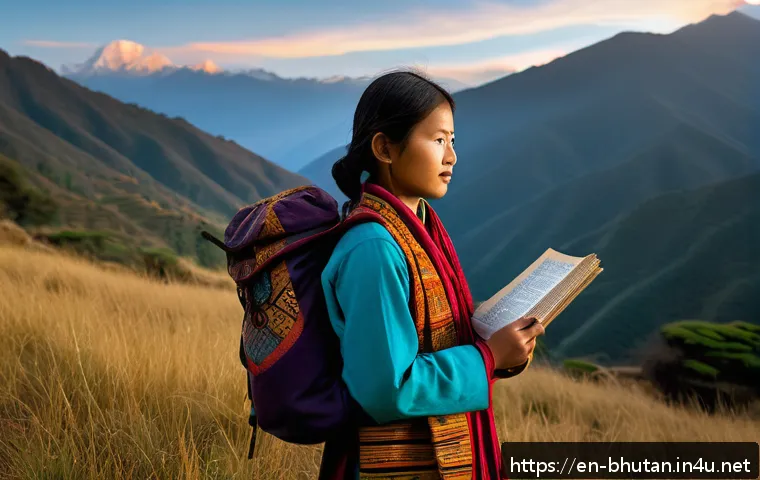
Choose a trekking route only if you are comfortable with changing weather, physical effort, and less predictable logistics. Focus on the experience of alpine terrain and remote travel, not on a checklist of sightings.
Best fit for birders and photographers who need slower, guide-led itineraries
Choose a dedicated route with a specialist guide, smaller-group pacing where available, and time reserved for observation. This is where a higher-cost guided wildlife tour may be justified, especially when flexibility matters more than fitting many landmarks into each day.
Best fit for families and lower-impact travelers prioritizing comfort and shorter walks
Choose a route based around accessible valleys, shorter walks, dependable accommodation, and manageable transfer days. Ask in advance about walking surfaces, vehicle time, meal arrangements, and the availability of alternatives if weather interrupts outdoor plans.
Choosing a Guide, Lodge, and Route: Comparison Summary
Compare the actual inclusions before selecting a tour. Ask whether permits, transport, meals, accommodation, guiding, and route adjustments are included. Check whether the guide has relevant local and habitat knowledge, whether group size supports quiet observation, and whether the operator states clear waste and wildlife-distance practices. Consider an eco-conscious lodge when its operational details—not just its branding—fit your priorities. A higher-priced small-group or specialist option may offer better value when it delivers time, flexibility, and responsible access that a faster general itinerary does not. Official guidance and detailed operator conditions should be reviewed on the relevant pages before booking.
In Closing
Bhutan’s ecological diversity is best understood as a range of connected habitats rather than one single wildlife experience. The most rewarding route is the one that matches your comfort level, interests, and tolerance for changing mountain conditions. Plan for the landscape first, then treat wildlife observations as a welcome possibility. Careful choices around guides, lodges, and group pace can make a nature-focused trip more responsible and more satisfying.
Useful Information to Keep in Mind
1. Ask how much time is spent in each habitat, not just how many places appear on the itinerary.
2. Keep expectations flexible when weather, roads, trails, or access conditions change.
3. Use travel insurance comparison tools to review coverage terms that fit your planned activities and route.
4. Choose a guide and lodge based on specific practices, not broad sustainability claims.
Important Notes
Current entry procedures, visa rules, Sustainable Development Fee requirements, pricing, trail access, and protected-area rules require confirmation before booking. Wildlife viewing cannot be guaranteed. Route conditions, accommodation availability, photography restrictions, and guide requirements may differ by location, season, weather, and local policy.
Frequently Asked Questions
Q1. What is the best time to visit Bhutan for forests, birds, and mountain scenery?
A1. The best timing depends on your main interest, chosen habitat, route conditions, and tolerance for changing weather. Forest, birding, and mountain priorities may not align perfectly on one itinerary, so ask an experienced operator how the planned season affects the specific locations you will visit.
Q2. Is it worth paying more for a specialist wildlife or photography guide in Bhutan?
A2. It can be worthwhile when your trip depends on patient observation, photography time, birding knowledge, or a flexible daily pace. For a general cultural trip with occasional nature stops, a specialist guide may be less important. Compare the guide’s role and itinerary inclusions before deciding.
Q3. How can travelers choose an eco-conscious Bhutan tour without relying on vague sustainability claims?
A3. Ask direct questions about group size, local guide involvement, waste practices, wildlife-distance policies, accommodation choices, and how the operator responds when access conditions change. Specific answers are more useful than broad environmental language.