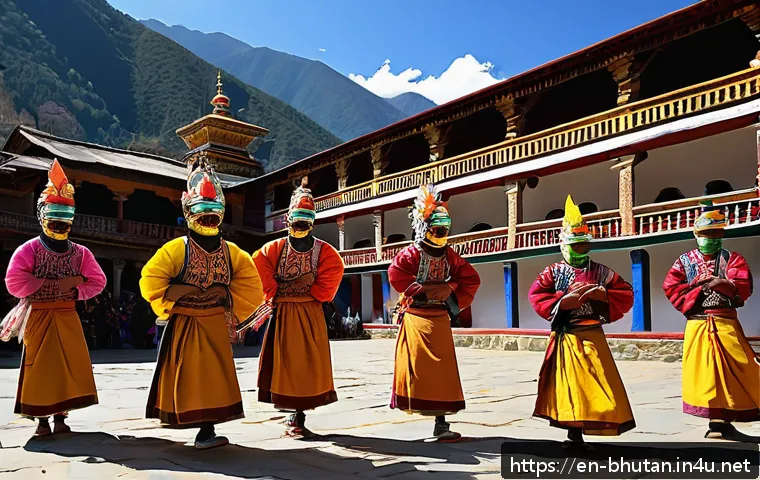
As travel enthusiasts seek more authentic and immersive experiences, Bhutan’s vibrant village festivals are capturing global attention like never before.
These colorful celebrations offer a unique glimpse into centuries-old traditions, rich culture, and spiritual devotion that define the Kingdom of Bhutan.
With recent efforts to preserve cultural heritage amid modernization, now is the perfect time to explore these lively gatherings. Join me as we dive into the heart of Bhutan’s villages, where every festival tells a story bursting with color, music, and dance.
Whether you’re a culture lover or simply curious, this journey promises to enchant and inspire.
Exploring the Rhythms of Traditional Bhutanese Dance
The Spiritual Roots Behind the Movements
The dances performed during Bhutanese village festivals are far more than mere entertainment—they are deeply embedded in the spiritual fabric of the community.
Each movement symbolizes legends, historical events, or moral teachings passed down through generations. When I watched locals performing the mask dances, I felt as though I was witnessing a living storybook, where every gesture conveyed a lesson or a blessing.
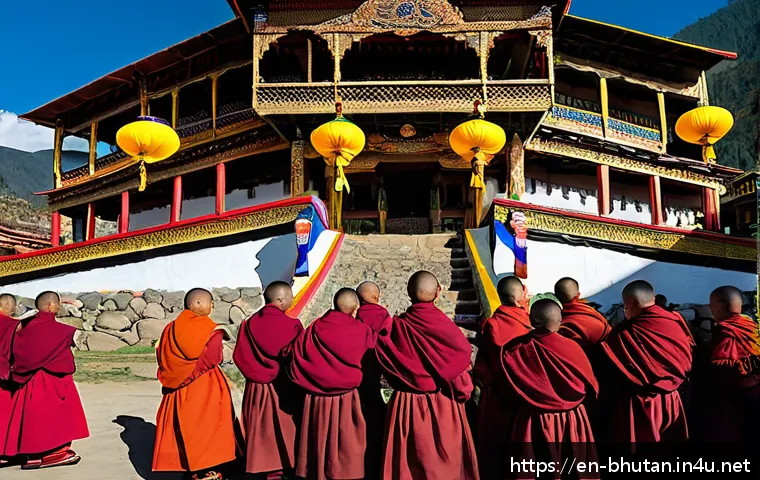
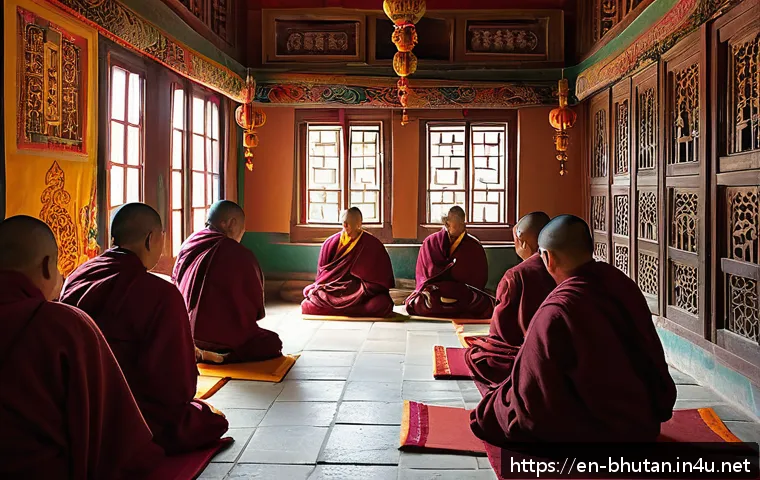
These performances often take place in the courtyards of monasteries, underscoring their sacred significance. The dancers, usually monks or specially trained villagers, wear elaborate costumes and masks, embodying deities, demons, and animals that play crucial roles in Bhutanese mythology.
This connection between dance and spirituality offers visitors a profound insight into Bhutan’s cultural identity that goes beyond surface-level spectacle.
The Vibrant Costumes and Their Symbolism
One cannot help but be mesmerized by the vibrant colors and intricate designs of the festival costumes. Each piece is painstakingly crafted, often handmade with traditional weaving techniques that are centuries old.
The colors aren’t random; they represent various aspects of Bhutanese cosmology—red for fire and power, white for purity, and blue for protection. When I tried on a replica costume during a cultural workshop, I immediately felt the weight of tradition resting on my shoulders.
The costumes not only enhance the visual impact of the dances but also serve as talismans believed to ward off evil spirits. This interplay of aesthetics and symbolism adds a fascinating layer to the festivities that travelers often find unforgettable.
The Role of Music in Shaping Festival Atmosphere
Music is the heartbeat of Bhutanese festivals, guiding dancers and energizing the crowd. Traditional instruments like the dranyen (a lute-like string instrument), the dungchen (a long horn), and various types of drums create a rich tapestry of sound that fills the mountain air.
During one festival, I noticed how the tempo of the music shifted seamlessly, signaling changes in the dance or marking the arrival of important figures.
The musicians, often seated just offstage, are as integral to the performance as the dancers themselves. Their skillful playing not only maintains rhythm but also invokes spiritual presence, making the entire event a multisensory experience that captivates both locals and visitors alike.
Community Bonding Through Festival Preparations
Collective Efforts Behind the Scenes
Long before the festival day arrives, entire villages come together in a frenzy of preparation that highlights the strong sense of community. I found it fascinating how responsibilities were shared—from weaving costumes and preparing traditional foods to setting up altars and cleaning the monastery grounds.
These tasks are often passed down through families, creating a tangible link between generations. In one village, I joined locals in cooking ema datshi, a spicy chili and cheese dish, which was not only delicious but also a moment of laughter and storytelling.
This cooperative spirit transforms the festival into a living tradition, reinforcing social ties and fostering pride in their shared heritage.
Passing Down Traditions to Younger Generations
One of the most inspiring aspects of Bhutanese village festivals is witnessing how elders actively involve children and youth in every step of the process.
Whether it’s teaching them traditional songs, dance steps, or rituals, this hands-on approach ensures that cultural knowledge is not lost amid modernization pressures.
I observed a group of children rehearsing masked dances with great enthusiasm, their eyes sparkling with curiosity and respect. This intergenerational exchange is crucial, as it empowers younger members to carry forward their identity with confidence.
The festivals become a living classroom where history, spirituality, and community values are taught in the most engaging way possible.
Unique Festival Highlights Across Different Regions
Distinct Traditions Shaped by Geography
Bhutan’s diverse landscape—from high mountain valleys to subtropical plains—shapes the unique flavor of each village festival. For example, in the Paro Valley, the festivities are grand and attract many visitors, featuring dramatic mask dances and intricate rituals.
In contrast, smaller villages in the Bumthang region celebrate with more intimate gatherings, emphasizing local legends and agricultural blessings. During my travels, I realized that exploring multiple festivals across regions offers a richer, more nuanced understanding of Bhutan’s cultural mosaic.
Each location’s natural environment and historical background infuse the celebrations with distinctive elements that reflect local identity and pride.
How Climate Influences Festival Timing and Activities
The timing of festivals often aligns with Bhutan’s agricultural calendar and seasonal cycles. Many celebrations occur in autumn, coinciding with the harvest season, which adds a layer of gratitude and abundance to the events.
I noticed that outdoor dances and rituals are carefully scheduled to avoid the harsh winter months, ensuring maximum participation and comfort. This practical approach reveals how Bhutanese culture harmonizes with nature, respecting ecological rhythms while maintaining vibrant traditions.
Understanding this connection enriches the festival experience, as it becomes clear that these events are not isolated spectacles but part of a larger, sustainable way of life.
Feasting and Local Flavors at Festival Gatherings
Traditional Dishes That Nourish Body and Soul
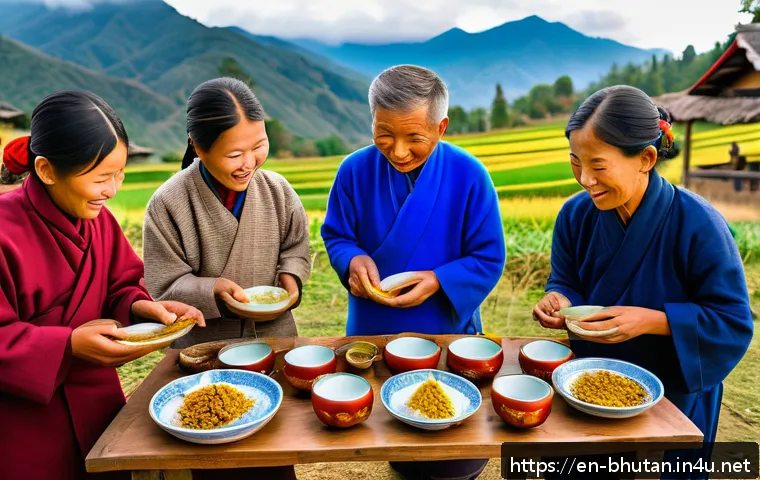
Food plays an essential role in Bhutanese festivals, offering a delicious window into local culinary heritage. I eagerly sampled dishes like momo (steamed dumplings), phaksha paa (pork cooked with red chili), and butter tea, each bursting with unique flavors.
These meals are often communal, served in large gatherings where sharing food strengthens social bonds. The ingredients are mostly sourced locally, highlighting Bhutan’s commitment to organic and sustainable farming practices.
Eating alongside villagers during a festival felt like an invitation into their everyday lives, making the experience all the more authentic and memorable.
The Ritual Significance of Festival Foods
Beyond taste and nutrition, festival foods carry symbolic meanings. Certain dishes are prepared as offerings to deities, while others mark auspicious moments during the celebrations.
I learned that serving tsampa (roasted barley flour) is a gesture of goodwill and prosperity, often exchanged between families and friends. This ritualistic aspect of food adds depth to the festive atmosphere, reminding participants of their cultural roots and spiritual connections.
It’s a beautiful example of how Bhutanese festivals weave together sensory delight with meaningful tradition.
Preserving Heritage Amid Modern Changes
Government and Community Initiatives
In recent years, Bhutan has actively promoted the preservation of its village festivals as a vital part of national identity. The government, alongside local communities, has implemented measures to protect traditional arts, support artisans, and regulate tourism to prevent cultural dilution.
I attended a workshop where elders and younger artists discussed strategies to maintain authenticity while embracing new audiences. This collaborative approach demonstrates Bhutan’s respect for its heritage and willingness to adapt thoughtfully.
It’s inspiring to see a nation balancing progress with preservation in a way that honors both past and future generations.
Tourism’s Role in Sustaining Festival Traditions
Tourism has become a double-edged sword—bringing much-needed economic benefits but also posing challenges to cultural integrity. From my conversations with local guides, it’s clear that sustainable tourism practices are key to safeguarding festival authenticity.
Visitors are encouraged to participate respectfully, dress appropriately, and learn about the significance behind each ritual. Some festivals limit attendance to ensure a meaningful experience rather than a spectacle.
This mindful approach not only benefits travelers seeking genuine engagement but also empowers communities to continue their traditions on their own terms.
| Festival Aspect | Description | Visitor Experience |
|---|---|---|
| Dance & Music | Mask dances, traditional instruments, spiritual storytelling | Immersive performances that convey Bhutanese myths and values |
| Community Involvement | Shared preparations, intergenerational teaching | Opportunities to join locals in crafting costumes, cooking, and rehearsing |
| Regional Variations | Distinct traditions shaped by geography and climate | Exploring multiple festivals reveals cultural diversity within Bhutan |
| Food & Rituals | Local dishes served communally, symbolic offerings | Tasting authentic flavors while understanding cultural meanings |
| Preservation Efforts | Government support, sustainable tourism, cultural workshops | Engaging with festivals in a way that respects and supports local heritage |
Craftsmanship and Artistry on Display
The Art of Mask Making
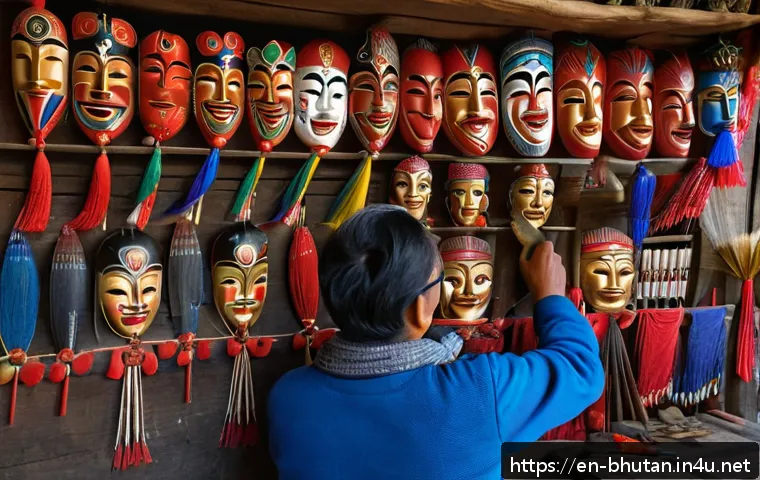
The stunning masks worn during Bhutanese festivals are masterpieces of craftsmanship, often carved from wood and painted with vivid, symbolic colors. These masks aren’t just props—they’re considered sacred objects imbued with spiritual power.
Watching artisans in a village workshop painstakingly create these masks gave me a newfound appreciation for the skill and devotion involved. Each mask represents a particular deity or spirit, and their creation follows strict traditional guidelines to preserve authenticity.
This artistry is a vital part of the festival experience, linking the visual spectacle to deeper cultural and religious meanings.
Weaving Traditions in Festival Attire
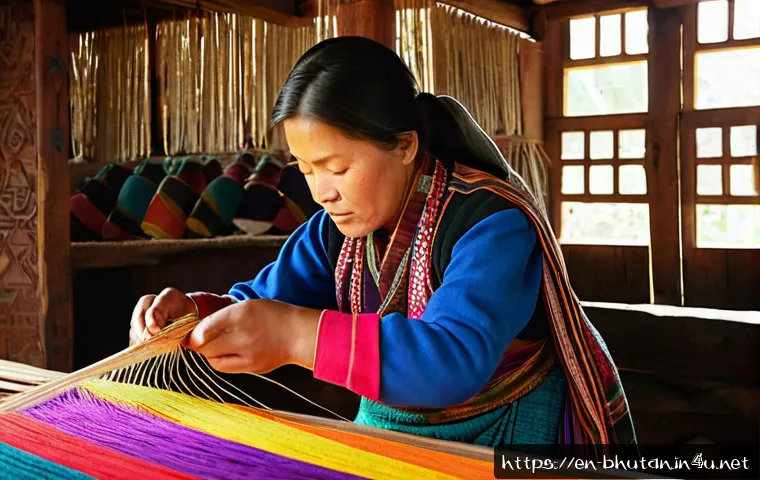
Textile weaving is another cornerstone of Bhutanese festivals, with patterns and fabrics often telling stories of clan identity and spiritual symbolism.
The intricate designs woven into festival garments are a testament to generations of knowledge passed down through families. I was fortunate enough to meet a master weaver who explained how specific motifs are chosen for particular festivals, reflecting themes of protection, prosperity, or harmony.
Wearing or seeing these textiles in action during the celebrations offers a tangible connection to Bhutan’s rich heritage of craftsmanship and cultural expression.
In Conclusion
Traditional Bhutanese dances are a vibrant expression of the country’s rich spiritual and cultural heritage. Experiencing these festivals firsthand reveals a deep connection between community, art, and nature. The dedication of locals to preserving these traditions is truly inspiring, offering visitors an authentic glimpse into Bhutan’s unique identity. Each dance, costume, and ritual tells a story that resonates beyond the performance itself.
Useful Information to Keep in Mind
1. Festival dates often coincide with agricultural cycles, so planning your visit around harvest season enhances the experience.
2. Respectful participation is encouraged—dress modestly and learn about the rituals to fully appreciate their significance.
3. Many festivals limit attendance to maintain authenticity, so booking in advance is highly recommended.
4. Engaging with local artisans and workshops provides deeper insight into the craftsmanship behind masks and costumes.
5. Sampling traditional foods during the festivals offers not only delicious tastes but also a meaningful cultural connection.
Key Takeaways
Bhutanese village festivals are living traditions that blend spirituality, artistry, and community spirit. The intricate dances and vibrant costumes are more than visual spectacles—they are embodiments of cultural values and historical narratives. Community involvement and intergenerational teaching ensure these customs thrive despite modern pressures. Sustainable tourism practices help protect the festivals’ integrity, allowing visitors to enjoy genuine cultural encounters. Ultimately, these celebrations showcase Bhutan’s harmonious relationship with nature and its steadfast commitment to preserving heritage.
Frequently Asked Questions (FAQ) 📖
Q: What makes Bhutan’s village festivals unique compared to other cultural celebrations?
A: Bhutan’s village festivals stand out because they blend deep-rooted spiritual traditions with vibrant local culture, creating an experience that feels both sacred and lively.
Unlike many festivals that focus mainly on entertainment, Bhutanese festivals often include intricate masked dances, ancient rituals, and community prayers that have been preserved for centuries.
This unique fusion offers visitors an authentic glimpse into Bhutan’s identity, where every color, movement, and chant tells a story linked to the country’s Buddhist heritage and communal values.
Q: When is the best time to visit Bhutan to experience these village festivals?
A: The best time to witness Bhutan’s village festivals is generally during the spring and autumn months, from March to May and September to November. These periods coincide with major religious festivals known as Tshechus, which are celebrated across different districts.
The weather during these months is also pleasant, making it easier to travel around the mountainous terrain. Planning your visit around these festivals ensures you’ll experience the full vibrancy of Bhutan’s cultural life, from colorful costumes to spirited dances and local feasts.
Q: How can travelers respectfully participate in Bhutan’s village festivals?
A: Respectful participation is key to truly enjoying and honoring Bhutanese festivals. As a visitor, it’s important to dress modestly and follow local customs, such as removing shoes before entering sacred spaces.
Observe the rituals quietly and avoid interrupting ongoing ceremonies or photography if prohibited. Engaging with locals by asking polite questions shows genuine interest and respect.
Also, support local artisans by purchasing handcrafted souvenirs. This mindful approach not only enriches your experience but helps preserve the cultural heritage that makes these festivals so special.