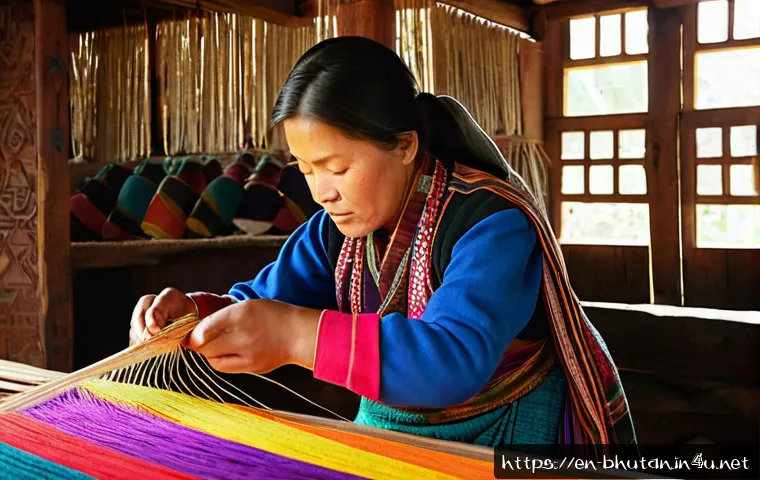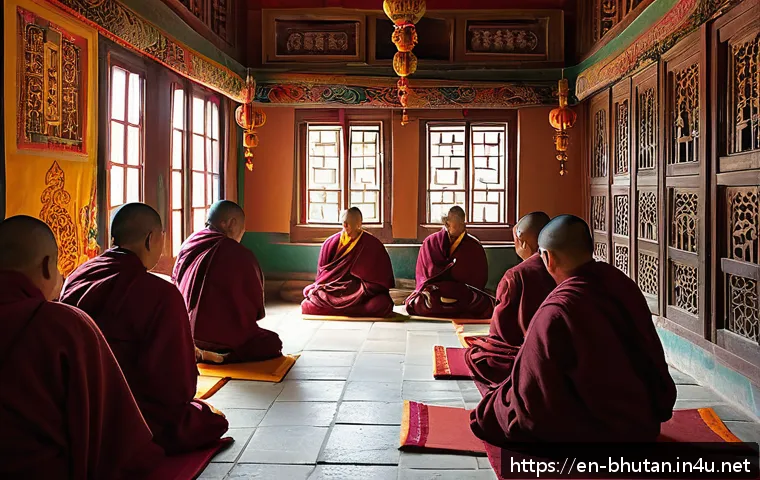
As interest in mindful living and spiritual exploration grows worldwide, Bhutan’s Drukpa Buddhism offers a fascinating journey into ancient wisdom that continues to inspire today.
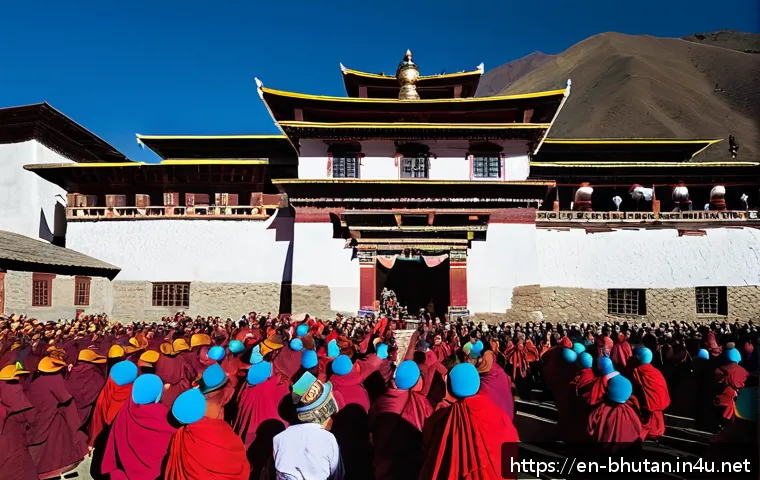
This tradition, deeply rooted in Bhutanese culture, holds secrets about its origins and teachings that many have yet to uncover. Exploring Drukpa Buddhism reveals not just a faith, but a vibrant legacy shaping hearts and minds across generations.
Whether you’re a curious traveler or a spiritual seeker, understanding its story provides meaningful insight into Bhutan’s unique path to enlightenment.
Let’s dive into this captivating narrative that blends history, culture, and timeless spirituality.
The Roots and Revival of Drukpa Tradition
Origins Beyond Borders
The Drukpa lineage, while closely tied to Bhutan, actually traces its origins back to Tibet in the 12th century. It was founded by the charismatic yogi Tsangpa Gyare, whose teachings emphasized direct experience and compassion.
Unlike some Buddhist schools that focus heavily on scholasticism, Drukpa stressed meditation and living a life aligned with natural wisdom. This approach rapidly attracted followers, spreading from the Himalayan foothills into Bhutan, where it found fertile ground to flourish.
Personally, learning about this blend of Tibetan roots and Bhutanese adaptation gave me a fresh perspective on how spiritual traditions can evolve while preserving core values.
Bhutan’s Embrace and Cultural Integration
When the Drukpa tradition arrived in Bhutan, it didn’t just bring religious teachings—it wove itself into the fabric of Bhutanese identity. The Drukpa Kagyu school became the state religion, profoundly influencing governance, festivals, and daily rituals.
I’ve visited temples where the walls literally breathe stories of kings and monks who championed these teachings. It’s fascinating to see how spiritual practice here is not separate from life but deeply embedded in community and cultural celebration.
This close integration shows why Drukpa Buddhism remains so resilient and relevant today.
Modern Revival and Global Interest
In recent decades, Drukpa Buddhism has experienced a resurgence, partly due to global interest in mindfulness and authentic spiritual paths. Leaders like the Gyalwang Drukpa have taken the tradition beyond Bhutan’s borders, emphasizing environmental stewardship and social activism alongside meditation.
From my own experience following their teachings online, this modern approach feels alive and urgent, responding to contemporary challenges without losing ancient wisdom.
It’s a reminder that traditions must adapt to stay meaningful, and Drukpa’s global reach reflects that dynamic evolution.
Core Teachings and Practices That Shape Life
Living Compassion as a Daily Path
Compassion isn’t just a lofty ideal in Drukpa Buddhism—it’s a practical guideline for every interaction. Practitioners are encouraged to cultivate empathy not only through meditation but also through acts of kindness and community service.
I’ve heard stories from travelers who volunteered in Bhutanese monasteries and came away transformed by this emphasis on heartfelt connection. This approach makes spirituality tangible and accessible, inspiring people to embody kindness rather than merely contemplate it.
Unique Meditation Techniques
Drukpa meditation methods focus on direct experience, often involving visualization and mantra recitation designed to awaken innate wisdom. Unlike some systems that require years of study before practicing, Drukpa encourages early engagement with meditation to cultivate mindfulness and clarity.
When I tried their guided sessions, I noticed an immediate sense of grounding and calm that was different from my usual routine. This accessibility is one reason why the tradition appeals to both seasoned practitioners and newcomers alike.
The Role of Ritual and Symbolism
Rituals in Drukpa Buddhism are rich with symbolism, from vibrant thangka paintings to intricate mandalas. These elements aren’t just decorative; they serve as tools for focusing the mind and connecting with the lineage’s spiritual energy.
I once attended a puja ceremony where every chant, gesture, and offering seemed to weave a tapestry of meaning that spoke directly to the heart. Such experiences highlight how ritual can deepen understanding and foster a sense of belonging within the tradition.
Monastic Life and Community Impact
Daily Life in Drukpa Monasteries
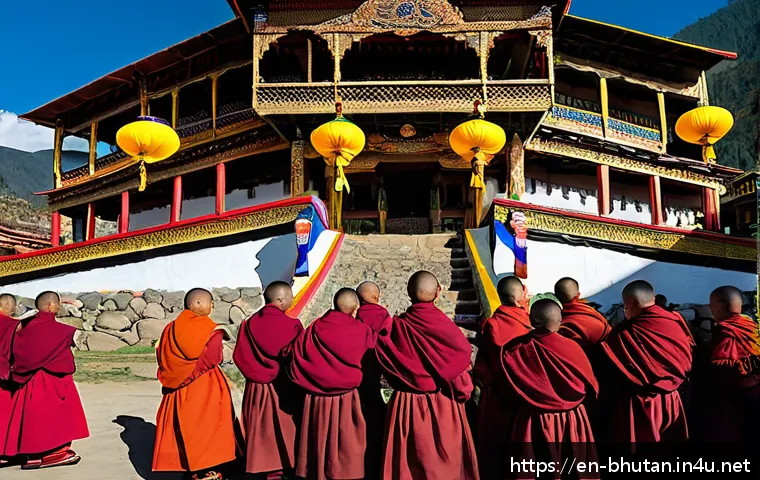
Monastic routines in Drukpa centers blend strict discipline with joyful community living. Monks rise early for meditation, engage in study sessions, and participate in communal chores—all aimed at cultivating humility and wisdom.
Visiting a monastery, I was struck by the balance of serene focus and warm fellowship among residents. This environment nurtures not just spiritual growth but also social responsibility, preparing monks to serve their communities effectively.
Educational Contributions and Preservation
Drukpa monasteries often double as educational hubs, teaching philosophy, language, and arts alongside religious studies. This holistic approach ensures the preservation of cultural heritage while equipping new generations with critical thinking skills.
I’ve seen firsthand how young Bhutanese monks embrace these opportunities, blending tradition with modern challenges. Their ability to navigate both worlds is a testament to the tradition’s adaptability and forward-thinking spirit.
Community Service and Outreach
Beyond the monastery walls, Drukpa practitioners actively engage in humanitarian projects such as healthcare, education, and environmental conservation.
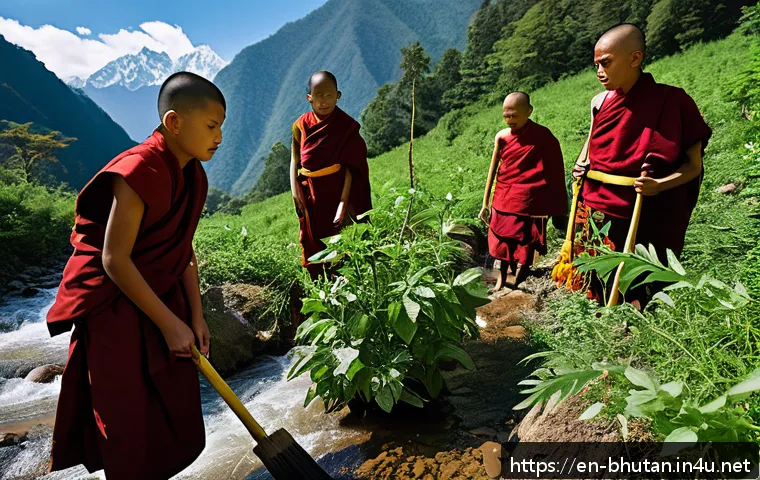
The tradition’s emphasis on compassion naturally extends into social action. I recall hearing about reforestation initiatives led by Drukpa monks that not only restore natural habitats but also empower local communities economically.
Such efforts illustrate how spirituality can translate into tangible benefits for society at large.
Symbolism and Artistic Expressions in Drukpa Buddhism
Iconography That Tells a Story
The visual language of Drukpa Buddhism is a rich tapestry of symbols that communicate complex teachings. For example, the thunder dragon emblem represents power and protection, reflecting Bhutan’s identity as “Land of the Thunder Dragon.” Each deity depicted in thangka art embodies specific qualities to inspire practitioners.
I find these symbols fascinating because they serve as visual mantras, offering layers of meaning that unfold with deeper study.
Architectural Marvels of Sacred Spaces
Drukpa monasteries and dzongs (fortresses) are architectural wonders blending spirituality and practicality. Their design incorporates natural elements, vibrant colors, and intricate carvings that create spaces conducive to meditation and community gatherings.
Visiting these sites, I felt a profound sense of peace and awe, as if the buildings themselves hold centuries of accumulated wisdom. These structures stand as living monuments to the tradition’s enduring legacy.
Festivals as Living Art
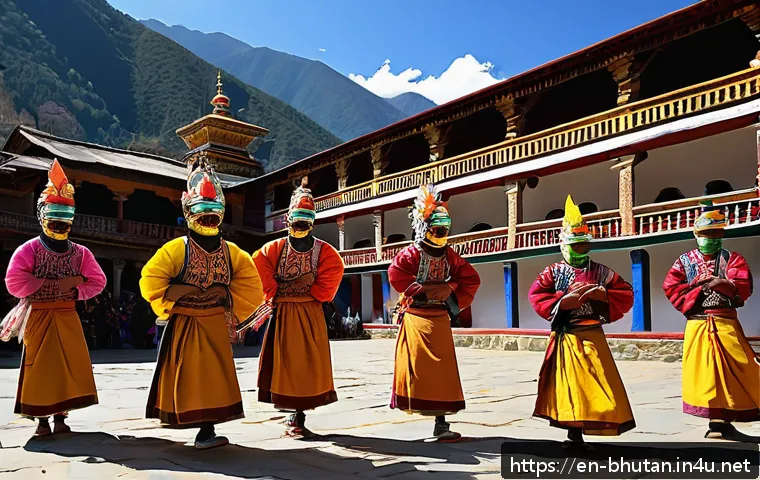
Festivals like the annual Tsechu bring Drukpa teachings to life through masked dances, music, and storytelling. These vibrant celebrations are not only artistic expressions but also vehicles for transmitting spiritual lessons.
Participating in a Tsechu, I was moved by how the community collectively embodies devotion and joy, reinforcing social bonds and spiritual values simultaneously.
The artistry involved transforms these events into unforgettable experiences that deepen connection to the tradition.
Drukpa Buddhism’s Relevance in Today’s World
Mindfulness for Modern Challenges
In an age of constant distraction, Drukpa Buddhism’s emphasis on present-moment awareness offers a powerful antidote to stress and burnout. Practicing their meditation techniques helped me cultivate patience and clarity amid hectic days.
This relevance extends beyond individual well-being, encouraging a mindful approach to relationships, work, and the environment. The tradition’s wisdom feels surprisingly fresh and practical for navigating contemporary life.
Environmental Stewardship as Spiritual Duty
Drukpa leaders promote environmental care as an expression of compassion toward all beings. This principle is deeply embedded in their teachings, inspiring initiatives like tree planting and sustainable living.
Observing these efforts, I realized how spiritual values can motivate concrete action, bridging inner transformation and outer responsibility. This holistic view is especially inspiring in today’s climate crisis context.
Cross-Cultural Dialogue and Global Influence
As Drukpa Buddhism spreads internationally, it fosters dialogue between diverse cultures and spiritual traditions. Its inclusive and experiential approach resonates with many seeking authentic spirituality without dogma.
I’ve witnessed how Drukpa teachings adapt to different contexts while maintaining their essence, creating a global community united by shared values. This dynamic exchange enriches both the tradition and those who engage with it.
Key Elements of Drukpa Buddhism at a Glance
| Aspect | Description | Significance |
|---|---|---|
| Founder | Tsangpa Gyare | Established core teachings focusing on compassion and meditation |
| Geographic Origin | Tibet, 12th century | Roots in Himalayan spiritual culture before spreading to Bhutan |
| Core Practices | Meditation, mantra recitation, compassionate action | Fosters direct experience and ethical living |
| Integration with Culture | Bhutanese state religion, festivals, arts | Ensures tradition’s vitality and societal relevance |
| Modern Adaptations | Environmentalism, social activism, global outreach | Keeps teachings relevant to contemporary issues |
In Conclusion
The Drukpa tradition offers a profound blend of ancient wisdom and modern relevance, connecting meditation, compassion, and community in a unique way. Its journey from Tibetan origins to Bhutanese cultural heartland reveals a living tradition that continuously adapts without losing its essence. Exploring Drukpa Buddhism has deepened my appreciation for how spirituality can actively shape both individual lives and wider society.
Useful Information to Keep in Mind
1. The Drukpa lineage emphasizes direct experience and compassionate living, making its teachings practical and accessible to all.
2. Bhutan’s deep integration of Drukpa Buddhism highlights the power of spirituality in shaping national identity and cultural heritage.
3. Modern Drukpa leaders focus on environmental care and social activism, showing that ancient traditions can address today’s global challenges.
4. Unique meditation practices encourage early engagement and mindfulness, benefiting both beginners and experienced practitioners.
5. Festivals and rituals serve as vibrant expressions of faith, fostering community bonds and preserving rich symbolic meanings.
Key Takeaways
Drukpa Buddhism stands out for its balance of meditative practice, compassionate action, and cultural integration. Rooted in 12th-century Tibetan origins yet thriving in Bhutan and beyond, it offers a spiritual path that is both timeless and timely. Its modern adaptations demonstrate how tradition can evolve responsibly, engaging with contemporary issues while nurturing inner transformation. For those seeking a meaningful and dynamic approach to spirituality, Drukpa’s teachings provide valuable insights and inspiration.
Frequently Asked Questions (FAQ) 📖
Q: What is Drukpa Buddhism and how does it differ from other Buddhist traditions?
A: Drukpa Buddhism is a unique branch of Tibetan Buddhism that originated in the Himalayan region, particularly Bhutan. Unlike some other Buddhist traditions, it emphasizes a balanced approach combining rigorous meditation practices with active community involvement.
What sets it apart is its strong connection to Bhutanese culture and its focus on compassion, humility, and joyful living. Experiencing Drukpa teachings firsthand, I found it deeply practical and heart-centered, rather than purely theoretical, which really resonated with my daily life.
Q: How can travelers respectfully experience Drukpa Buddhism when visiting Bhutan?
A: When visiting Bhutan, the best way to experience Drukpa Buddhism respectfully is by participating in local festivals, visiting monasteries, and engaging with monks or practitioners who are open to sharing their traditions.
It’s important to approach with an open heart and a willingness to learn, rather than just observe. I remember attending a traditional puja ceremony where the warmth and sincerity of the community made the spiritual atmosphere truly unforgettable.
Dressing modestly and following local customs also shows respect and helps create meaningful interactions.
Q: What practical benefits can one gain from practicing Drukpa Buddhism in everyday life?
A: Practicing Drukpa Buddhism offers more than spiritual insight—it provides tools for emotional balance, stress reduction, and cultivating kindness. From my own experience, embracing its teachings helped me develop patience and a deeper sense of gratitude, which improved my relationships and overall well-being.
The tradition encourages mindfulness and joyful engagement with life, making it easier to navigate challenges without losing inner peace. This blend of ancient wisdom with practical application is why many find Drukpa Buddhism relevant even in today’s fast-paced world.