In today’s fast-paced world, where fashion trends come and go, Bhutanese traditional attire stands as a beacon of timeless elegance and cultural pride.
As more travelers seek authentic experiences, understanding the story behind Bhutan’s unique garments offers a deeper connection to its rich heritage.
From vibrant colors to intricate weaving techniques, these clothes are not just fabric but a living expression of identity and values. Join me as we explore how these traditional outfits continue to shape Bhutanese culture and why they remain relevant in modern times.
Whether you’re a cultural enthusiast or simply curious, this journey into Bhutan’s sartorial legacy promises fascinating insights you won’t want to miss.
The Artistry Behind Bhutan’s Signature Clothing
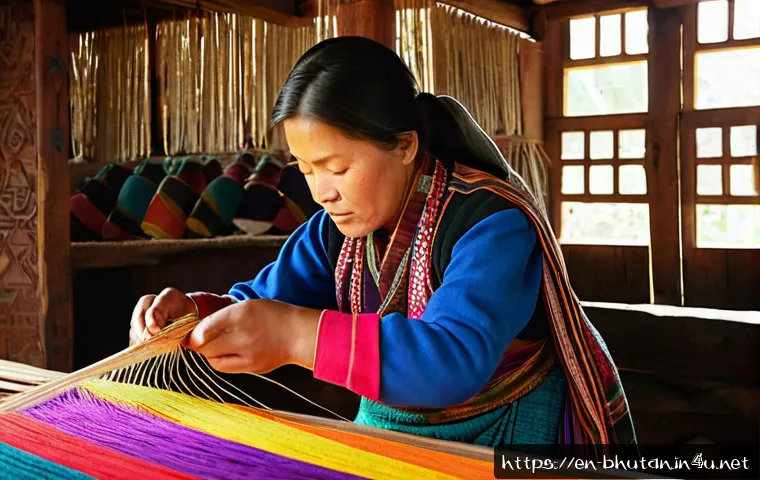
Traditional Weaving Techniques Passed Through Generations
Bhutanese textiles are renowned worldwide for their intricate weaving methods, which have been carefully preserved and handed down through centuries. The process often begins with hand-spinning raw wool or silk fibers, a task that requires immense patience and skill.
What fascinates me is how each region in Bhutan boasts its own distinct patterns and color schemes, reflecting local stories and beliefs. Watching the weavers at work, you get a sense of reverence for this craft—every thread is deliberately placed, creating fabrics that are not only beautiful but deeply meaningful.
It’s like a language woven into cloth, where every motif symbolizes something important to the community or family heritage.
Symbolic Colors and Their Cultural Significance
One of the first things that grab your attention about Bhutanese attire is the vivid palette used. Colors are never random; they carry specific connotations tied to spiritual beliefs, social status, and occasions.
For example, bright reds and oranges often signify blessings and protection, while greens and blues might represent nature or peace. When I first learned about this, it changed how I viewed clothing in Bhutan—not just as decoration but as a form of communication.
Wearing these colors is a way to honor traditions and express identity without saying a word. This thoughtful use of color still influences modern Bhutanese designers who blend old symbolism with contemporary fashion trends.
Materials That Reflect Bhutan’s Natural Environment
The choice of fabric in Bhutanese traditional clothing is closely linked to the country’s environment and climate. Wool from local sheep is favored for its warmth during the chilly mountain seasons, whereas silk is reserved for more formal garments due to its luxurious feel and sheen.
What I found particularly interesting is how these materials are sourced sustainably, often dyed using natural plants and minerals found nearby. This eco-friendly approach not only preserves the landscape but also imbues the garments with a natural authenticity that mass-produced fabrics lack.
The tactile experience of wearing these textiles, feeling the handwoven texture and organic fibers, connects you directly to Bhutan’s land and lifestyle.
How Traditional Clothing Shapes Bhutanese Identity Today
Daily Wear That Honors Ancestral Heritage
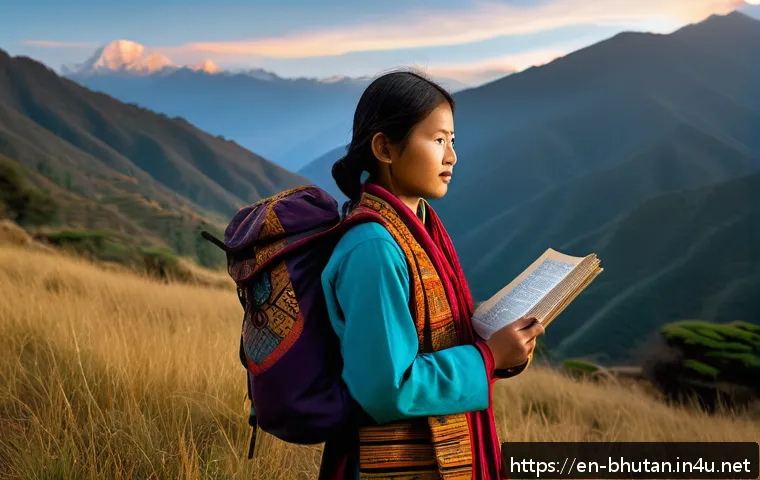
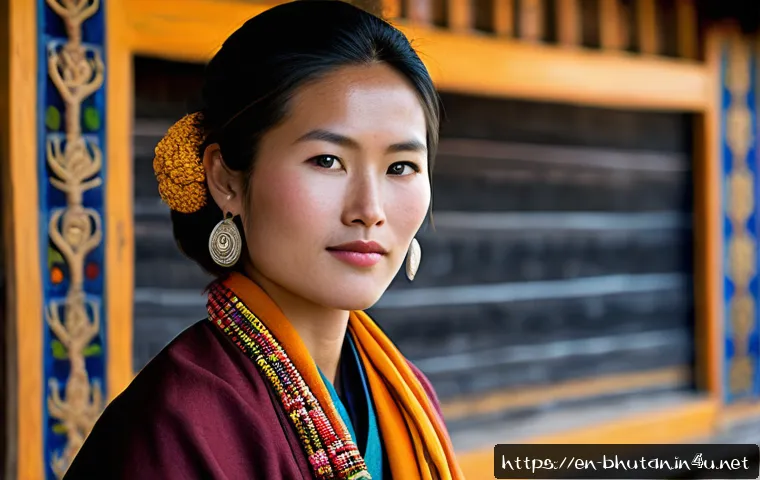
Even in bustling towns and modern settings, it’s common to see Bhutanese people proudly donning their traditional outfits. This everyday practice serves as a visible reminder of their roots and cultural pride.
From my conversations with locals, many shared that wearing these clothes daily isn’t about resisting modernity but embracing a sense of belonging and continuity.
It’s like carrying a piece of history wherever they go, which strengthens community bonds. The traditional attire, therefore, acts as a living thread that connects past, present, and future generations, making cultural preservation an active, dynamic process.
Formal Occasions and the Role of Dress in Social Rituals
In Bhutanese culture, clothing plays a crucial role during festivals, weddings, and religious ceremonies. The garments become more than just attire; they are expressions of respect, spirituality, and social hierarchy.
For instance, the quality of the fabric, the intricacy of the patterns, and the way the clothes are worn can signal one’s status or role within the event.
I once attended a traditional ceremony where every detail—from the way the scarf was folded to the color of the robe—had meaning. It made me realize that clothing here is a powerful language used to navigate social structures and honor sacred traditions.
Modern Adaptations Without Losing Authenticity
What I find inspiring is how contemporary Bhutanese designers are reinterpreting traditional clothing to appeal to younger generations and international markets.
They incorporate classic motifs and weaving styles into modern silhouettes and accessories, creating a fusion that respects tradition while embracing innovation.
This approach helps keep the culture alive and relevant, especially as globalization influences fashion everywhere. It’s a delicate balance—one that requires deep respect for the origins combined with a creative vision for the future.
Seeing these modern twists makes me appreciate how culture evolves yet remains rooted in its essence.
Understanding the Key Elements of Bhutanese Attire
Overview of Principal Garments
The traditional dress of Bhutan is typically divided into two main garments: the “Gho” for men and the “Kira” for women. The Gho is a knee-length robe tied with a belt, creating a pouch-like fold at the front, while the Kira is an ankle-length dress wrapped around the body, secured with clasps and a belt.
Both are often paired with complementary jackets and accessories depending on the occasion. Learning these distinctions helped me understand not only fashion but also the social customs tied to dressing appropriately in different contexts within Bhutanese society.
Accessory Significance and Their Roles
Accessories such as scarves, belts, and jewelry aren’t mere embellishments; they hold cultural and sometimes spiritual importance. For example, men wear a “Kabney,” a silk scarf that varies in color according to rank or occasion, while women accessorize with “Rigsar,” a traditional brooch or necklace.
These pieces often feature intricate craftsmanship and sometimes incorporate symbolic motifs like dragons or lotus flowers. Wearing these accessories conveys respect and adherence to cultural norms, especially during formal events.
I noticed that locals take pride in these details, viewing them as essential to the completeness of their traditional look.
Seasonal Variations in Clothing Styles
Due to Bhutan’s diverse climate, traditional clothing adapts with the seasons to provide comfort and practicality. During colder months, heavier woolen layers and thicker fabrics are common, while lighter silks and cotton blends dominate in warmer weather.
This seasonal adjustment reflects the Bhutanese’s deep connection to their natural surroundings and practical lifestyle. Experiencing this firsthand during a visit in early spring, I observed how locals seamlessly transition their attire without compromising style or tradition, proving that functionality and cultural expression can coexist beautifully.
| Garment | Description | Typical Use | Material | Symbolism |
|---|---|---|---|---|
| Gho | Knee-length robe for men tied with a belt | Everyday wear and formal occasions | Wool or silk | Represents national identity and tradition |
| Kira | Ankle-length dress for women wrapped with clasps and belt | Daily wear and special events | Silk, cotton, or wool blends | Symbolizes femininity and cultural pride |
| Kabney | Silk scarf worn by men | Formal events and rank identification | Silk | Indicates social status and respect |
| Rigsar | Traditional brooch or necklace for women | Completes formal attire | Precious metals and stones | Represents elegance and tradition |
The Role of Traditional Clothing in Bhutanese Festivals
Dress Codes and Their Spiritual Meaning
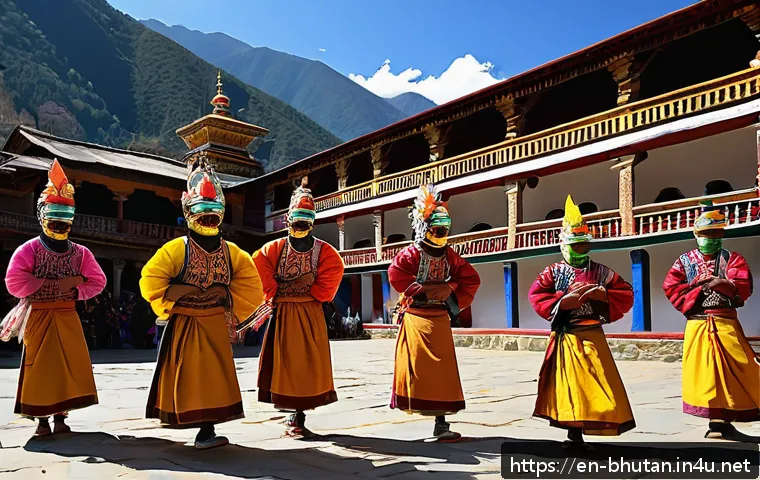
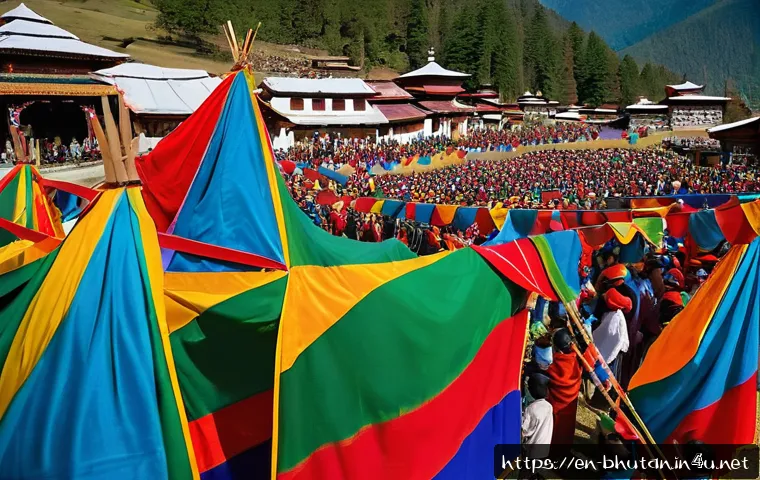
Bhutan’s festivals, known as “Tshechus,” are vibrant celebrations where traditional clothing takes center stage. Participants and attendees wear their finest garments, often adorned with symbolic patterns and colors meant to invoke blessings and protection.
From what I experienced during one festival, the care and pride with which people prepare their attire is palpable—each thread seems to carry a prayer.
These garments aren’t just costumes; they embody the spiritual essence of the event, reinforcing faith and communal harmony.
Community Bonding Through Shared Dress Traditions
During these festivals, traditional clothing also plays a vital social role. Wearing similar styles or colors creates a sense of unity among participants, fostering a collective identity.
I noticed how elders would guide younger generations in dressing correctly, ensuring that cultural knowledge is passed down alongside the fabric. This shared experience strengthens social ties and keeps traditions alive in a world that’s constantly changing.
It’s a beautiful example of how clothing serves as a bridge between generations.
Impact on Tourism and Cultural Exchange
Festivals featuring traditional attire have become major attractions for tourists seeking authentic cultural experiences. This interest has encouraged Bhutan to promote its sartorial heritage globally.
However, locals remain careful to maintain the integrity of their customs, avoiding commercialization that could dilute meaning. I’ve seen how tourists who learn about the clothing’s significance develop a deeper respect for Bhutanese culture.
This mutual exchange benefits both visitors and hosts, creating opportunities for cultural preservation and economic support.
The Influence of Geography on Traditional Clothing Styles
Mountainous Terrain and Functional Design
Bhutan’s rugged, mountainous landscape has shaped the practical aspects of its traditional clothing. The need for warmth and protection against harsh weather led to designs that are both functional and symbolic.
Layers, thick fabrics, and high collars are common features that help locals adapt to varying altitudes and temperatures. From my observations, these practical elements do not compromise aesthetics; instead, they enhance the garments’ character and resilience, embodying the harmony between people and their environment.
Regional Variations Reflecting Local Identity
Different regions of Bhutan exhibit distinct clothing styles influenced by local customs and resources. For example, eastern Bhutanese garments tend to have brighter colors and bolder patterns, while western regions favor more subdued tones and simpler designs.
These variations are a testament to the country’s cultural diversity within its small geographical footprint. When I traveled across Bhutan, the subtle changes in attire helped me appreciate the nuanced identities that coexist under the broader national culture.
Adapting to Climate Changes Over Time
As climate patterns shift, so do clothing preferences and practices. I found it intriguing that some communities have started incorporating lighter fabrics or hybrid materials to cope with warmer seasons while still honoring tradition.
This adaptability highlights the dynamic nature of Bhutanese dress, which balances respect for the past with responsiveness to present realities. It’s a reminder that culture is alive, evolving with the world around it while maintaining its core values.
Preserving Tradition Amidst Modern Challenges
Efforts by Artisans and Cultural Institutions
Bhutanese weavers and cultural organizations play a crucial role in safeguarding traditional attire. Through workshops, apprenticeships, and exhibitions, they ensure that skills and knowledge are not lost to modernization.
I had the chance to visit a weaving center where young people were learning from master artisans, and it was inspiring to see this dedication. These efforts create a sustainable future for Bhutan’s textile heritage, empowering communities economically while nurturing cultural pride.
Balancing Globalization and Cultural Integrity
The influx of global fashion trends presents both opportunities and challenges for Bhutanese traditional clothing. On one hand, exposure to international markets can promote awareness and appreciation.
On the other, there is a risk of cultural dilution if traditional elements are copied superficially. From discussions with local designers, it’s clear they strive to maintain authenticity by involving community elders and respecting symbolic meanings.
This conscious approach helps protect the cultural soul of Bhutanese dress even as it gains global visibility.
Personal Reflections on Wearing and Appreciating Bhutanese Garments
Having worn Bhutanese traditional clothing myself, I can attest to the unique feeling it imparts—a blend of comfort, dignity, and connection. It’s not just about looking good; it’s about embodying a living tradition.
Each time I put on a Gho or Kira, I feel a deep respect for the people and history behind it. This experience has made me more mindful of how clothing can transcend fashion to become a powerful expression of identity and heritage, something truly worth preserving and celebrating.
Conclusion
Bhutan’s traditional clothing is much more than fabric—it is a vivid expression of cultural identity, history, and spirituality woven into everyday life. Experiencing these garments firsthand reveals a deep respect for heritage and a continuous dialogue between past and present. The artistry and symbolism embedded in each thread make Bhutanese attire truly unique and inspiring. Preserving these traditions while embracing thoughtful innovation ensures their relevance for generations to come.
Useful Information to Remember
1. Bhutanese textiles are handwoven using centuries-old techniques, with regional patterns that tell local stories and beliefs.
2. Colors in traditional clothing carry specific meanings related to spirituality, social status, and occasions.
3. Materials like wool and silk are sustainably sourced and dyed with natural substances, connecting garments to Bhutan’s environment.
4. Traditional attire is worn daily and during formal events, symbolizing cultural pride and social roles.
5. Contemporary Bhutanese designers blend classic motifs with modern styles, keeping tradition alive while appealing to new audiences.
Key Takeaways
The richness of Bhutanese clothing lies in its intricate craftsmanship, meaningful symbolism, and adaptability. These garments serve as living cultural artifacts that honor heritage and foster community. Understanding the significance behind the colors, materials, and styles enhances appreciation and respect for Bhutanese culture. Efforts to preserve these traditions amid modern challenges highlight the balance between innovation and authenticity, ensuring that this unique artistry continues to thrive.
Frequently Asked Questions (FAQ) 📖
Q: What are the key components of traditional Bhutanese attire and their cultural significance?
A: Traditional Bhutanese clothing mainly consists of the gho for men and the kira for women. The gho is a knee-length robe tied at the waist with a belt called a kera, while the kira is an ankle-length dress wrapped and secured with brooches and a belt.
These garments are more than just clothes; they symbolize respect for Bhutanese identity, social status, and cultural heritage. Wearing them during festivals, official events, and daily life reflects a deep connection to the country’s values and traditions, reinforcing unity and pride among Bhutanese people.
Q: How are Bhutanese traditional clothes made, and what makes their textiles unique?
A: Bhutanese traditional clothes are crafted using age-old weaving techniques passed down through generations. Artisans hand-weave the fabric on traditional looms, often using natural dyes derived from plants and minerals, which give the textiles their vibrant and lasting colors.
The intricate patterns and motifs woven into the cloth often represent religious symbols, local flora, or geometric designs that carry specific meanings.
What truly sets Bhutanese textiles apart is the combination of craftsmanship, cultural storytelling, and sustainable practices that honor nature and heritage simultaneously.
Q: Why do Bhutanese people continue to wear traditional attire in modern times?
A: Despite the global influence of contemporary fashion, Bhutanese people proudly continue to wear their traditional attire daily, as it embodies their national identity and cultural pride.
The government encourages this practice by mandating traditional dress in schools and government offices, ensuring the preservation of their sartorial legacy.
From my own experience visiting Bhutan, I noticed how wearing these garments fosters a sense of belonging and respect for their history, even among the younger generation.
It’s not just about fashion; it’s a living tradition that connects the past with the present, making it relevant and meaningful in today’s world.