Springtime in Bhutan is nothing short of magical, as vibrant blossoms burst forth against the backdrop of majestic mountains. This season not only paints the landscape with stunning colors but also brings to life centuries-old festival traditions that showcase Bhutanese culture in its most authentic form.
With global travelers seeking unique and meaningful experiences more than ever, exploring Bhutan’s springtime celebrations offers a refreshing escape into nature and heritage.
Join me as we dive into the enchanting world of Bhutan’s floral beauty and festive spirit, uncovering hidden gems and cultural insights that will inspire your next adventure.
The Rhythms of Tradition: Bhutan’s Springtime Festivals
Festivals as a Window into Bhutanese Spirituality
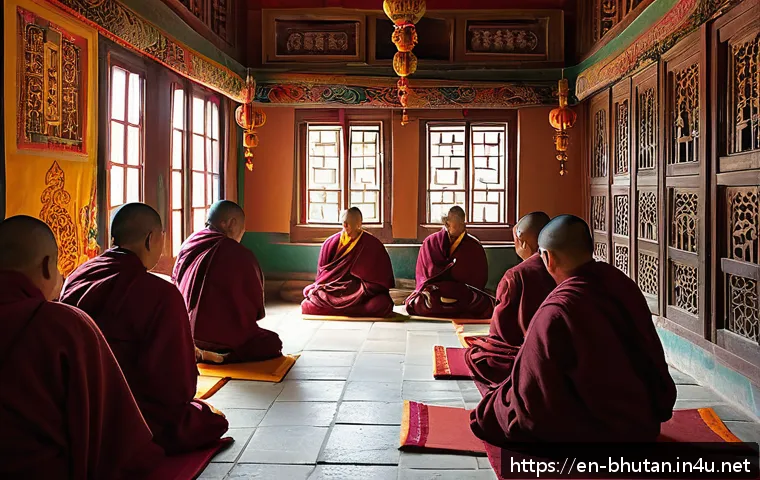
Bhutan’s spring festivals are not merely celebrations but profound expressions of its deeply rooted Buddhist heritage. Walking through the festival grounds, you’ll notice how each ritual, dance, and chant connects visitors with centuries-old beliefs and practices.
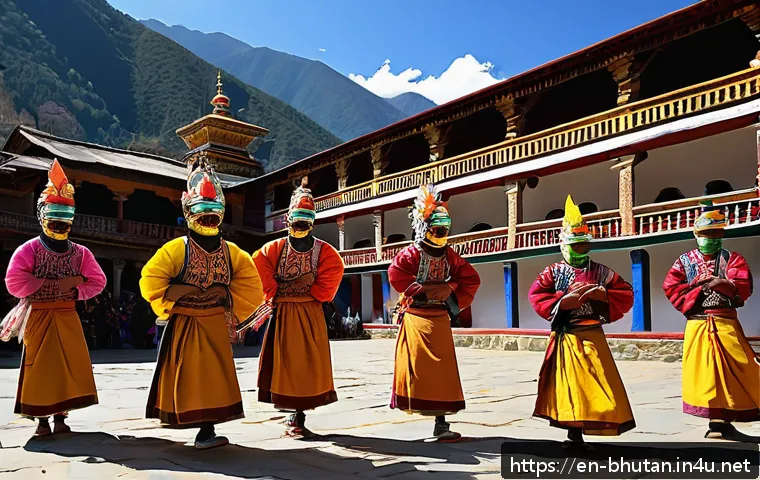
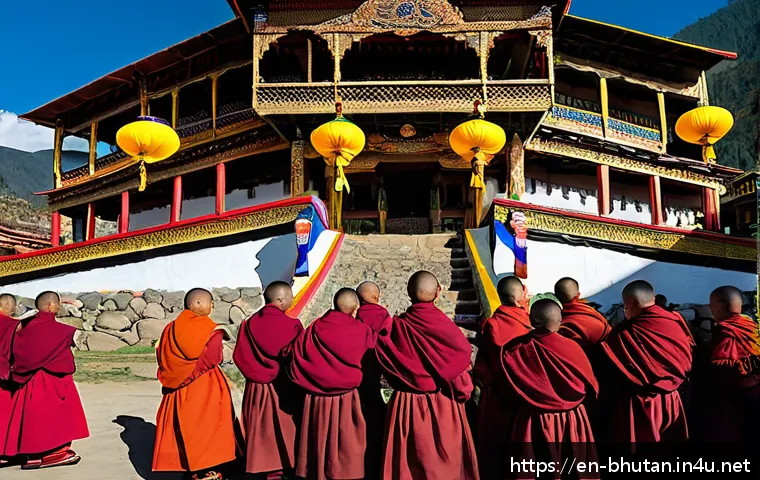
It’s fascinating to witness monks in vibrant robes perform masked dances, each movement symbolizing a story or moral lesson. From my own experience, these ceremonies provide a humbling glimpse into a culture that treasures harmony between humanity and nature.
The air is thick with incense and reverence, creating a spiritual atmosphere that’s both soothing and invigorating.
Community and Connection Amidst Festive Cheer
Spring festivals in Bhutan are as much about community as they are about spirituality. Locals gather in their finest traditional attire, sharing food, stories, and laughter.
I found that these moments of communal joy are what truly make the experience memorable. Visitors are often welcomed with open arms, invited to join in dances or sample homemade delicacies.
This sense of belonging and shared celebration bridges cultural divides and leaves a lasting impression of warmth and hospitality.
Timing and Highlights of Major Spring Festivals
The timing of Bhutan’s spring festivals is closely tied to the lunar calendar, which adds an element of anticipation and uniqueness to each event. Notable festivals like Paro Tshechu and Thimphu’s spring celebrations showcase a blend of elaborate performances, religious rites, and market fairs.
Each festival has its own distinct charm and set of rituals, making it worthwhile to plan your trip around these dates for a truly immersive experience.
Nature’s Canvas: The Blossoming Beauty of Bhutan’s Flora
Cherry Blossoms and Rhododendrons: A Visual Feast
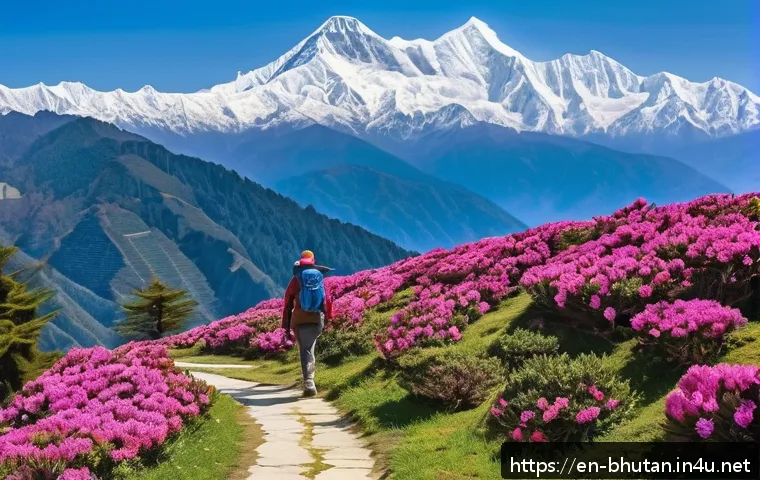
Spring in Bhutan transforms the landscape into a kaleidoscope of colors, with cherry blossoms and rhododendrons leading the spectacle. During my visit, wandering through the valleys blanketed in soft pinks and fiery reds felt like stepping into a dream.
These flowers don’t just beautify the surroundings; they signal the renewal of life and the promise of warmer days ahead. Local guides often point out hidden groves and trails where the blooms are most dense, perfect for photography or quiet reflection.
Medicinal Plants and Their Cultural Significance
Beyond their aesthetic appeal, many springtime plants in Bhutan hold medicinal value and are integral to traditional healing practices. I learned from villagers how herbs collected during this season are carefully preserved to treat ailments year-round.
This intimate relationship with nature underlines Bhutan’s philosophy of living in balance with the environment, a lesson that resonates deeply in today’s fast-paced world.
Best Spots for Flower Viewing and Nature Walks
For those who crave close encounters with Bhutan’s floral treasures, there are several scenic spots renowned for their springtime blooms. Places like Dochula Pass and Phobjikha Valley offer breathtaking panoramas and well-marked trails that lead through flower-strewn meadows.
Hiking these routes, I found myself surrounded by the sweet fragrance of blossoms and the gentle hum of bees, a sensory experience that refreshes both body and soul.
Culinary Delights of Bhutan’s Spring Season
Seasonal Ingredients and Traditional Recipes
Spring brings a bounty of fresh produce to Bhutanese kitchens, influencing the local cuisine in delightful ways. I had the chance to taste dishes featuring tender bamboo shoots, wild greens, and freshly harvested herbs, all bursting with flavor and vitality.
Traditional recipes are often adapted seasonally, reflecting the close connection between the land’s cycles and Bhutanese culinary customs. Sampling these dishes in a cozy farmhouse setting added an authentic touch to my gastronomic journey.
Festive Feasts and Community Sharing
During festivals, food takes center stage as a symbol of generosity and unity. Communal meals are prepared with care, featuring hearty stews, spicy chilies, and aromatic rice dishes.
I observed how sharing food is not just about nourishment but also about strengthening social bonds. Visitors frequently find themselves invited to partake in these feasts, creating opportunities for cultural exchange and new friendships.
Where to Experience Authentic Bhutanese Spring Cuisine
For food lovers eager to dive into spring flavors, local markets and family-run eateries in towns like Paro and Thimphu are treasure troves. I recommend exploring these spots early in the day to catch fresh produce and homemade delicacies.
Engaging with vendors and chefs often leads to discovering secret recipes and cooking tips that you won’t find in guidebooks.
Exploring Bhutan’s Springtime Wildlife and Ecosystems
Spring as a Season of Wildlife Awakening
As the snow melts and temperatures rise, Bhutan’s diverse wildlife emerges from winter slumber. I was fortunate to spot migratory birds returning to their nesting grounds and elusive mammals venturing into open spaces.
Spring is truly a dynamic time for observing nature’s rhythms and the interdependence of species within Bhutan’s pristine habitats.
Conservation Efforts and Ecotourism Opportunities
Bhutan’s commitment to environmental preservation shines during spring, when conservation projects ramp up activities to protect vulnerable species and habitats.
Visiting ecotourism sites not only offers breathtaking encounters with nature but also supports sustainable initiatives. My visits to wildlife sanctuaries and community forests revealed how locals actively participate in safeguarding their natural heritage, an inspiring model for travelers seeking responsible tourism experiences.
Recommended Wildlife Reserves and Guided Tours
For those eager to witness Bhutan’s springtime fauna, reserves like Jigme Dorji National Park and Royal Manas National Park are excellent choices. Guided tours led by knowledgeable naturalists enhance the experience, providing insights into animal behavior and habitat conservation.
During these excursions, I appreciated how the guides balanced adventure with respect for wildlife, ensuring minimal disturbance to the environment.
Handicrafts and Artisans: Springtime Creations in Bhutan
Seasonal Inspirations in Traditional Crafts
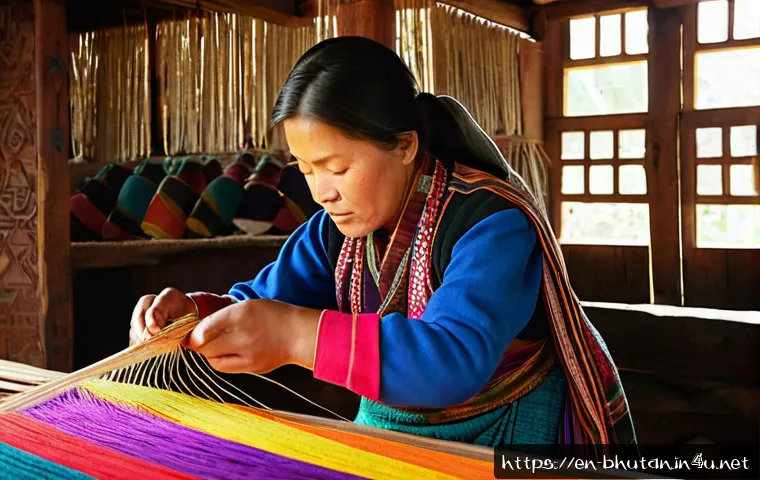
Spring’s vibrant energy inspires Bhutanese artisans to create exquisite handicrafts that reflect the season’s themes of renewal and growth. I had the pleasure of visiting workshops where artisans weave colorful textiles, carve intricate woodwork, and paint delicate thangka scrolls.
These creations are not only beautiful but also carry cultural narratives passed down through generations, embodying Bhutan’s artistic heritage.
Supporting Local Economies Through Artisan Markets
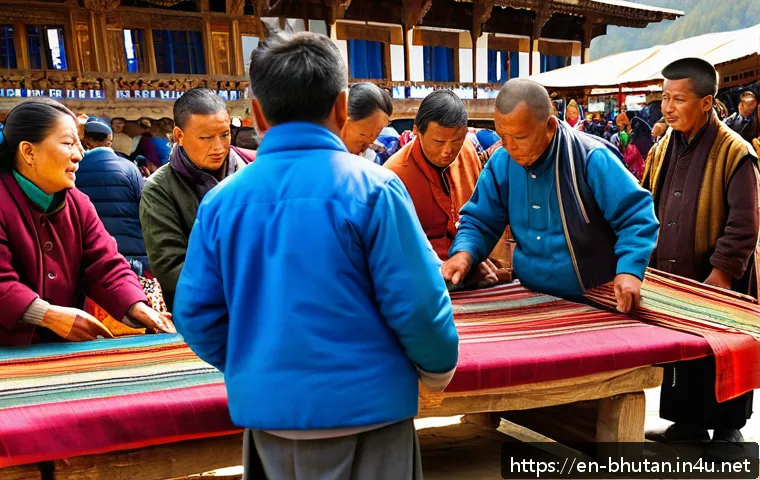
Markets bustling with handcrafted goods become lively hubs during spring festivals. I found that purchasing directly from artisans ensures fair compensation and fosters sustainable livelihoods.
Engaging with craftsmen and women also deepened my appreciation for the skill and dedication behind each piece. These markets offer travelers a unique chance to bring home meaningful souvenirs while contributing to Bhutan’s vibrant creative economy.
Workshops and Interactive Experiences for Visitors
For those interested in hands-on cultural experiences, several communities offer workshops where visitors can try their hand at traditional crafts. Participating in these sessions gave me a newfound respect for the meticulous techniques involved and a memorable connection to Bhutanese culture.
Whether it’s learning to dye fabric with natural pigments or painting miniature motifs, these activities enrich any springtime itinerary.
Practical Tips for Experiencing Bhutan in Spring
Weather and Packing Essentials
Spring weather in Bhutan can be quite variable, with warm days and chilly nights. From personal experience, layering is key to staying comfortable while exploring both valleys and higher altitudes.
Packing a mix of breathable fabrics, a sturdy jacket, and comfortable walking shoes will prepare you for everything from sunny hikes to sudden mountain breezes.
Don’t forget sun protection and a good camera to capture those breathtaking floral scenes!
Travel Logistics and Festival Planning
Planning your trip around festival dates requires flexibility since lunar calendars shift annually. I found that consulting with local guides or travel agencies well in advance helps secure accommodations and permits, especially during peak festival periods.
Bhutan’s unique tourism policy also means pre-booking your itinerary is essential, so be sure to arrange your visits thoughtfully to maximize your springtime experience.
Respectful Cultural Engagement
Bhutanese culture places great emphasis on respect and mindfulness. When attending festivals or visiting sacred sites, I learned to follow local customs such as dressing modestly, removing shoes, and asking permission before taking photographs.
These small gestures opened doors to genuine interactions and deeper cultural understanding, making my journey not just enjoyable but profoundly meaningful.
| Festival | Location | Typical Dates | Main Attractions | Unique Features |
|---|---|---|---|---|
| Paro Tshechu | Paro Valley | March/April | Masked dances, religious rituals | One of the largest and most colorful festivals |
| Thimphu Spring Festival | Thimphu | April | Cultural performances, sports competitions | Showcases local traditions and community spirit |
| Chimi Lhakhang Drup | Wangdue Phodrang | March | Fertility rituals, blessings by monks | Focuses on health and prosperity |
| Jambay Lhakhang Drup | Bumthang | March/April | Fire blessing dances, mask performances | Celebrates ancient temple traditions |
In Conclusion
Bhutan’s springtime offers an enchanting blend of spirituality, nature, and culture that leaves a lasting impression on every visitor. Experiencing its festivals, vibrant flora, and warm community reveals a unique harmony between tradition and the natural world. Whether you’re drawn by the lively celebrations or serene landscapes, Bhutan in spring promises a journey filled with meaningful encounters and unforgettable memories.
Useful Information to Keep in Mind
1. Plan your visit around the lunar calendar to catch the most vibrant festivals, as dates vary each year.
2. Dress modestly and respectfully when attending religious events or sacred sites to honor local customs.
3. Layer your clothing to adapt to the variable spring weather, especially when exploring mountainous areas.
4. Engage with local artisans and communities to support sustainable tourism and enrich your cultural experience.
5. Book accommodations and permits well in advance, particularly during festival seasons, to ensure a smooth trip.
Key Takeaways
Spring in Bhutan is a season of renewal that beautifully intertwines cultural heritage with natural splendor. Visitors should embrace both the lively festivals and tranquil nature walks to fully appreciate the country’s spirit. Respect for local traditions and mindful travel practices enhances the experience, fostering meaningful connections and preserving Bhutan’s unique way of life for future generations.
Frequently Asked Questions (FAQ) 📖
Q: When is the best time to visit Bhutan in spring to experience its festivals and natural beauty?
A: The ideal time to visit Bhutan for spring festivals and vibrant landscapes is between March and May. During these months, the weather is pleasantly mild, and the valleys burst into color with blooming rhododendrons and other native flowers.
Many important festivals, such as the Paro Tshechu and Punakha Drubchen, take place around this time, offering travelers a unique chance to witness traditional mask dances and cultural rituals in authentic settings.
Planning your trip during this window ensures you catch both the natural splendor and the rich heritage in full swing.
Q: What should travelers pack when visiting Bhutan in spring?
A: Packing smartly for a spring trip to Bhutan is crucial since the weather can vary from chilly mornings to warm afternoons. I recommend layering your clothing: bring lightweight shirts, a warm fleece or jacket for early mornings and evenings, and comfortable hiking shoes for exploring the countryside and festival grounds.
Don’t forget sunscreen, sunglasses, and a hat to protect yourself from the sun during daytime outdoor activities. Also, a small backpack for water and snacks is handy, especially when attending festivals that can last several hours.
Q: How can travelers respectfully participate in Bhutan’s spring festivals?
A: Respectful participation in Bhutan’s festivals is all about understanding and honoring local customs. When attending events like the Tshechu, dress modestly and avoid loud behavior.
Photography is generally allowed but be mindful not to photograph monks or sacred rituals without permission. Engaging with locals warmly and showing genuine interest in their traditions goes a long way.
I found that asking polite questions and observing quietly enhanced my experience and deepened my appreciation for Bhutanese culture. Remember, these festivals are not just entertainment but spiritual and communal celebrations deeply rooted in Bhutan’s identity.