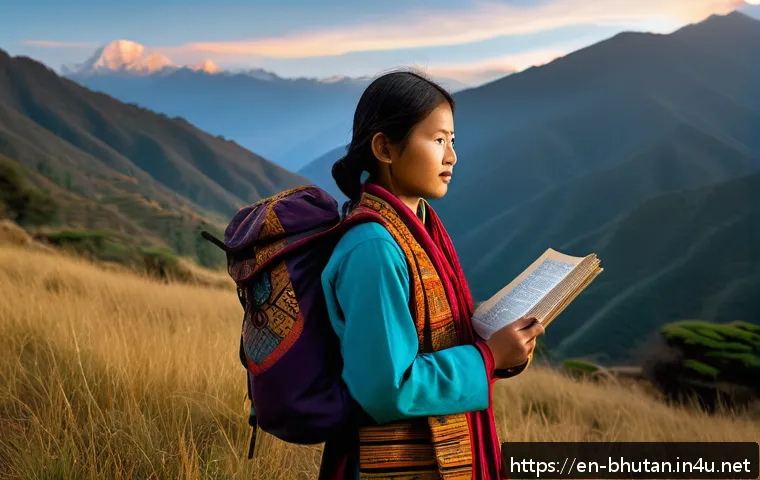
In recent years, Bhutan’s literary scene has been blossoming in ways that surprise many outside its borders. As the world grows more connected, contemporary Bhutanese writers are stepping into the spotlight, offering fresh perspectives rooted in their rich cultural heritage yet embracing modern themes.
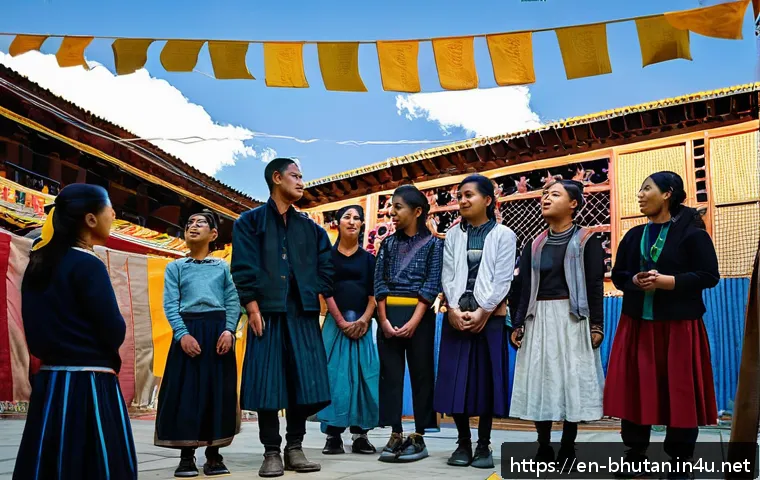
Whether it’s through poetry, fiction, or essays, these voices are redefining what it means to tell stories from the Land of the Thunder Dragon. Join me as we dive into this vibrant literary landscape, exploring the narratives that are shaping Bhutan’s cultural identity today.
If you’re curious about how tradition meets innovation in literature, this journey is just the beginning.
The Fusion of Tradition and Modernity in Bhutanese Storytelling
Balancing Ancient Folklore with Contemporary Issues
Contemporary Bhutanese authors are masterfully weaving the threads of ancient folklore into the fabric of modern narratives. What’s striking is how these writers don’t simply retell old stories; instead, they reinterpret them to address present-day concerns like environmental conservation, social change, and globalization.
For example, a novel might take a traditional tale about mountain spirits but frame it around a young woman’s struggle with climate change and cultural identity.
This blending creates a rich literary texture that appeals both to local readers who cherish their heritage and to global audiences eager for fresh perspectives.
It’s almost like these stories serve as bridges—connecting the past’s wisdom with the urgent questions of today, making Bhutanese literature feel both timeless and incredibly relevant.
Language Choices: Dzongkha, English, and Beyond
Language plays a pivotal role in shaping the tone and reach of Bhutan’s modern literature. While Dzongkha remains the soul of Bhutanese culture, many contemporary writers are increasingly adopting English to expand their audience internationally.
This bilingual approach allows for a fascinating interplay where the lyrical qualities of Dzongkha influence English prose and poetry, resulting in a unique voice that is deeply rooted yet globally accessible.
Some authors even experiment with code-switching within their texts, reflecting the everyday linguistic reality of Bhutan’s youth. This fluidity not only enriches the narrative style but also challenges readers to appreciate the nuances of Bhutan’s linguistic heritage.
Young Voices and Digital Platforms
The rise of social media and online literary journals has empowered a new generation of Bhutanese writers to showcase their work beyond traditional print outlets.
Platforms like Instagram, blogs, and independent e-zines have become vital spaces where emerging poets and fiction writers share their creations, receive feedback, and engage with international literary communities.
This democratization of publishing has led to more diverse and experimental content, reflecting the dynamic cultural shifts occurring in Bhutanese society.
The digital landscape also encourages collaboration between writers, artists, and activists, fostering a vibrant ecosystem that supports literary innovation and cultural dialogue.
Exploring Bhutanese Poetry’s Contemporary Renaissance
The Revival of Classical Forms with a Twist
Bhutanese poetry has experienced a notable resurgence, where traditional poetic forms are being revived and reshaped by contemporary poets. Classic meters and rhyme schemes rooted in Buddhist philosophy and nature imagery are now being infused with personal narratives and social commentary.
This revival isn’t about preserving poetry as a museum piece; it’s about making it resonate with today’s readers by addressing themes like identity, migration, and youth aspirations.
Poets often blend spiritual introspection with humor and irony, creating works that feel intimate yet universally relatable. Experiencing Bhutanese poetry today is like listening to a conversation that spans centuries but speaks in the language of now.
Performance Poetry and Community Engagement
Live poetry readings and spoken word events have become increasingly popular in Bhutan’s urban centers, particularly among the youth. These gatherings serve as more than entertainment—they’re forums for dialogue on pressing social issues such as gender equality, mental health, and cultural preservation.
Performance poetry introduces a dynamic element to literature, where voice modulation, rhythm, and audience interaction amplify the emotional impact of the words.
Many poets share that performing their work publicly has deepened their connection to their craft and community, turning poetry into a powerful vehicle for social change and cultural affirmation.
Notable Poets and Their Contributions
Several contemporary Bhutanese poets have gained recognition for their innovative approaches and heartfelt explorations of Bhutanese life. Their works often reflect a blend of personal experience and broader societal themes, capturing the complexities of navigating tradition and modernity.
Some poets have published collections in both Dzongkha and English, helping to elevate Bhutanese poetry on international stages. Their contributions not only enrich Bhutan’s literary heritage but also inspire younger generations to explore poetry as a meaningful form of expression.
Bhutanese Fiction: Narratives of Change and Continuity
From Rural Roots to Urban Realities
Fiction writers from Bhutan are increasingly spotlighting the tension between rural traditions and the rapid urbanization shaping the country. Stories often follow characters caught between ancestral obligations and modern ambitions, revealing the emotional landscapes of migration, education, and economic shifts.
These narratives bring to life the challenges and hopes of Bhutan’s evolving society, portraying the complexities of identity in flux. What stands out is how authors resist simplistic portrayals; instead, they offer nuanced insights into how individuals reconcile personal dreams with collective cultural values.
Genre-Bending and Experimental Storytelling
In recent years, Bhutanese fiction has embraced experimentation with genre and narrative structure. Writers are blending magical realism, speculative fiction, and historical narratives to push the boundaries of traditional storytelling.
This genre-bending approach allows for creative explorations of Bhutan’s mythology, history, and contemporary issues without being confined to linear or conventional forms.
Readers find themselves immersed in stories that surprise and challenge, reflecting the multifaceted realities of Bhutanese life. This literary experimentation signals a bold confidence among Bhutanese authors to innovate while honoring their roots.
Women Writers Leading the Way
Female Bhutanese authors have emerged as powerful voices in the country’s literary scene, offering fresh perspectives on gender, family, and social change.
Their works often highlight women’s experiences in navigating cultural expectations and modern freedoms, shedding light on issues that were once underrepresented in Bhutanese literature.
Through fiction, these writers explore themes like empowerment, resilience, and the redefinition of traditional roles. Their narratives provide vital insights into the shifting dynamics within Bhutanese society and inspire conversations about equality and representation.
The Role of Literature in Bhutan’s Cultural Preservation
Documenting Oral Traditions and Indigenous Knowledge
Literature in Bhutan plays a crucial role in preserving oral traditions and indigenous knowledge that might otherwise be lost amid modernization. Writers and scholars collaborate to transcribe and adapt folk tales, proverbs, and historical accounts into written forms accessible to younger generations.
This documentation effort ensures that Bhutan’s intangible cultural heritage remains vibrant and relevant, serving as a foundation for both educational initiatives and creative reinterpretations.
The process of transforming oral narratives into literature also invites reflection on how stories evolve and adapt, keeping culture alive through continuous storytelling.
Literary Festivals and National Support
The Bhutanese government and cultural institutions have increasingly recognized literature as a vital element of national identity and cultural diplomacy.
Annual literary festivals and writing workshops have been established to nurture talent and promote reading culture across the country. These events foster connections between local writers and international guests, facilitating cross-cultural exchanges that enrich Bhutanese literature.
Support programs, including grants and publishing assistance, have empowered authors to focus on their craft and reach wider audiences. This institutional backing underscores literature’s importance as both an artistic pursuit and a tool for cultural sustainability.
Challenges and Opportunities in Literary Preservation
While efforts to preserve Bhutanese literary heritage are commendable, challenges remain, such as limited publishing infrastructure and language barriers.
Many works still rely heavily on small press runs or digital formats to reach readers, which can limit accessibility. However, these obstacles also present opportunities for innovation, like community-driven publishing initiatives and translations that open Bhutanese literature to global readership.
The ongoing dialogue between preservation and innovation highlights the dynamic nature of Bhutan’s literary landscape, where safeguarding tradition goes hand-in-hand with embracing new possibilities.
Mapping Bhutan’s Literary Growth: Key Elements at a Glance
| Aspect | Description | Impact on Bhutanese Literature |
|---|---|---|
| Integration of Folklore | Reinterpretation of ancient myths in modern contexts | Bridges past and present, enriching narrative depth |
| Language Use | Combination of Dzongkha and English, with code-switching | Enhances global reach while preserving cultural identity |
| Digital Platforms | Social media and e-zines for sharing and collaboration | Empowers young writers and diversifies literary voices |
| Poetry Revival | Revitalization of classical forms with contemporary themes | Makes poetry relevant and engaging for modern audiences |
| Fiction Innovation | Genre blending and focus on social change | Expands narrative possibilities and reflects societal shifts |
| Women Writers | Focus on gender, empowerment, and social roles | Broadens perspectives and promotes equality in literature |
| Cultural Preservation | Documentation of oral traditions and folklore | Protects intangible heritage for future generations |
| Institutional Support | Festivals, grants, and workshops | Strengthens literary community and promotes growth |
Emerging Themes Reflecting Bhutan’s Social Evolution
Environmental Consciousness in Storytelling
Bhutanese writers are increasingly foregrounding environmental themes, reflecting the country’s global reputation for ecological stewardship. Stories often depict the sacred relationship between people and nature, underscoring the urgency of conservation amid climate change.
This environmental consciousness is not just backdrop but a driving force in narratives, revealing how ecological concerns are intertwined with cultural survival and identity.
Authors who have personally witnessed the effects of environmental shifts bring authenticity and urgency to their work, encouraging readers to reflect on humanity’s role in preserving the natural world.
Identity and Diaspora Experiences
As Bhutanese citizens migrate for education and work, literature has become a vital space to explore diasporic identities and the complexities of belonging.
Writers delve into themes of nostalgia, cultural dislocation, and the negotiation of multiple identities. These stories reveal the emotional landscapes of those who straddle Bhutanese traditions and global influences, offering nuanced portrayals that challenge simplistic notions of home.
The diaspora’s literary contributions enrich Bhutan’s cultural tapestry, highlighting how migration shapes and redefines national identity.
Intergenerational Dialogue and Conflict
A recurring theme in Bhutanese literature is the tension and dialogue between generations, particularly around values, customs, and modernization. Narratives often depict younger characters grappling with inherited expectations while carving their own paths.
These stories resonate deeply within Bhutan’s rapidly changing society, where elders and youth sometimes hold divergent views on progress, tradition, and cultural preservation.

Through fiction and poetry, writers provide a platform for empathy and understanding, illustrating how generational differences can ultimately foster growth and renewed cultural vitality.
The Influence of Buddhism on Modern Bhutanese Literature
Philosophical Underpinnings in Narrative Themes
Buddhist philosophy continues to permeate Bhutanese literature, offering a spiritual lens through which writers interpret human experience. Themes such as impermanence, compassion, and mindfulness shape character development and plotlines, providing depth and introspection.
Even when addressing contemporary issues, many authors embed Buddhist values subtly within their narratives, allowing readers to engage with profound ethical questions organically.
This spiritual influence distinguishes Bhutanese literature by infusing it with a contemplative quality that invites reflection beyond the surface story.
Symbolism and Imagery Derived from Buddhist Art
Visual elements from Bhutanese Buddhist art inspire rich symbolism in literature, creating vivid imagery that enhances storytelling. Writers frequently draw upon motifs like mandalas, prayer flags, and sacred animals to convey themes of harmony, protection, and transformation.
This integration of artistic and literary traditions deepens the sensory experience of reading and connects the text to Bhutan’s broader cultural expressions.
Such symbolic layering enriches narrative meaning and fosters a multisensory appreciation of Bhutanese heritage.
Buddhist Ethics and Social Commentary
Contemporary Bhutanese writers often use Buddhist ethical principles as a framework to critique societal issues such as inequality, corruption, and materialism.
Literature becomes a subtle yet powerful medium for social commentary, encouraging readers to consider moral dimensions in the face of modernization’s challenges.
By grounding critique in spiritual teachings, authors balance respect for tradition with calls for progress, positioning literature as a catalyst for thoughtful change within Bhutanese society.
Cross-Cultural Exchanges Shaping Bhutanese Literary Trends
Collaborations with International Writers
Bhutanese authors increasingly collaborate with writers from other countries, participating in residencies, joint anthologies, and translation projects.
These exchanges foster creative cross-pollination, exposing Bhutanese literature to global trends and styles while introducing international audiences to Bhutan’s unique narratives.
Such collaborations often result in hybrid works that blend cultural elements, expanding the possibilities of storytelling and enriching literary dialogues on a global scale.
Translations Opening Doors
Translation efforts have played a critical role in amplifying Bhutanese voices beyond their borders. Translators not only convert text but also navigate cultural nuances, ensuring that the essence of Bhutanese stories resonates with diverse readers.
The availability of translated works has sparked international interest in Bhutan’s literary scene, encouraging publishers and readers to explore this emerging body of work.
This global visibility motivates Bhutanese writers to experiment boldly, knowing their stories can reach and impact a wider audience.
Influence of Regional Literary Movements
Bhutanese literature shows traces of influence from neighboring literary traditions in India, Nepal, and Tibet, especially in thematic focus and narrative style.
Writers often draw inspiration from regional storytelling techniques, spiritual motifs, and social concerns, adapting these elements to Bhutan’s context.
This regional interconnectedness enriches Bhutanese literature by situating it within a broader Himalayan cultural sphere, allowing for comparative reflections and shared literary heritage.
The Business of Bhutanese Literature: Publishing and Market Dynamics
Emergence of Independent Publishers
In the past decade, Bhutan has seen a rise in independent publishers dedicated to promoting local authors and diverse genres. These small presses provide essential platforms for emerging writers who might otherwise struggle to find traditional publishing routes.
They often operate with a community-oriented ethos, prioritizing cultural preservation and literary innovation over commercial gain. The presence of such publishers has invigorated the literary market, encouraging experimentation and expanding the range of available literature.
Challenges in Distribution and Accessibility
Despite growth in publishing, Bhutanese literature faces hurdles in distribution, especially in rural areas where access to books can be limited. Physical bookstores are few, and high printing costs sometimes constrain the availability of titles.
However, digital solutions like e-books and online sales are gradually mitigating these barriers, making literature more accessible to a wider audience.
Authors and publishers alike recognize the need to balance traditional print formats with modern technology to sustain readership and cultural engagement.
Monetizing Creativity: Author Earnings and Incentives
Financial sustainability remains a challenge for many Bhutanese writers, as the market is still developing and book sales alone rarely provide stable income.
Some authors supplement earnings through teaching, translation work, or participation in literary festivals. Government grants and cultural funds also play a vital role in supporting writers financially.
Increasing awareness of intellectual property rights and exploring alternative revenue streams such as audiobook production and international rights sales are emerging strategies to help authors monetize their creativity more effectively.
Literary Education and Nurturing Future Generations
Incorporating Literature into School Curricula
Bhutan’s education system has begun to integrate contemporary Bhutanese literature into school programs, helping students connect with their cultural heritage while developing critical thinking and language skills.
Exposure to local authors and stories fosters pride and encourages young people to see literature as relevant and inspiring. Teachers often use literature to spark discussions on identity, ethics, and social issues, creating a holistic learning environment that goes beyond rote memorization.
Writing Workshops and Mentorship Programs
Writing workshops and mentorship initiatives are becoming increasingly common, offering aspiring authors guidance and professional development. These programs often feature established writers who share their experiences, provide feedback, and help newcomers navigate the publishing landscape.
Such support networks are crucial in building confidence and honing skills, empowering a new wave of Bhutanese storytellers ready to contribute to the country’s literary future.
Encouraging Diverse Voices in Literature
Efforts to nurture future writers emphasize inclusivity, encouraging voices from different regions, languages, and social backgrounds. This commitment to diversity enriches Bhutan’s literary mosaic, ensuring that a broad spectrum of experiences and perspectives is represented.
By supporting marginalized and underrepresented communities, literary education initiatives help democratize storytelling and preserve the multifaceted nature of Bhutanese culture for generations to come.
In Conclusion
Bhutanese literature is a vibrant tapestry that beautifully intertwines tradition with modernity, reflecting the nation’s evolving identity. Through diverse voices and innovative storytelling, Bhutanese writers are preserving cultural heritage while engaging with contemporary global themes. This dynamic literary landscape promises continued growth, offering readers both within and beyond Bhutan meaningful insights into its unique cultural journey.
Useful Information
1. Bhutanese literature skillfully blends ancient folklore with modern social and environmental issues, creating stories that resonate across generations and cultures.
2. The use of both Dzongkha and English, along with code-switching, allows Bhutanese writers to preserve cultural identity while reaching a global audience.
3. Digital platforms have revolutionized literary expression in Bhutan, empowering young authors and fostering a vibrant, collaborative creative community.
4. Female authors are making significant contributions by exploring themes of gender, empowerment, and societal change, enriching Bhutan’s literary diversity.
5. Institutional support through festivals, grants, and workshops plays a vital role in nurturing talent and sustaining Bhutan’s literary growth.
Key Takeaways
Bhutanese literature is a living bridge between past and present, shaped by spiritual traditions and contemporary realities. It thrives on multilingual expression, digital innovation, and inclusive voices that reflect the nation’s social evolution. Despite challenges in publishing and distribution, strong community and institutional backing help maintain a flourishing literary culture that honors heritage while embracing change.
Frequently Asked Questions (FAQ) 📖
Q: What themes are most common in contemporary Bhutanese literature?
A: Contemporary Bhutanese writers often blend traditional cultural elements with modern issues such as globalization, identity, and environmental concerns.
You’ll find stories that honor Bhutan’s spiritual heritage while also exploring the challenges and hopes of younger generations facing a rapidly changing world.
This fusion creates a rich, multidimensional narrative landscape that’s both deeply rooted and refreshingly innovative.
Q: How accessible is Bhutanese literature to international readers?
A: While Bhutanese literature is gaining more international attention, many works remain untranslated or are only available in limited editions. However, recent efforts by publishers and translators have made it easier to find English versions of Bhutanese poetry, fiction, and essays.
For anyone interested, online platforms and literary festivals often showcase these voices, making it a perfect time to explore this emerging literary scene.
Q: Who are some notable contemporary Bhutanese authors to start with?
A: A few names have started to stand out globally, including writers who have won awards or been featured in international anthologies. For example, some poets and novelists are gaining recognition for their unique storytelling styles that highlight Bhutan’s landscapes and cultural nuances.
Starting with these authors provides a great introduction to how Bhutanese literature is evolving and why it’s attracting worldwide interest.